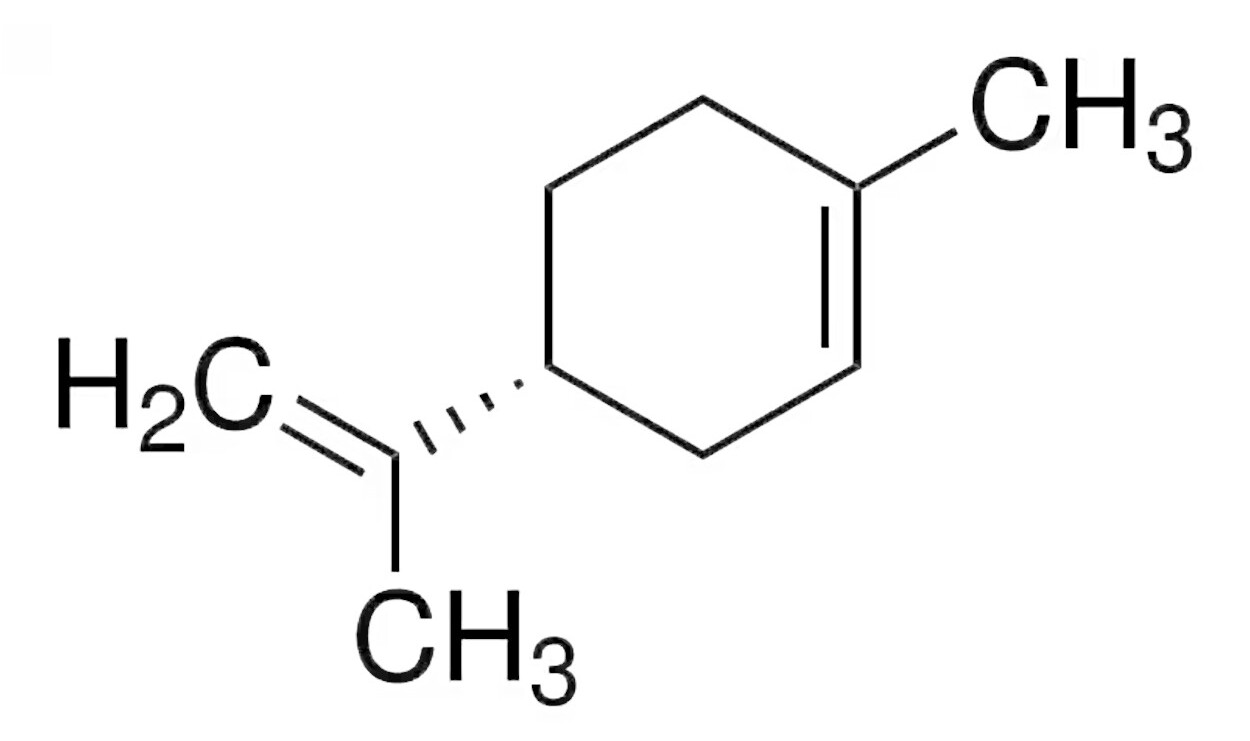
D-limonene (also known as (+)-limonene or (R)-limonene) is a natural molecule widely used in agriculture as a biopesticide, classified as a low-risk active ingredient by the EPA (U.S. Environmental Protection Agency).
Derived primarily from essential oils of citrus peels (such as orange, lemon, and grapefruit), it is considered a biochemical pesticide with insecticidal, acaricidal, contact herbicidal (burn-down), fungicidal, and repellent properties.
It is recognized as GRAS (Generally Recognized as Safe) by the FDA when used as a food additive or fragrance, which facilitates its application in agricultural and organic products.
Common name (ISO): Limonene (or d-limonene; accepted as an ISO common name for pesticide purposes, although it does not have a unique ISO name like newer synthetic pesticides)
Gross formula: C10H16
Number CAS: 5989-27-5
Chemical class: Monocyclic terpene (cyclic terpene hydrocarbon, belonging to the monoterpenes)
Development history: D-limonene is obtained as a byproduct of citrus juice production (steam distillation of peels and pulp). Historically used as a solvent, fragrance, and flavoring (GRAS approved by the FDA for decades). Starting in the 1950s and 1960s, it began to be explored as a natural insecticide. In 1983, an initial patent for pesticide compositions was granted (US4379168). In 1994, the EPA issued the RED, confirming low risk and exempting residue tolerances. Since then, its use has expanded as a contact herbicide, acaricide, and fungicide in biopesticide formulations, especially in organic agriculture and integrated pest management. Currently, it is in about 15-20 registered products in the US, many exempt from tolerances (40 CFR 180).
Mode of action:
- Insecticide / acaricide: Direct contact - dissolves the waxy cuticle of insects (similar to pyrethrin), causing dehydration and rapid death; affects the nervous system in some cases.
- Herbicide: Foliar contact - dissolves waxes and oils from the leaf cuticle, causing desiccation (burn-down); it is not systemic and does not affect roots.
- Fungicide / repellent: Antimicrobial properties and citrus scent repellency; inhibits fungal growth in some agricultural pathogens.
Cultivar Newsletter
Receive the latest agriculture news by email