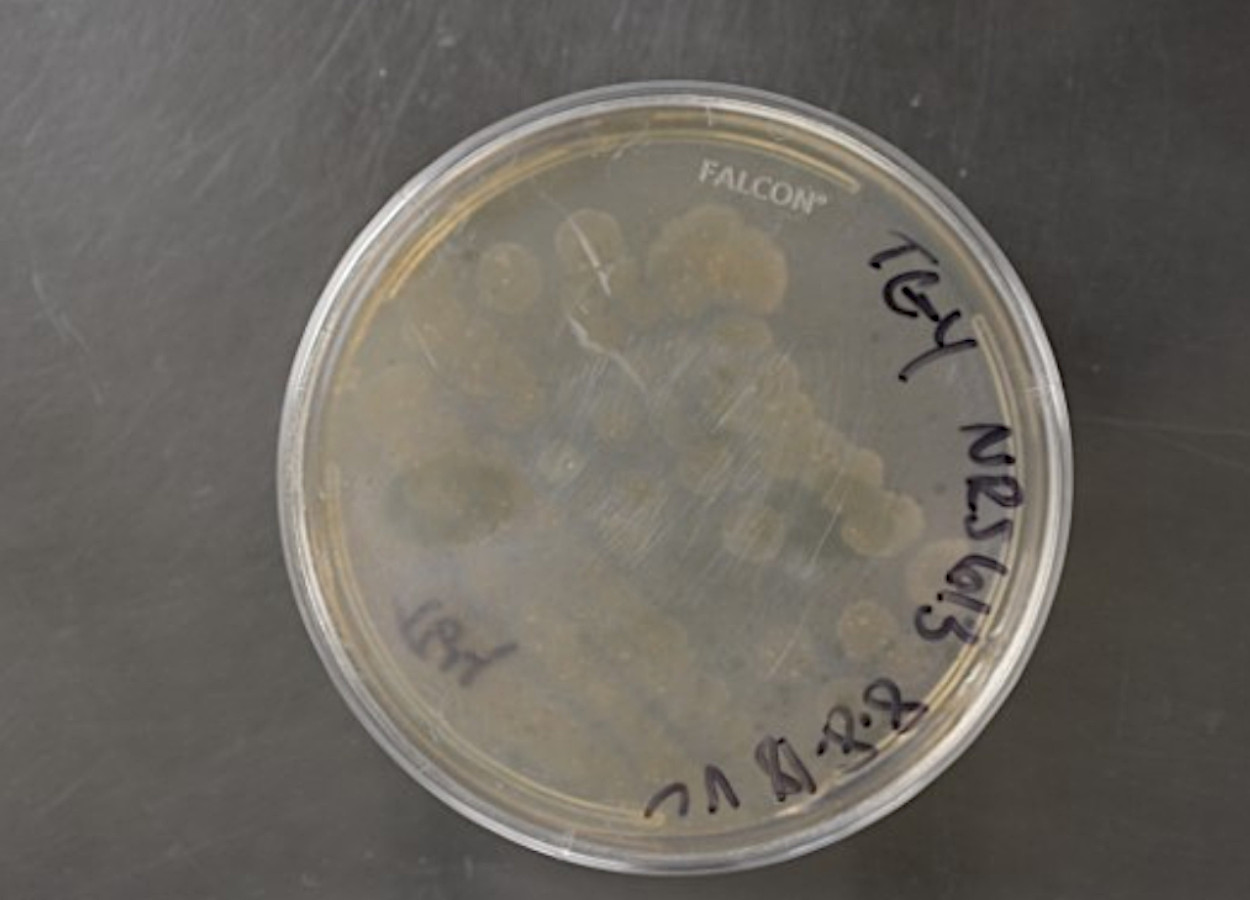
Bacillus firmus It is a beneficial soil bacterium with a prominent role in the biological control of plant-parasitic nematodes. Unlike a pest, it is a biocontrol agent. Its use reduces losses in crops such as tomatoes, soybeans, and vegetables. The following text addresses the requested topics based on scientific evidence.
The scientific name is Bacillus firmus Bredemann and Werner 1933. Recent phylogenomic analyses have proposed the transfer to the genus CytobacillusHowever, the name Bacillus firmus remains standard in agricultural literature and commercial products.
The bacterium does not have a consolidated common name. In technical publications, it is referred to as a nematicidal bacterium or by the strain name I-1582 in registered bionematicides.
The taxonomy includes the phylum Bacillota, the class Bacilli, the order Bacillales, and the family Bacillaceae. The species was described in 1933 from isolates in agricultural soil. The type strain is ATCC 14575. Studies in 2020 by Patel and Gupta reclassified it based on comparative genomics. The strain I-1582, isolated from soil in Israel, is the most studied for agricultural purposes.
The biology of Bacillus firmus It involves rod-shaped, Gram-positive, and aerobic cells. The bacterium forms resistant spores. These spores allow survival under adverse conditions of temperature, humidity, and radiation. Strains such as I-1582 produce secondary metabolites. The serine protease Sep1 stands out. This enzyme degrades intestinal proteins of nematodes. Some strains colonize the rhizosphere and induce systemic resistance in the host plant. The effect depends on the plant species. In tomato and cotton, induction occurs. In corn, the effect is less pronounced in some assays.
Bionomics involves multiplication in the vegetative phase under optimal conditions. The optimal growth temperature is around 30-35°C. The bacterium persists in the soil as a spore for extended periods. Nematicidal activity is concentrated in eggs and juveniles. Adults suffer less direct impact. Root colonization provides continuous protection for weeks after application. The I-1582 strain maintains viability across a wide range of soil temperatures.
Ecology positions the Bacillus firmus As a natural inhabitant of agricultural soils, it contributes to the soil's suppressiveness against parasitic nematodes. Its presence increases with practices such as crop rotation and the incorporation of organic matter. The bacterium interacts with the rhizosphere microbiota and the plant. Some strains promote plant growth through PGPR mechanisms. Environments with neutral to slightly alkaline pH favor its activity. Isolates also occur in wastewater or marine environments, but the agricultural focus is on cultivated soils.
The control exercised by Bacillus firmus It is based on multiple modes of action. Formulations of the I-1582 strain are registered in the European Union for use against Meloidogyne spp. in vegetables. Application occurs via seed treatment, drench, or fertigation. Studies in tomatoes show a reduction in galls, egg masses, and populations of Meloidogyne incognitaThe bacterium is compatible with chemical nematicides such as oxamyl and phosthiazate in integrated strategies. Advantages include safety for humans, animals, and the environment. It leaves no toxic residues. The risk of resistance in target nematodes is low due to diverse mechanisms: enzymatic action, toxins, competition, and induction of plant defenses. In Brazil, the use of bionematicides is gaining ground in sustainable production systems. They reduce dependence on synthetic chemical products restricted by environmental regulations.
Studies demonstrate consistent effectiveness under field and greenhouse conditions. The bacterium acts alone or in combination with other biological control agents. Its formulation as a wettable powder or seed treatment facilitates its use by the producer. Persistence in the soil varies with soil type, temperature, and humidity. In Brazilian tropical soils, activity is maintained at high temperatures typical of summer.
Integration into integrated pest management (IPM) is recommended. Monitoring nematode populations precedes application. Crop rotation with non-host crops complements the effect. Organic fertilization favors beneficial microbiota, including Bacillus firmusResults in soybeans show protection against Heterodera glycines in some trials. In bananas, the control of Radopholus similis This is reported in international literature.
Cultivar Newsletter
Receive the latest agriculture news by email