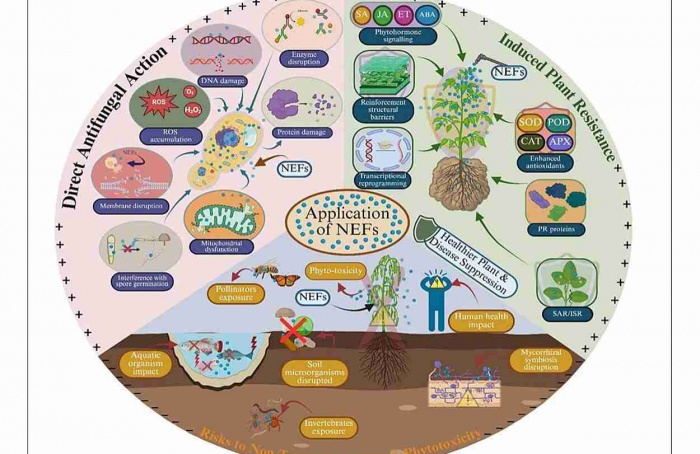
Research Nanofungicides combine pathogen control and plant defense Scientific review points to mechanisms of action against fungi, activation of plant immunity, and environmental risks of nanoparticles 28.10.2026 | 09:21 (UTC -3)
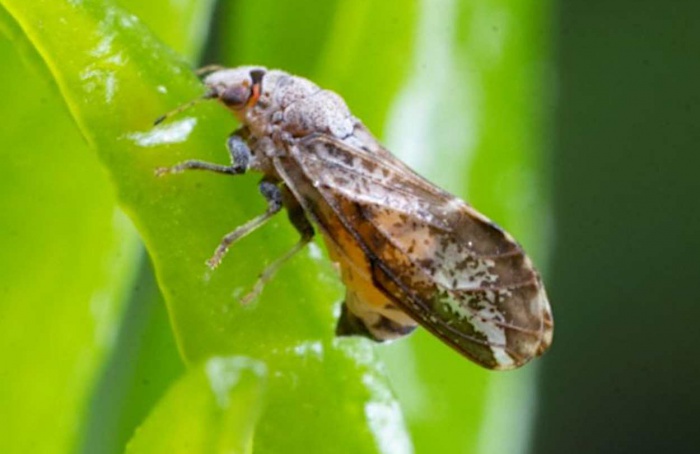
Research Modified virus reduces survival of the Asian citrus psyllid Research uses citrus tristeza virus to silence genes essential to the development of Diaphorina citri 28.10.2026 | 05:46 (UTC -3)
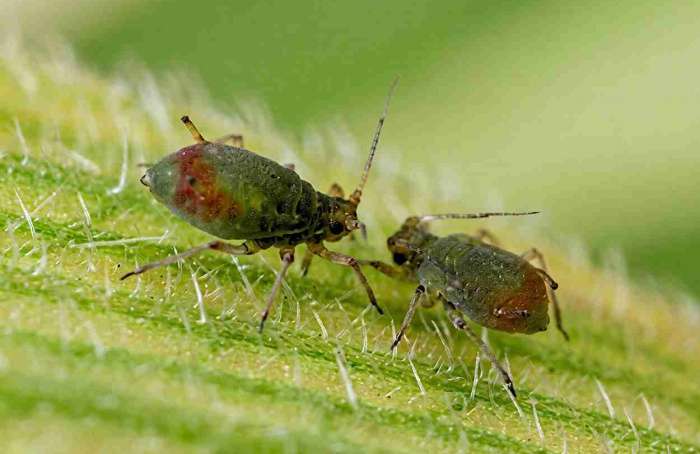
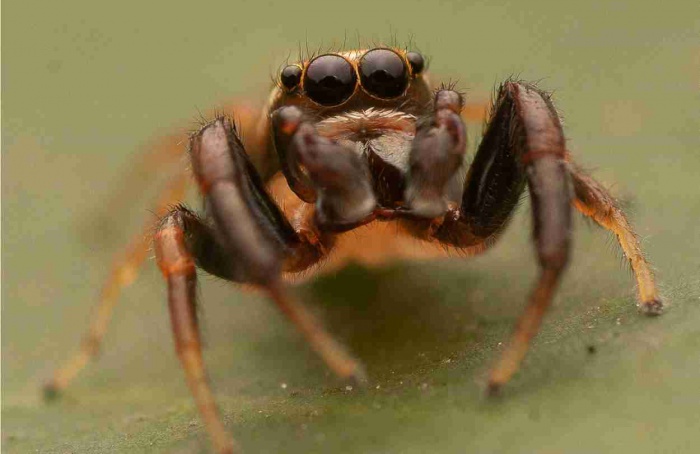
Research Spider trails reduce insect damage to plants Brazilian research identifies changes in the behavior and reproduction of aphids, as well as reduced leaf consumption by herbivores 27.10.2026 | 13:29 (UTC -3)
Research Nanoemulsion reduces greening bacteria in citrus seedlings Research by Unesp records a reduction of up to 2,46 logarithmic units in the population of Candidatus Liberibacter asiaticus 27.10.2026 | 07:05 (UTC -3)
Study reveals regional differences in the adoption of bio-inputs Research from UnB identifies differences in the use of inoculants, biofungicides, bioinsecticides, and bionematicides in eight soybean-producing regions 27.10.2026 | 06:36 (UTC -3)
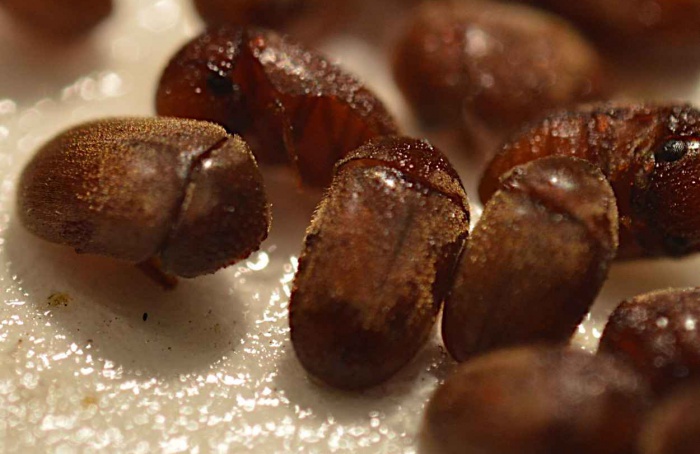
Research identifies molecular target for weevil control Gene silencing and microRNA action caused deformities and mortality in Lasioderma serricorne 25.10.2026 | 16:34 (UTC -3)
Environmental DNA allows monitoring of insect resistance to insecticides Research identifies mutations associated with pyrethroid resistance in plant samples, without the need to collect insects 24.10.2026 | 15:59 (UTC -3)
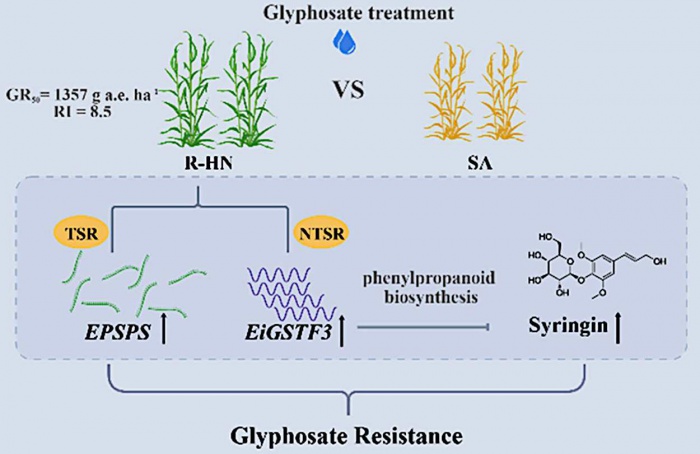
Resistance of goosegrass to glyphosate involves two mechanisms Study identifies EPSPS overexpression and the involvement of the EiGSTF3 gene in syringin accumulation 23.10.2026 | 13:23 (UTC -3)
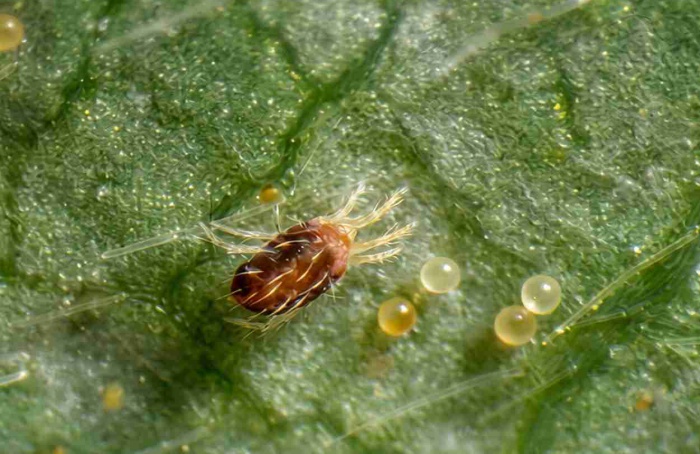
Two-spotted spider mite enters diapause in tropical regions of Brazil Esalq study identifies reproductive arrest and metabolic changes in populations from four states 23.10.2026 | 11:04 (UTC -3)
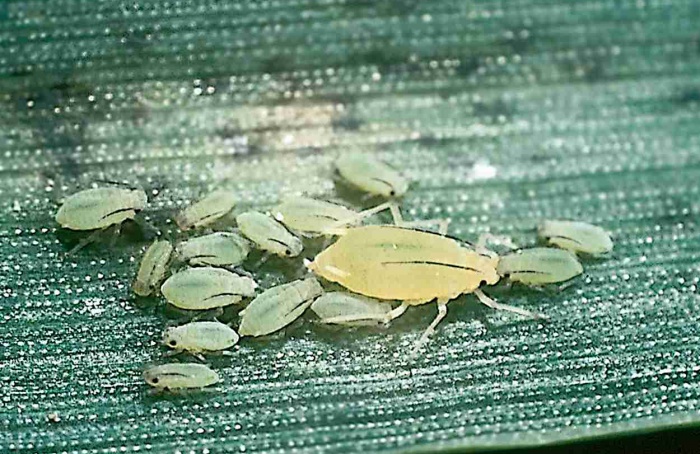
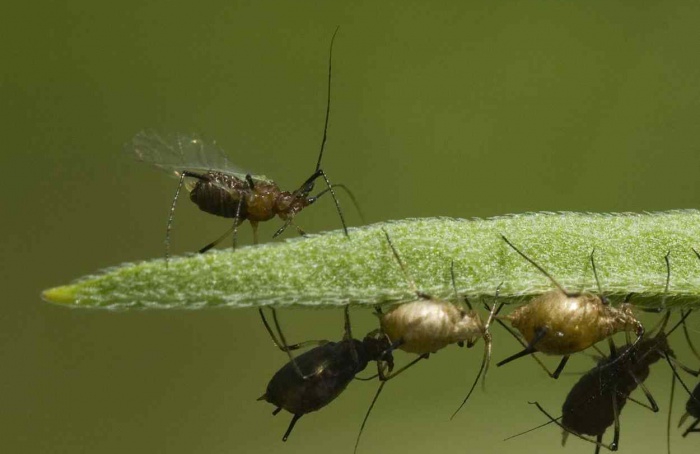
Parasitism in aphids decreases over four generations Study identifies reduction in parasitism rate of Schizaphis graminum after successive exposure to Aphidius platensis 23.10.2026 | 07:24 (UTC -3)
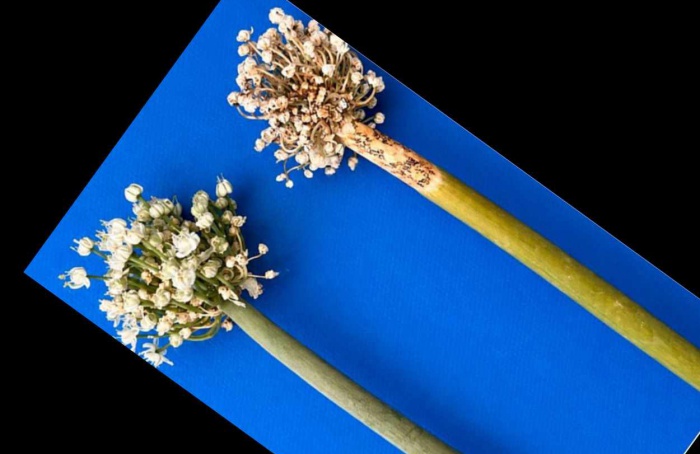
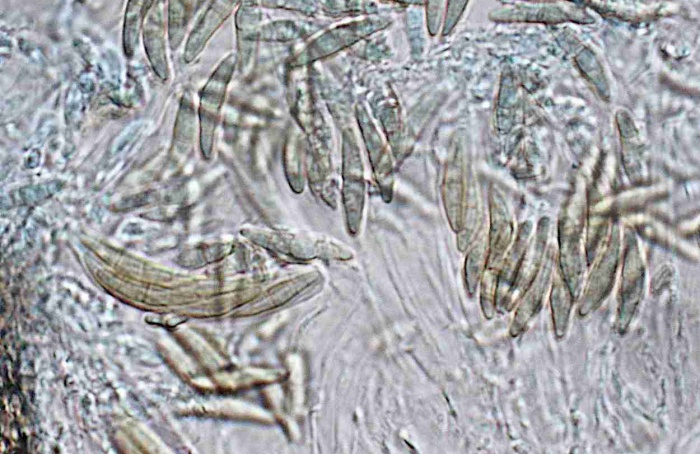
Fungus causes anthracnose in onion flower stalks Research identifies Colletotrichum theobromicola in Pernambuco and points to a possible risk to seed production 22.10.2026 | 09:03 (UTC -3)
The ZmSAMT gene increases corn's resistance to aphids Transgenic plants emitted more methyl salicylate, repelled Rhopalosiphum padi, and attracted predatory ladybugs 22.10.2026 | 07:42 (UTC -3)
Invasive plants alter the action of parasitoid against aphids Study identifies distinct effects of three exotic species on Aphis fabae and its natural enemy Aphidius colemani 21.10.2026 | 10:21 (UTC -3)
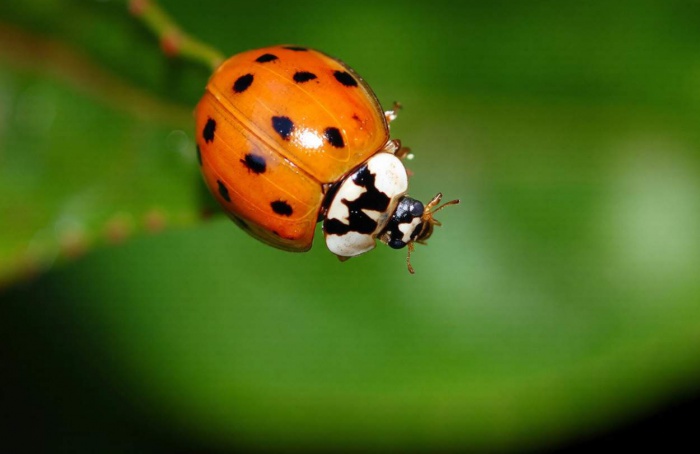
Ladybug compounds reduce aphid populations Synthetic mixture altered plant selection and reproduction of Myzus persicae in controlled tests 21.10.2026 | 06:25 (UTC -3)
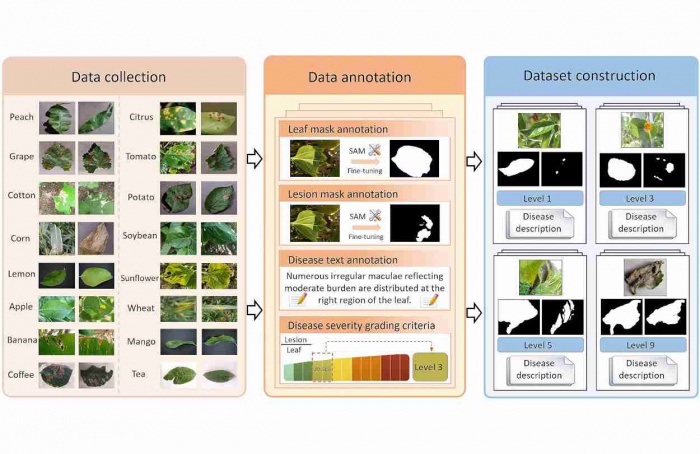
AI classifies the severity of foliar diseases with 97,2% accuracy The AgriMamba model combines images and symptom descriptions to quantify leaf lesions in 16 agricultural crops 20.10.2026 | 15:41 (UTC -3)
Nitrogen reduces wheat guttation and harms parasitoids High fertilization decreased survival and parasitism capacity of Aphidius gifuensis in a scientific study 20.10.2026 | 09:42 (UTC -3)
Corn promotes the action of parasitoid against fall armyworm Research indicates increased parasitism, fecundity, and growth of Habrobracon hebetor on caterpillars fed with corn 20.10.2026 | 08:05 (UTC -3)
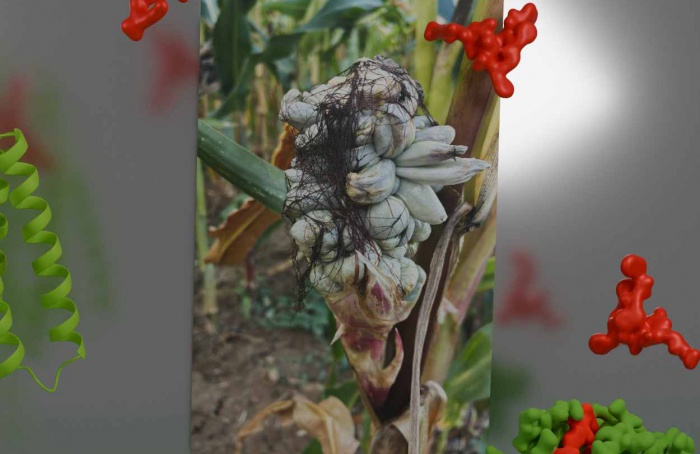
Fungus uses corn's defenses to activate infection Research identifies signaling mechanism that allows Ustilago maydis to recognize plant tissues and accelerate their multiplication 19.10.2026 | 14:52 (UTC -3)
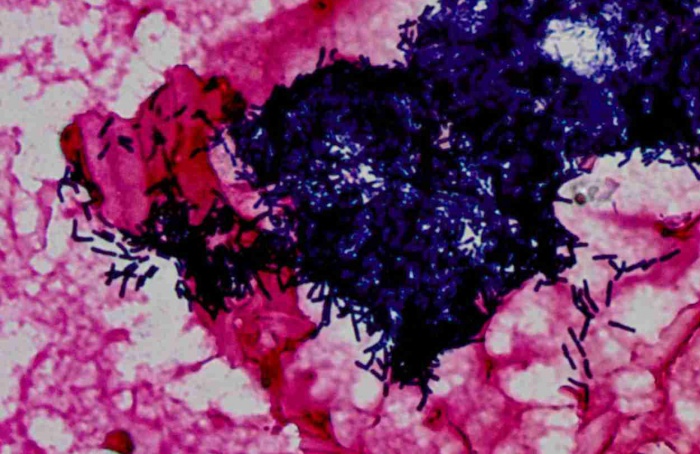
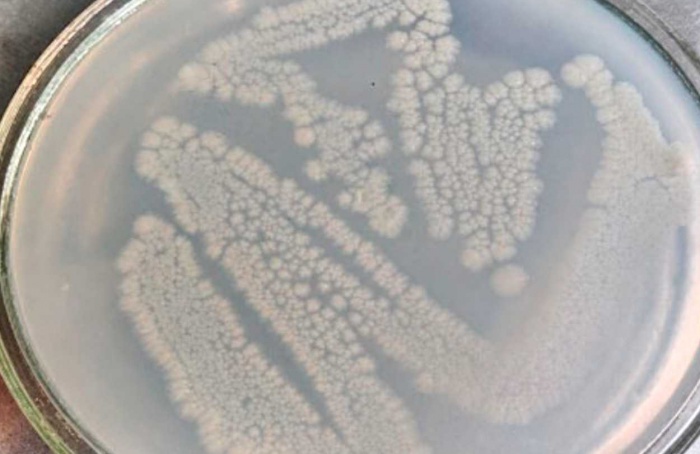
Streptomyces metabolite inhibits Rhizoctonia solani The F204 strain compound reduced fungal growth by 93,07% in a laboratory assay 19.10.2026 | 12:41 (UTC -3)
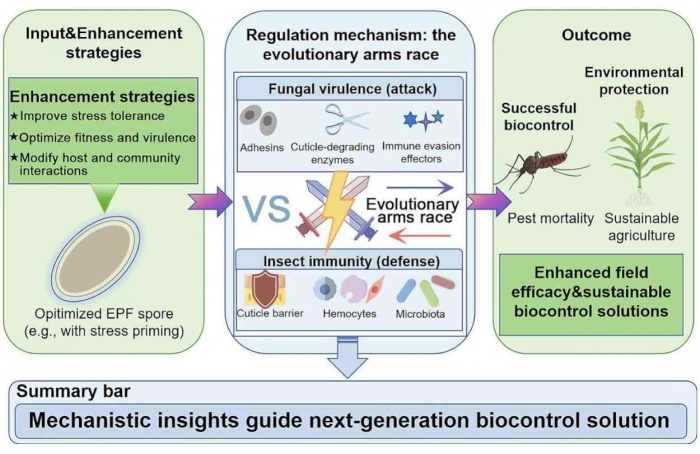
Study shows how to increase the effectiveness of entomopathogenic fungi Selection of strains, formulations, and infection mechanisms are key strategies for improving biocontrol 19.10.2026 | 05:54 (UTC -3)
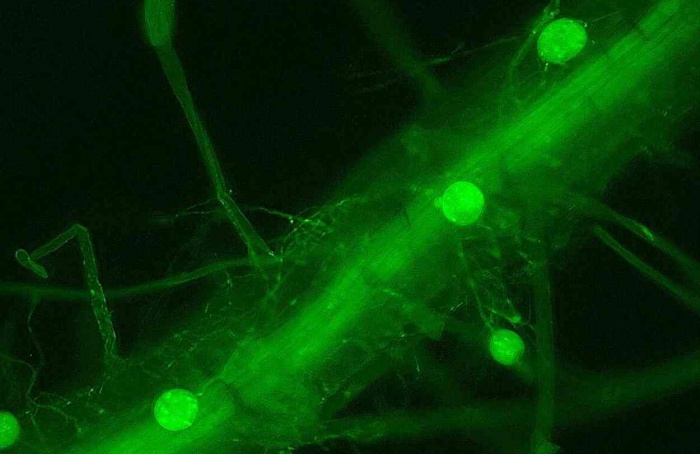
Symbiosis with fungi may benefit the cultivation of brassicas Research identifies nutrient exchange between fungus and Arabidopsis thaliana, with potential to improve the nutrition of agricultural crops 16.10.2026 | 16:01 (UTC -3)
Late infections of blackleg increase the risk of resistance Study shows how infections during canola flowering contribute to the reproduction of fungicide-resistant fungi 16.10.2026 | 06:49 (UTC -3)
Rhizobacteria favor caterpillars and attract parasitoids in corn Study reveals opposite effects of Azospirillum brasilense on the fall armyworm and its natural enemy 16.10.2026 | 05:10 (UTC -3)
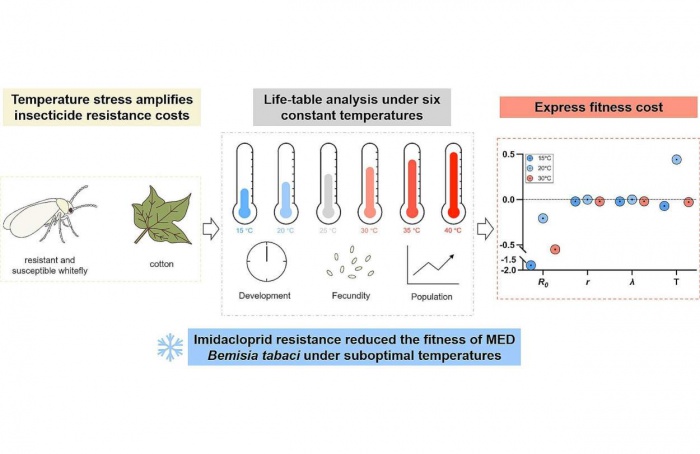
Cold weather increases the cost of imidacloprid resistance in whiteflies Research with Bemisia tabaci in cotton identifies delayed development and reduced reproduction at 15 degrees Celsius 15.10.2026 | 08:48 (UTC -3)
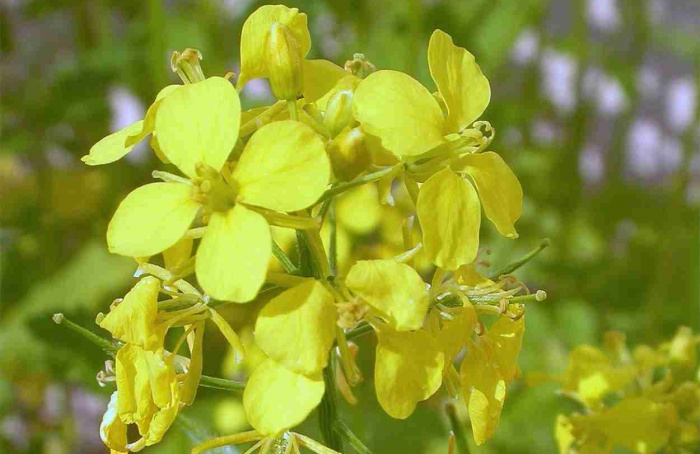
Mustard reduces the presence of Rhizoctonia solani in the soil Research with potatoes has identified a reduction of up to 13 times in the amount of pathogen DNA after biofumigation 15.10.2026 | 07:06 (UTC -3)
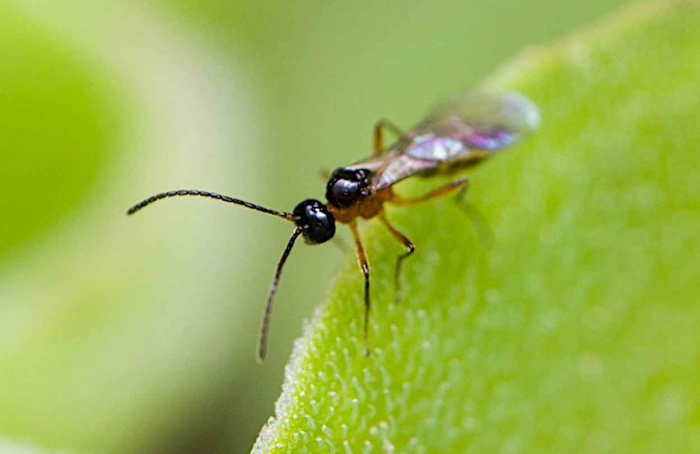
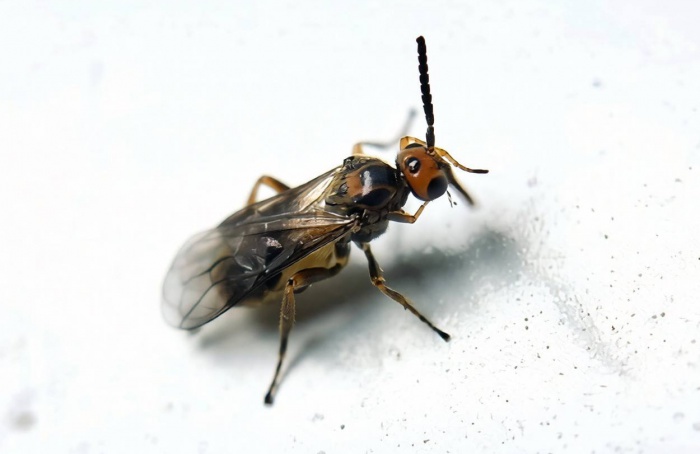
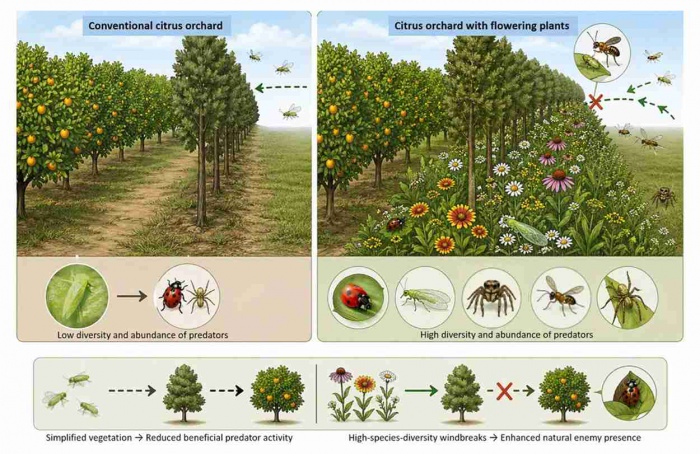
Wasps are associated with fewer psyllids in citrus orchards In a study of flowering windbreaks in central Florida, each additional wasp corresponded to 2,7% fewer psyllids; there is no proof of causality 14.10.2026 | 17:01 (UTC -3)
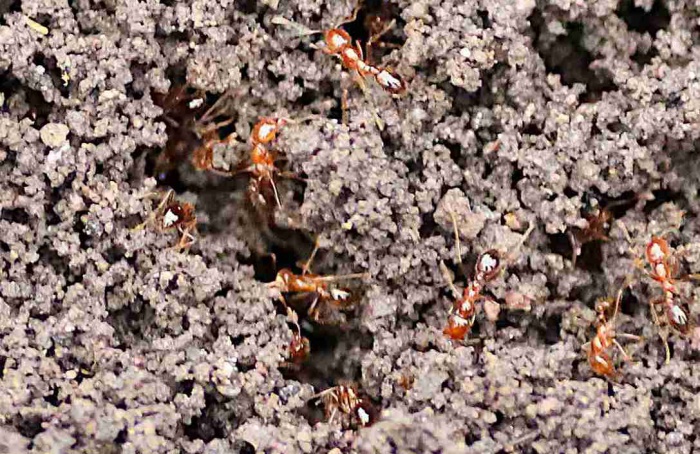
Hormonal baits alter the behavior of red ants Study with Solenopsis invicta identifies changes in offspring care, response to light, and locomotion 14.10.2026 | 08:58 (UTC -3)
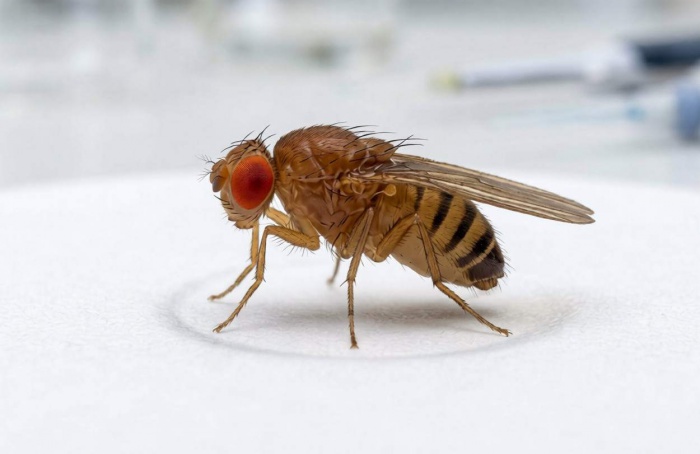
Method shows how fruit flies use memory to choose odors The system tracks the decisions of Drosophila melanogaster and identifies responses to rewards and electric shocks 14.10.2026 | 08:25 (UTC -3)