SP and DF sign protocol for partnership in fruit growing
Protocol of intentions is the formalization of the first stage of the partnership between the states
04.02.2025 | 17:12 (UTC -3)
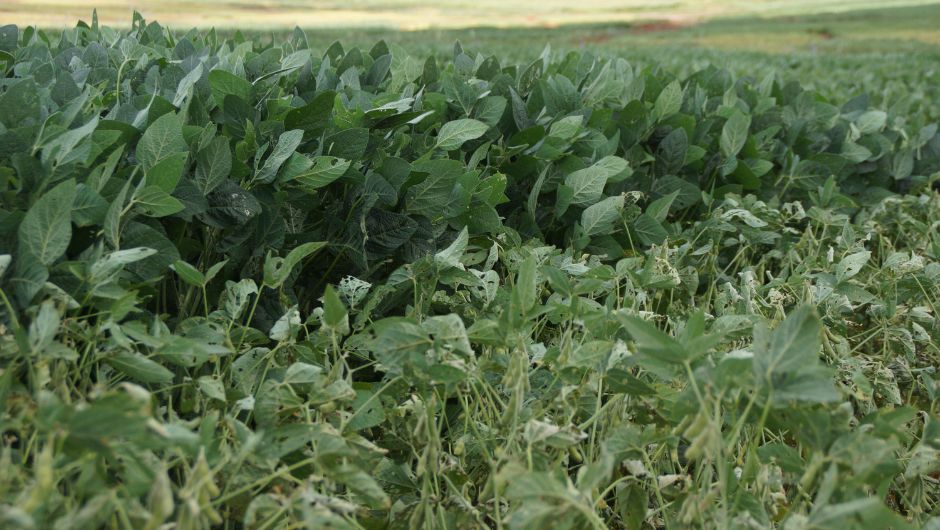
Brazil is the world's largest soybean producer and is expected to harvest more than 166 million tons of the grain in the 2024/25 harvest, according to estimates by the National Supply Company (Conab). However, recent harvests have seen productivity losses throughout the country due to droughts, uneven rainfall patterns and high temperatures, which are some of the effects caused by climate change. The Agricultural Zoning of Climate Risk (Zarc), a public policy tool, is considered by Brazilian science to be the main ally of producers in dealing with climate risks that interfere with the development of this commodity.
According to José Renato Farias, a researcher at Embrapa Soja (PR), Zarc is currently at a very advanced level and has a very consistent database. “This guarantees producers the security to reduce and mitigate the impacts resulting from adverse climate conditions,” he explains. In addition, it is a tool that is constantly evolving to meet the needs of the production sector. One of the most recent advances, with immediate potential to contribute to the adaptation of soybean plantations to climate risks, is Zarc Management Levels (Zarc NM).
A pilot proposal with this new “arm” of Zarc is currently being tested in soybean crops in Paraná, with very positive results, as the researcher explains. Zarc NM prioritizes soil management practices as fundamental at the time of planting, since they improve the storage, recharge and distribution of water in the soil, in addition to providing greater root depth, which increases the volume of water available to the plants. “This can be essential in times of rainfall deficiency,” highlights Farias.
The expectation is that, in addition to expanding Zarc NM to other Brazilian regions, the tool can also benefit other crops of socioeconomic importance, such as corn and wheat, for example.
Almost 95% of soybean production in Brazil is carried out in dryland areas, i.e., non-irrigated areas. Non-irrigated crops rely on water from rainfall and soil as sources of water for their development. Soil management practices can optimize water storage, increasing the volume of water available to plants.
Improved management has a direct impact on the physical, chemical and biological properties of the soil, organic matter content, water redistribution, root system growth and productivity. “In addition to reducing crop water risk, adopting better soil management levels results in other potential benefits, such as soil and water conservation and increased organic carbon in the soil,” adds Farias.
According to him, the indicators considered for assessing the level of soil management in production systems were defined based on research work and supported by technical and scientific publications, from an extensive and detailed bibliographic review. They are directly associated with the quality of management and soil fertility, for classifying crops into different levels of soil management (NM).
Indicators – Zarc NM
Contour seeding (contour lines)
Time WITHOUT Soil Preparation (years)
Percentage of soil cover in pre-sowing (straw) (%)
Base saturation (%) (0-20cm)
Ca content (20-40cm)
Aluminum Saturation (%) (20-40cm)
In addition to soil management, the researcher also highlights other practices that can help mitigate the effects of climate risks, such as: using drought-tolerant cultivars, using quality seeds, not sowing the entire area at the same time and using cultivars with different cycles.
Receive the latest agriculture news by email


Receive the latest agriculture news by email