Abapa highlights safety in the launch of Operation Harvest 2026/27
Initiative expands use of technology in monitoring properties and highways in western Bahia.
01.10.2026 | 16:54 (UTC -3)
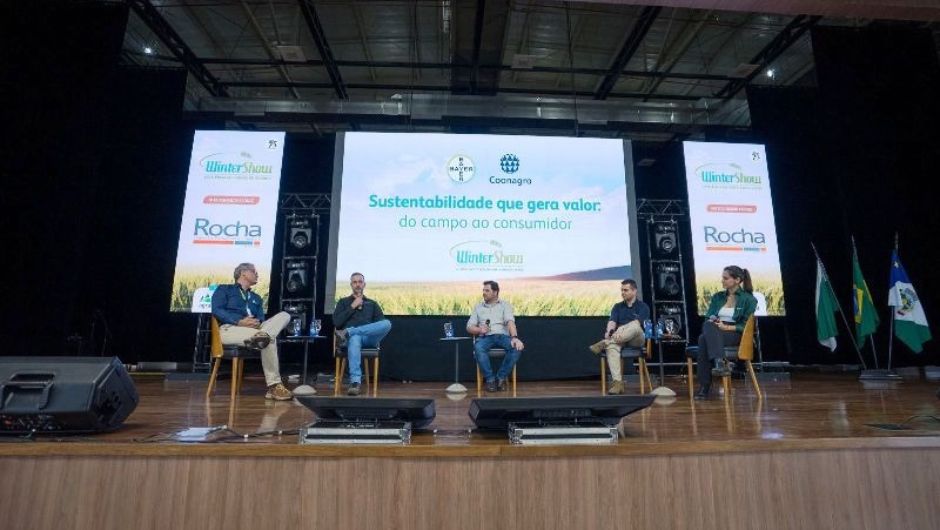
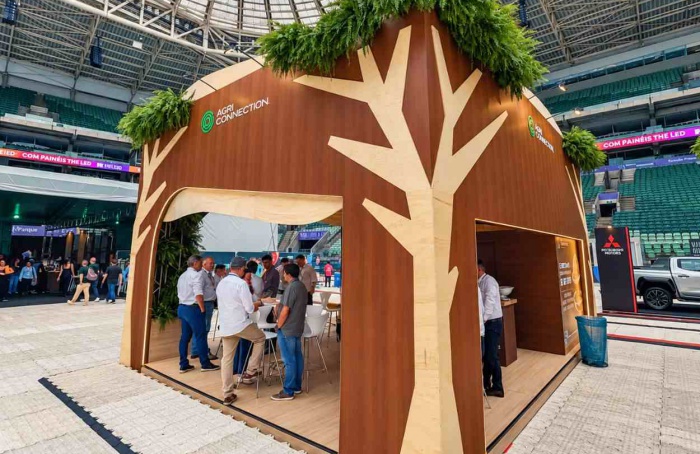
The WinterShow provided a platform to discuss the challenges of sustainability in the agribusiness production chain. This week, the event, organized by Agrária, hosted the panel "Sustainability that Generates Value, from the Field to the Consumer," with the participation of representatives from Bayer, Coonagro, Agrária, and rural producers.
Participants in the debate included Renata Ferreira, Head of Carbon Business Strategy for Latin America at Bayer; Diego Zardo, Commercial Manager at Coonagro; Rodrigo Lass, Strategy and Sustainability Manager at Agrária; and cooperative member Igor Josef Klein da Cunha. The discussion was moderated by André Spitzner, Agricultural and Social Superintendent of the cooperative.
Among the topics discussed were the mitigation of greenhouse gas emissions, monitoring of the production chain, the adoption of regenerative agriculture practices, and the economic viability of agricultural activities in light of the necessary investments in sustainability.
For Diego Zardo, one of the challenges lies in reconciling the adoption of new practices and technologies with maintaining productivity in the field. “Cooperativism in itself is a sustainable business model. As an input supplier linked to cooperatives, our challenge for the future is to continue offering rural producers solutions that guarantee them the same level of quality and productivity they have today,” he stated.
During the panel, Renata Ferreira presented the experience of the Bayer PRO Carbon program, an initiative focused on reducing carbon emissions in Brazilian and Latin American agribusiness. According to her, one of the challenges faced by the program since its launch six years ago was developing a measurement methodology that considered the differences between agricultural regions.
“In Brazil, we have regions with very different characteristics. We need to work on creating a carbon database to understand the practices of each region and their respective impacts,” he explained.
The need to generate data on the practices adopted on farms and their environmental effects was also highlighted as part of the process of evaluating the sustainability of agricultural production.
At Agrária, the Strategy and Sustainability area was created just over two years ago to centralize information on sustainability-related initiatives developed by the cooperative, both in the field and in the industry.
According to Rodrigo Lass, the management also works on communicating these actions to clients, cooperative members, and suppliers, and on the cooperative's participation in international forums, such as the SAI Platform, which focuses on disseminating sustainable agricultural practices.
"It's important to show the market the effectiveness of our work, as well as having access to global trends and understanding which ones can be adapted to our reality," he stated.
The producers' experience was also part of the discussion. Cooperative member Igor Josef Klein da Cunha highlighted the adoption of practices such as no-till farming and crop rotation among Agrária's associates since the 1970s.
According to him, these techniques contribute to soil conservation and structuring and are part of the management adopted on properties associated with the cooperative. "These are practices that add to our productivity rates by promoting soil structuring, bringing great long-term benefits," he stated.
The producer also presented the Agrarian Rural Management Program (PAGR), created 20 years ago by the cooperative. Participation is voluntary and guides cooperative members on topics related to environmental and labor legislation, regenerative agriculture practices, and administrative management of rural properties.
The panel was part of the WinterShow program, which also includes lectures and presentations by researchers from the Agrarian Foundation for Agricultural Research (Fapa) and discussions related to the technical and economic challenges of the agricultural sector.
Receive the latest agriculture news by email



Receive the latest agriculture news by email