Abapa highlights safety in the launch of Operation Harvest 2026/27
Initiative expands use of technology in monitoring properties and highways in western Bahia.
01.10.2026 | 16:54 (UTC -3)
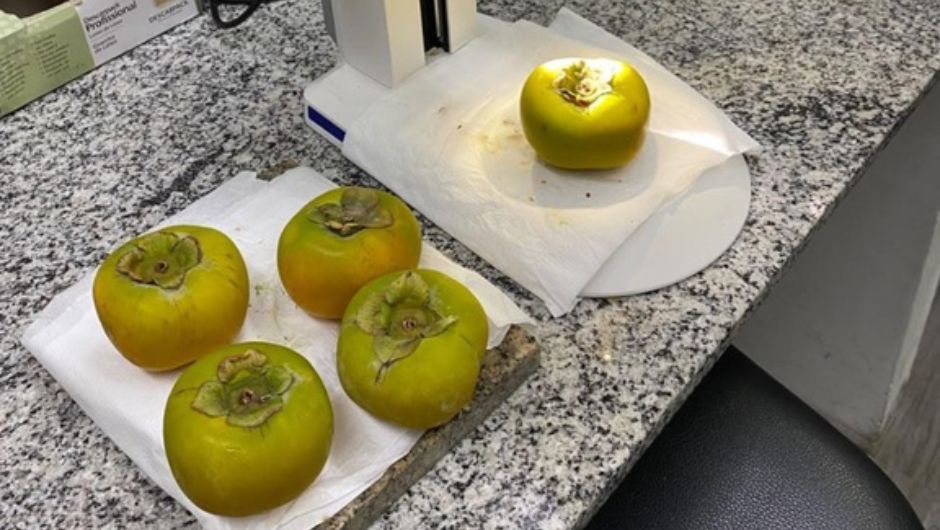
Officials from the International Agricultural Surveillance Agency (Vigiagro) intercepted the absent quarantine pest Liposcelis decolor in a shipment of 360 kilograms of fresh persimmons from Spain. The detection occurred at Guarulhos International Airport in São Paulo, after the shipment arrived in Brazil on September 19.
The initial identification was made during an inspection by officials from the Ministry of Agriculture (Mapa). The material was sent for analysis, and the presence of the species was subsequently confirmed by a laboratory accredited by the ministry.
Known as psocae, corodentia, or stored product psocid, Liposcelis decolor is primarily associated with cargo and materials used in its packaging and transport. The species can also be found in plant debris and fruit calyxes, as well as in environments such as warehouses and containers.
According to SDA/Mapa Ordinance No. 1.679/2026, L. decolor is classified as a quarantine pest absent from Brazil. The eventual introduction of the species could affect activities related to the storage of agricultural products, post-harvest handling, and the food industry.
Species of the genus Liposcelis exhibit tolerance to low humidity environments and may show resistance to certain insecticides, characteristics that make their control difficult in storage environments.
Following the interception, the Ministry of Agriculture, Livestock and Supply (MAPA) adopted the measures foreseen in the agricultural defense protocols for shipments with detected quarantine pests. As an emergency mitigation measure, the shipment was fumigated with methyl bromide.
Once the procedure is completed, the return or destruction of the fruit will be determined, according to the control measures applicable to the case.
Receive the latest agriculture news by email



Receive the latest agriculture news by email