Technology contributes to the preservation of pollinating agents associated with agribusiness
Farmers benefit from tools to map, preserve and use agents as allies in production
30.09.2022 | 13:32 (UTC -3)
Glauco Braga
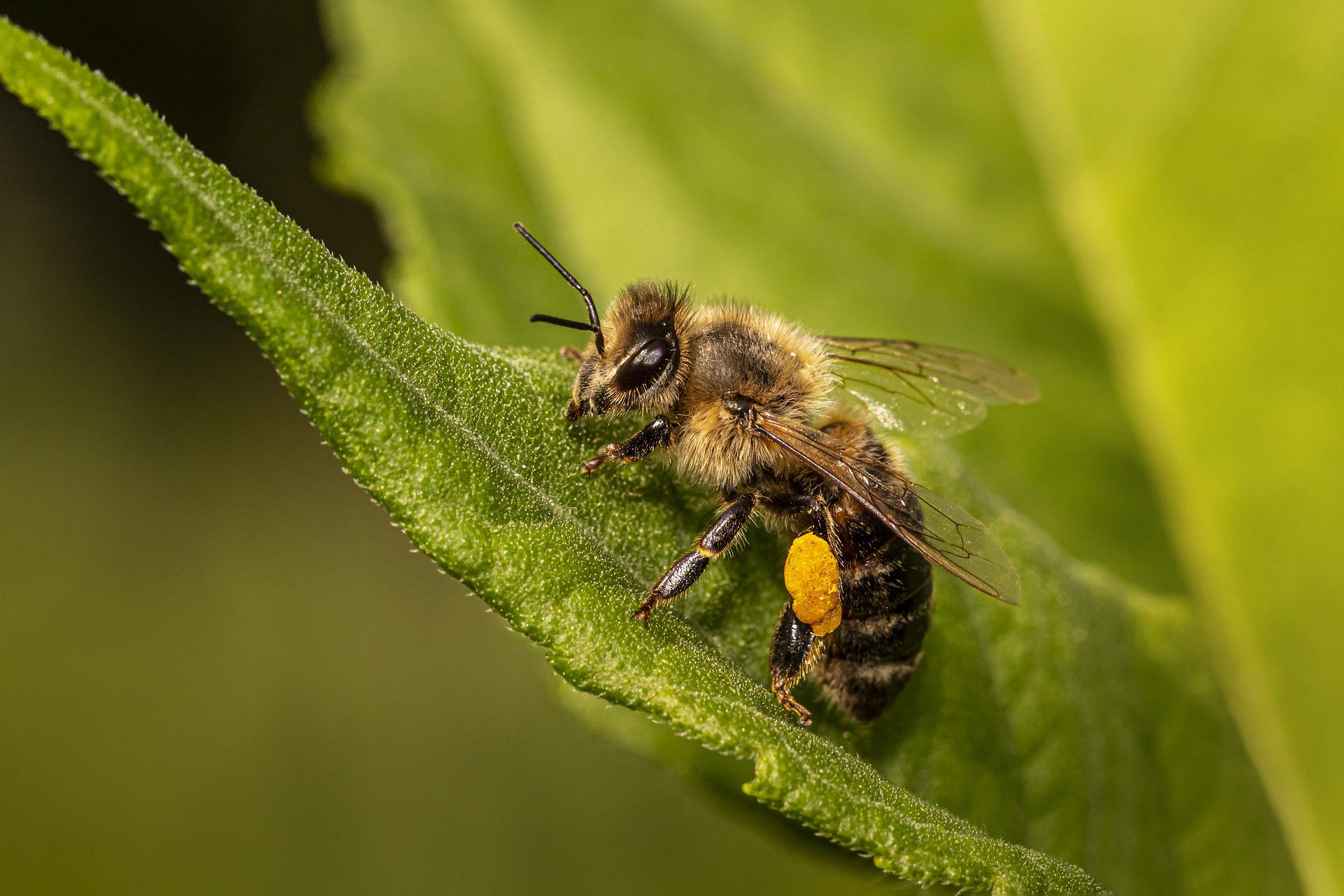
Farmers benefit from tools to map, preserve and use agents as allies in production. - Photo: Disclosure
In Brazil, there are around 3 thousand species of bees, of which 1,5 thousand are so-called solitary, that is, they do not live in colonies. These species are extremely important for the environment. According to data from the Ministry of the Environment, each bee visits around six thousand flowers per day, a determining factor in the pollination of thousands of plants, including food plants. In addition to helping in the dissemination of plants, they guarantee genetic variation that is important for the development of species and produce honey. Bee Day is celebrated on October 3rd.
Of the 191 agricultural crops used for food production in the country, of which the pollination process is known, 114 (60%) are visited by pollinators. And for 76% (69) of agricultural crops, the action of pollinators increases the quantity and/or quality of production. In this group, bees represent 66% of species in Brazil. The country is home to a great wealth of beings that provide pollination. The list of visitors to agricultural crops exceeds 600 names, of which around 250 have pollinator potential – and it is estimated that this number is higher.
The last major study on the specific activity of pollinating agents – bees, beetles, butterflies, moths, birds, wasps, flies, bats and bedbugs, among others, was carried out by the Brazilian Biodiversity and Ecosystem Services Platform (BPBES) and the Brazilian Network of Plant-Pollinator Interactions (Rebipp), in 2018, pointed out the economic value of the ecosystem service of pollination for food production in Brazil, that is, how much producers stopped spending due to the service provided by pollinators, was estimated at the time at R$43 billion.
Preservation of agents
Strategies for mitigating the negative impact on pollinators involve knowledge of the areas to be treated, care in following pesticide labels and leaflets, compliance with the requirements of regulatory instructions and good agricultural practices and direct communication with potential bee breeders and other pollinators.
“To preserve biotic pollinating agents (bees, bats, butterflies, moths, etc.) we must reconcile agricultural production practices with the preservation of natural habitats or create environments that can be used as habitats by these individuals. There is housing (habitats) and food For pollinators, the chances are huge that we will have a balance between agricultural production and environmental preservation”, explains Leonardo Luvezuti, business head at Perfect Flight. Perfect Flight, the first and most complete aerial spraying management and traceability platform in the world.
It is essential for farmers and beekeepers to carry out efficient management, both to increase production in the field and to protect biodiversity. To be able to monitor all activities in the field, AgTechs are great allies, since, in many cases, only technology can scale the work of men on rural properties.
Technology in favor of pollinators
The use of technological tools and accurate information is also an ally in the pollinator safety phase. Today, for example, through Perfect Flight's aerial spraying management and monitoring platform, it is possible to improve assertiveness for producers, preventing pesticides from reaching unwanted spaces such as pollinator habitats. The systems are supplied with a database and offer the possibility of defining routes and establishing flight plans to prevent environmental damage.
"The platform points out in detail and clearly the restricted areas close to the producer's area where the application will be made, making it easier for the pilot to plan his route and make his flight. After the flight, the platform generates sustainable reports that allow areas restrictions are preserved as homes or cities, farms in the countryside, neighboring crops, bee hives or silkworm farms, rivers, lakes or mines”, points out Luvezuti.
Agtech also has a free registration system for owners of beehives and other farms to anonymously register the geographic areas that must be protected from aerial spraying.
In addition to the startup's own system contributing to the preservation of pollinators, Perfect Flight also previously developed, in partnership with Bayer, a “bee hotel” project. The program consisted of creating establishments, types of hotels to house bees, based on rural properties, promoting the cultivation and survival of insects. The practice is already common in the USA and Europe, with the creation of exclusive spaces so that different native species can build their hives, favoring permanence and reproduction.
“There are countless ways to preserve it, but the management and monitoring of aerial spraying, for example, reduces the improper application of agricultural pesticides, which consequently preserves pollinating agents that inhabit the production area. The preservation of riparian forests around crops favors the permanence of these organisms in the area. Or even the creation of new habitats, such as hotels, can guarantee this preservation”, concludes Luvezuti.