Techniques quickly identify transgenic corn
Researchers use spectrometry and machine learning to accurately distinguish grains
17.03.2025 | 18:00 (UTC -3)

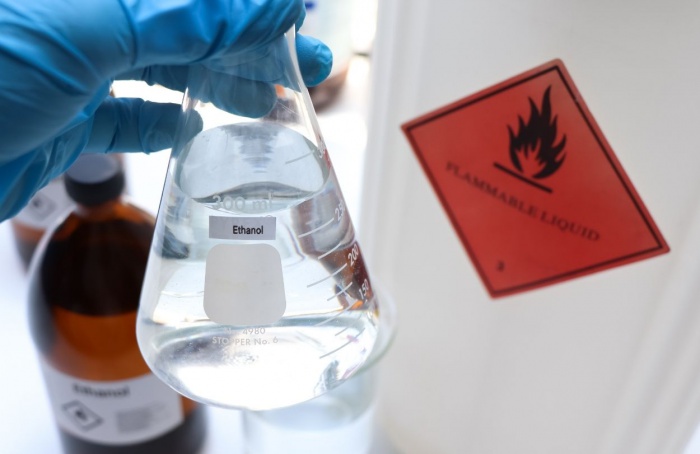
The Ministry of Mines and Energy (MME) announced the results of tests on the technical feasibility of increasing the ethanol blend in gasoline from the current 27% to 30%. Conducted by the Mauá Institute of Technology (IMT), the study shows that, in addition to being feasible, the measure will reduce greenhouse gas emissions by at least 1,7 million tons per year.
Several entities from the automotive, sugar and bioenergy sectors, CEOs of ethanol plants, members of parliament and experts in automotive technology participated in the event. The analyses confirmed the technical viability of the new blend, while the Minister of Mines and Energy, Alexandre Silveira, stated that the measure should reduce the price of fuel at the pump and consolidate Brazil's independence from gasoline imports.
According to the MME, the transition from the current E27 to E30 could prevent millions of liters of gasoline from being imported every year, accelerating the national production of biofuels and increasing the demand for ethanol by 1,5 billion liters. During the announcement, Silveira also highlighted the positive impacts of the measure.
“We are taking another step towards transforming the fuel of the future into the fuel of the present. E30 not only reduces costs for the consumer, but also strengthens Brazil’s economy and energy security,” said the minister, referring to the Fuel of the Future program, which foresees an increase in the blend once its technical viability is confirmed, among other measures that drive the energy transition. Silveira also highlighted that the new blend should generate 25 jobs and attract R$9 billion in investments for the sector.
The president of the Sugarcane and Bioenergy Industry Union (Unica), Evandro Gussi, said that the initiative strengthens national energy security and drives decarbonization. “This is evidence that leaves no doubt about our estimates: ethanol is good for cars, it is good for people and it is good for the environment. We are talking about an important Brazilian asset, increasingly recognized by the world,” he said. He also highlighted the commitment of the Ministry of Mines and Energy and the National Congress to advances in the legal framework for recognizing the important role of biofuels in the transition to low carbon.
According to Gussi, the advancement of E30 reinforces Brazil’s position at the forefront of the global energy transition. “Japan has already announced that it will reach a 20% ethanol blend in gasoline. India is already at 15% and is moving towards 20%, as are Indonesia, Malaysia, Thailand and South Africa. More and more countries are waking up to the value of this great asset – and Brazil is once again leading this movement,” highlighted Gussi.
The analyses evaluated the drivability, performance and emissions of 16 light vehicles and 13 motorcycles, comparing the standard 27% ethanol blend with the 30% blend (E30). The results indicated that there is no relevant impact on engine performance and that the use of E30 is technically feasible.
The next step will be to take the proposal to the National Energy Policy Council (CNPE). “Brazil has a committed and prepared technical team with a long-term vision. The sugar-energy sector is ready for this transition and to continue generating environmental, social and economic benefits for the country,” concluded Gussi.
Receive the latest agriculture news by email


Receive the latest agriculture news by email