Steinernema feltiae shows efficacy in biological control of the two-spotted spider mite
Study shows that Steinernema feltiae can kill up to 83% of Tetranychus urticae individuals
08.10.2025 | 17:29 (UTC -3)
With the start of the 2025/26 harvest, the effects of the new Harvest Plan are already being felt in the countryside. Although billed as the largest in history, the program reduced rural credit subsidies and raised interest rates, which, according to the Mato Grosso Soybean and Corn Producers Association (Aprosoja MT), has made it difficult for producers to access financing on viable terms.
According to the entity's administrative director, Diego Bertuol, the record volume of resources released by the Federal Government has not been converted into effective credit for producers. "These resources have not been reaching rural producers. We are already at the beginning of the planting season, and many have been unable to conduct their banking transactions, not even to cover costs. The storage situation is similar. We need credit lines with lower interest rates and a grace period that makes investment viable, but this is not happening," he stated.
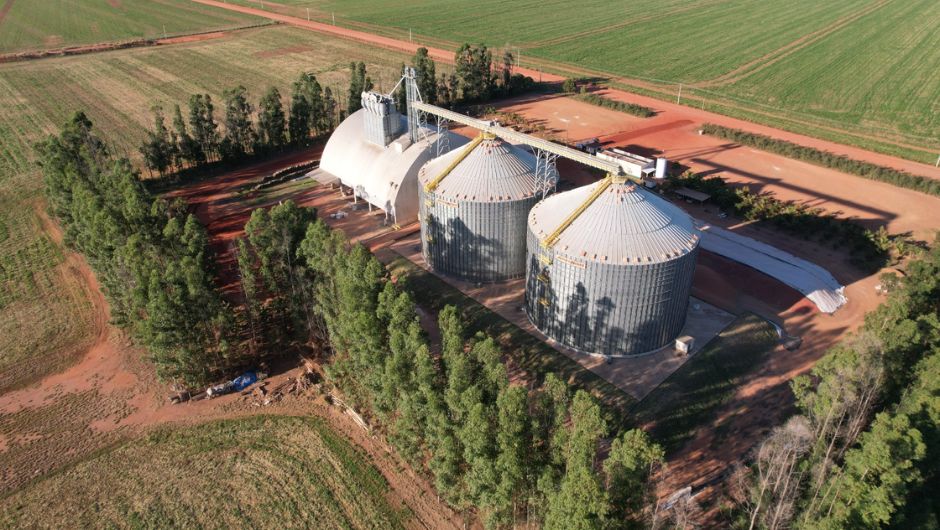
The result, he says, is that more than 50% of Mato Grosso's harvest lacks adequate storage space. The problem is exacerbated by the expansion of production. The state is estimated to harvest more than 47 million tons of soybeans this season, while total static capacity is 53,4 million tons, a volume that also needs to meet corn production, which exceeded 54 million tons last season. Data from the Mato Grosso Institute of Agricultural Economics (IMEA) indicate a storage deficit of over 52 million tons.
For Luiz Pedro Bier, vice president of Aprosoja MT, the state is most impacted by the lack of infrastructure. "We have less storage capacity than the minimum required, and Mato Grosso is the worst state in this regard when comparing production and available infrastructure. Construction is expensive, financing is bureaucratic and time-consuming, and at the current interest rate, it's unviable. Small and medium-sized producers are the most affected," he emphasized.
Credit crunches have led many producers to resort to makeshift solutions, such as bag silos, in addition to facing truck shortages and high freight costs during the harvest season. Although the Harvest Plan includes the Warehouse Construction and Expansion Program (PCA), the organization states that resources have not reached the frontline, compromising the progress of construction and increasing the risk of logistical bottlenecks in the next harvest.
"This isn't just a problem for rural producers, but a matter of national food security. Any unforeseen port disruptions or geopolitical crises could leave Brazil at a loss, unable to ship its harvest. Without storage space, we could lose up to half of Mato Grosso's production, a billion-dollar loss with repercussions for the entire economy," warned Bier.
Lucas Costa Beber, president of Aprosoja MT, emphasizes that the situation is nationwide and has worsened with high interest rates and reduced investment resources. "Brazil produced 350 million tons of grain this year, but the storage deficit exceeds 120 million tons. Every year, production grows faster than warehouse construction. With high interest rates and fewer resources, the scenario becomes even more challenging," he emphasized.
He advocates for public policies that encourage the construction of private warehouses and tax benefits for producers. "The government needs to approach this issue with a strategic vision. Encouraging those who invest in their own storage ensures the country's food sovereignty and security. Without infrastructure, we are vulnerable to crises and severe economic losses," he added.
Receive the latest agriculture news by email



Receive the latest agriculture news by email