






Consortium with the Netherlands could boost bioinputs in Brazil
On the 10th, Embrapa Meio Ambiente will hold a symposium in Jaguariúna (SP) to discuss cooperation between countries.
07.10.2025 | 17:51 (UTC -3)
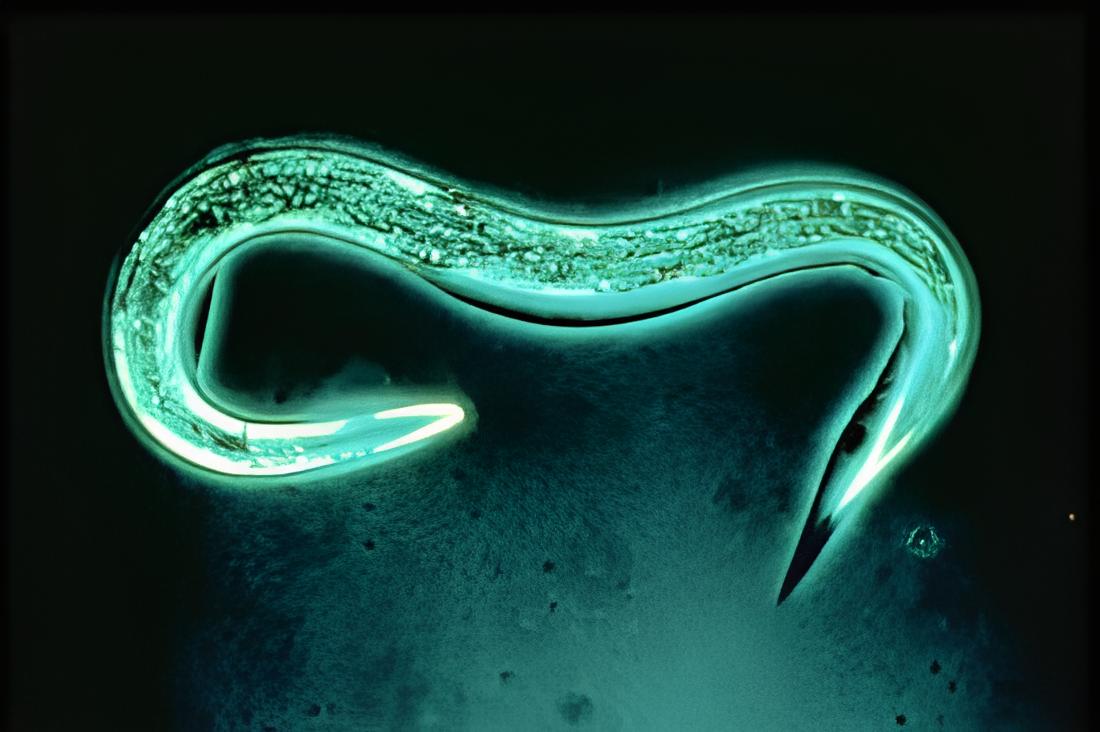
Isolated from Steinernema feltiae (ZWO21) caused an average mortality of 57% in two-spotted spider mites (Tetranychus urticae Koch) tested under laboratory conditions. The results indicate potential for including this strategy in integrated pest management programs. The research was conducted at the Warsaw University of Life Sciences in Poland.
T. urticae It has a worldwide distribution and affects more than 1200 plant species, including vegetables, fruit trees, and extensive crops. The mite causes damage by sucking the cellular contents of leaves, causing chlorotic spots, deformations, and leaf drop.
Entomopathogenic nematodes of the genus Steinernema infect and kill insects through symbiotic bacteria of the genus Xenorhabdus. These microorganisms are released into the host after nematode penetration, causing rapid death. Their use against mites is less common than against insects.
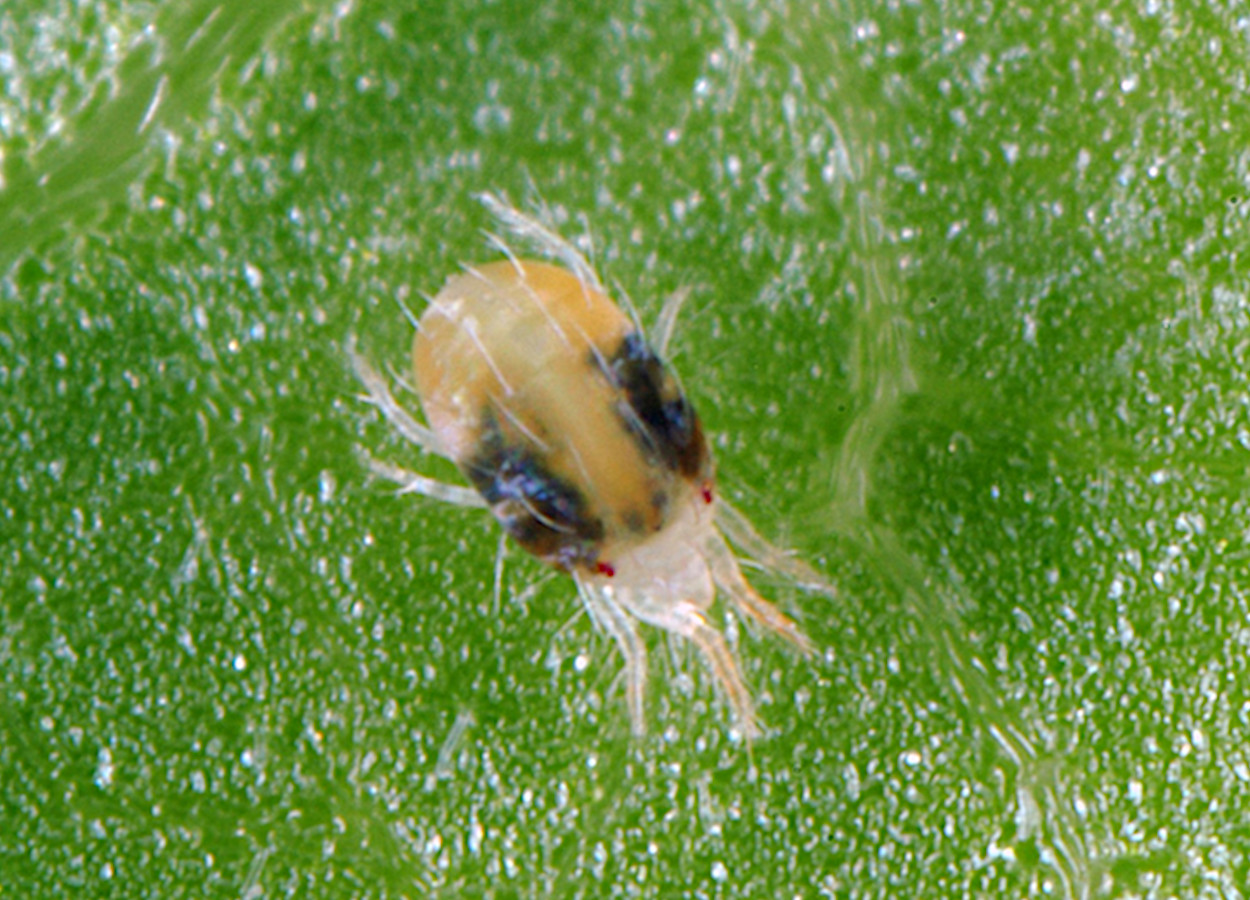
The study tested the native isolate S. feltiae ZWO21, obtained in 2011 in the Kozienicka Forest. The tests used beet leaves infested with adult mites and treated with 8000 infective juveniles per Petri dish. After 72 hours, mortality ranged from 37,5% to 83,3%, with an average of 57%.
In the control group, without nematode application, mortality rates ranged from 8,6% to 13,3%. The difference between the groups was statistically significant.
Stereoscopic microscopy confirmed the presence of juvenile nematodes within the dead mites. This confirms the isolate's ability to penetrate. S. feltiae in the bodies of arachnids, even without being natural hosts.
The main challenge observed was the difficulty of juveniles entering through the mites' cuticle, which can limit their effectiveness in the field. Even so, the results surpass those of previous studies, which achieved a maximum mortality rate of 27% with other nematode species, such as Heterorhabditis bacteriophora e Steinernema carpocapsae.
The efficacy of the ZWO21 isolate, even if moderate, suggests practical applications. Integration with acaricides can increase control efficiency and reduce chemical use. Another possibility under study is the direct use of symbiotic bacteria through cell-free extracts (cell-free supernatants), which have shown promising results in recent research.
These extracts avoid limitations such as sensitivity to desiccation, low mobility, and difficulty in penetration. In the case of isolate ZWO21, which has already demonstrated excellent performance, the use of bacterial supernatant may offer an even more effective solution.
Although it still requires validation under field conditions, the technology fits into global efforts for production systems that are less dependent on chemical pesticides.
Further information at doi.org/10.3390/agriculture15192096
Receive the latest agriculture news by email



Receive the latest agriculture news by email