




Rural credit exceeds R$290 billion in ten months
From January to April, R$78,9 billion in rural credit was released, which represents 9% more than that applied in the same period last year
09.05.2023 | 16:36 (UTC -3)
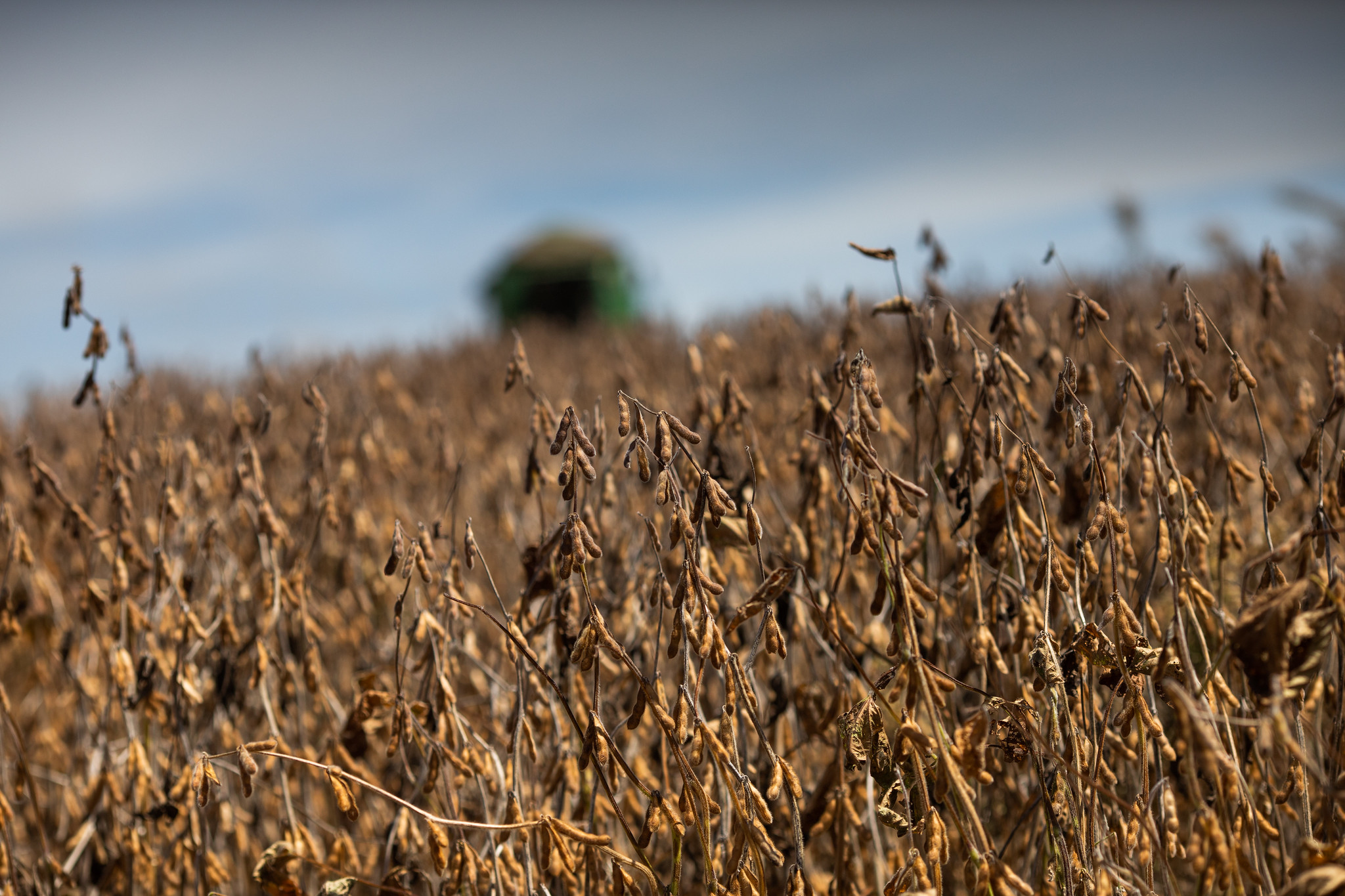
The GDP of the soybean and biodiesel production chain was R$673,7 billion in 2022, representing around 27% of the entire national agribusiness GDP. 12 years ago, this share was just 9%. From 2010 to 2022, the chain's GDP expanded by 58%; in the same period, agribusiness grew 8% and the economy, 12%. This indicates a consistent increase in the availability of products to the final consumer through soy and biodiesel.
The data are part of the most recent study prepared by Cepea (Center for Advanced Studies in Applied Economics), Esalq/USP, in partnership with Abiove (Brazilian Association of Vegetable Oil Industries, aimed at generating continuous information on GDP, employment and trade balance for the soybean and biodiesel chain.
The methodological criterion adopted is that of Cepea, in which the production chain is structured by segments that involve agriculture itself, inputs, processing (agribusiness) and agro-services performed, including trade, transport and other services necessary for the movement of products. to serve both the final consumer in Brazil and for export.
In 2022, the soy and biodiesel chain generated 2,05 million jobs, 80% more than in 2012 (beginning of the series). As a result, its participation as a generator of jobs in agribusiness grew from 5,8% to 10,8%. It is worth highlighting that the majority of the employed population (PO) in the chain is in agriservices, with 1,35 million jobs (+70,5% compared to 2012).
In relation to the average income from work, the value was R$2.912/month (29% above the R$2.257 in agribusiness). In soybean production, it reached R$3.417 (115% above that received in agriculture, R$1.591). In agro-industries, remuneration was R$2.359, with higher values recorded in crushing and refining (R$2.818) and biodiesel (R$3.192). In the same year, the average gain of the Brazilian agricultural agroindustry was R$2.277.
The trend over the last decade for the soybean complex is growth in foreign sales. Although there were fluctuations, revenue reached a new record in 2022 (US$61,3 billion), representing 38% of agribusiness exports.
Shipments are mainly destined for China, which has absorbed, since 2013, more than half of the exported value (52,61% in 2022). However, since 2019, the country has reduced its participation, due to increasing imports from Southeast Asia, Africa and the Middle East. Other groups of countries that stood out as destinations in 2022 were the European Union (14,51%); Southeast Asia (10,09%); Middle East (7,49%); East Asia (3,58%); Africa (1,76%) and North America (0,75%). The rest participated with 9,21%.
Despite the great emphasis on exports and trade balance, a significant volume remains in the domestic market. In 2022, the export/production ratio was: 61% for soybeans; 53% for soybean meal; and 26% for soybean oil.
Receive the latest agriculture news by email


Receive the latest agriculture news by email
From January to April, R$78,9 billion in rural credit was released, which represents 9% more than that applied in the same period last year

Institutions created the PIPE Start program, aimed at supporting entrepreneurs in the initial stage of validating new technological solutions and business models; first call was published on Agrishow