




Mosaic reports a loss of US$72 million in the third quarter
The result contrasts with a profit of US$411 million in 2025; Brazilian operations register a drop in sales
03.11.2026 | 19:01 (UTC -3)

The Wheat Industry Union of the State of São Paulo (Sindustrigo) celebrates its 85th anniversary this Wednesday (November 4th), in a scenario of challenges for the supply of raw materials, wheat quality, and the competitiveness of the milling industry. Founded in 1941, the entity represents the interests of São Paulo's mills, responsible for approximately 95% of the state's wheat flour production, and acts as an intermediary with public authorities and the different links in the production chain. For 2027, issues related to wheat supply, logistics costs, and the tax environment are among the topics that should remain on the sector's agenda.
The history of the Union is directly linked to the evolution of the São Paulo industry, which needed to adapt to economic, technological, regulatory changes and changes in the supply of raw materials. Officially recognized on November 4, 1941, with the signing of its Union Charter, Sindustrigo has gone through different periods of transformation in the milling activity in Brazil. Throughout this journey, it has acted in representing the interests of companies and in building spaces for dialogue with rural producers, institutions and government bodies, monitoring issues related to supply, raw material quality and the competitiveness of the industry.
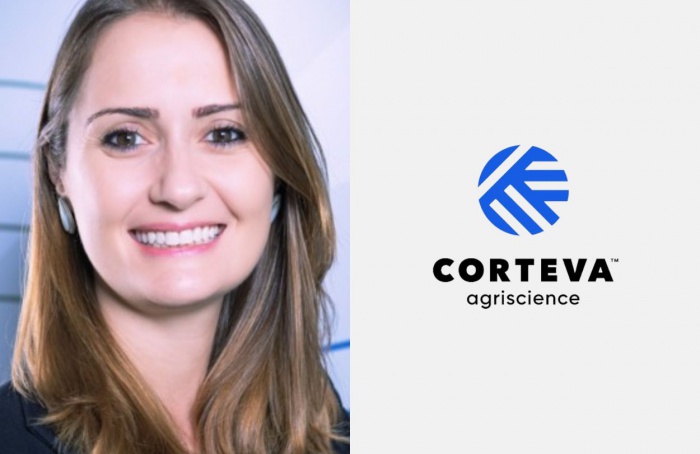
One of the strategic areas considered by the organization is the closer relationship between the milling industry and agricultural production in São Paulo. According to the president of Sindustrigo, Max Piermartiri (pictured), wheat needs to be understood based on its characteristics and aptitudes, which vary according to the production region and determine its applications in the industry. "The alignment between the demands of the mills and the characteristics of the grains produced in the state is considered fundamental to expanding the possibilities for marketing São Paulo wheat and meeting the quality requirements of the flour industry," he states.
Sindustrigo's actions are also reflected in achievements for the São Paulo milling industry. One of the most recent is the renewal of tax benefits in the state of São Paulo, considered by the organization an important measure to preserve the competitiveness of local mills. The tax agenda is part of a broader set of priorities monitored by the Union, which also works on issues related to the production and quality of raw materials.
“We work in a multidisciplinary way to defend the interests of São Paulo's mills, monitoring different issues that impact the activity. An important achievement was the renewal of tax benefits in the state, which helps to guarantee the competitiveness of São Paulo's industry in a highly competitive market,” highlights Piermartiri.
Another area of focus is the coordination between the different segments of the production chain. Sindustrigo has participated for several years in the Wheat Sector Chamber of the São Paulo State Department of Agriculture, a forum for discussion that, according to the organization, has contributed to advances in the state's grain production and, especially, in its industrial quality.
In this integration effort, the Union also redesigned the format of the São Paulo State Wheat Production Chain Meeting, seeking to expand networking opportunities among participants. The initiative began to emphasize, in addition to technical content, the exchange of experiences and closer ties between representatives of the different links in the chain.
The closer relationship between agriculture and industry is gaining importance given the outlook for 2027, especially in a scenario of uncertainty regarding the availability and quality of raw materials. In addition to supply conditions in the national and international markets, the milling industry is monitoring the impacts of logistics costs, bottlenecks in port infrastructure, and tax issues on the sector's competitiveness.
Weather conditions also represent a factor of concern. The losses recorded in the 2026 wheat harvest in São Paulo highlighted the vulnerability of production to climate fluctuations and reinforced the importance of planning for industrial supply. In this scenario, diversifying wheat origins could become more relevant for mills, which need to balance raw material availability, quality, and costs to maintain the standard of products destined for the Brazilian market.
“We are facing a period that will require a lot of work, adaptability, and attention to opportunities. Sindustrigo believes in São Paulo's producers and the potential of wheat produced in the state. The alignment between the demand from mills and agricultural production needs to continue advancing. Our commitment is to stand alongside our members, taking their demands to the necessary bodies, promoting dialogue, and seeking alternatives so that the industry can overcome the difficulties that arise,” concludes Piermartiri.
Receive the latest agriculture news by email



Receive the latest agriculture news by email