Agriculture Committee approves changes to Proagro
The project ensures greater justice and prevents the use of environmental data to restrict compensation for rural losses.
09.07.2025 | 17:34 (UTC -3)
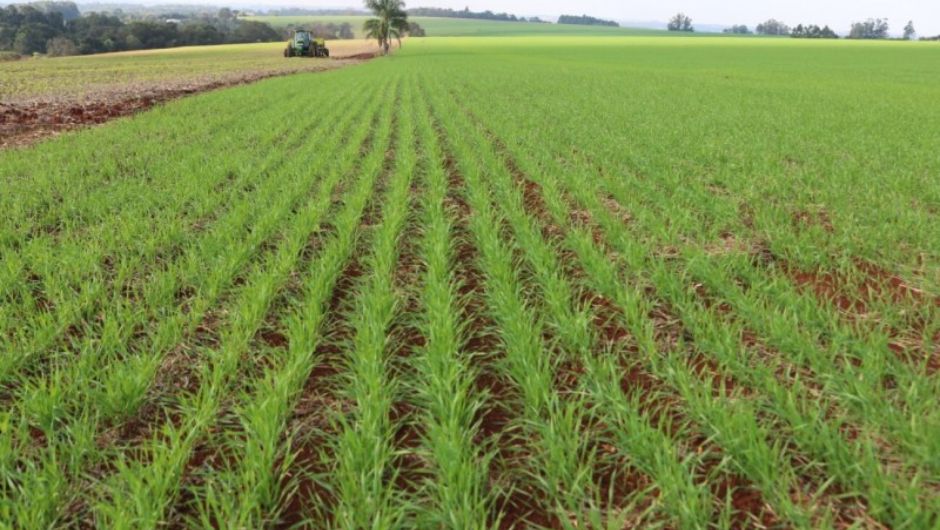
Dry weather and improved soil conditions boosted wheat planting progress in Rio Grande do Sul last week. According to the Informativo Conjuntural released by Emater/RS this Thursday (10), sowing of the crop has already reached 82% of the area estimated for the 2025 harvest, recovering part of the delay caused by excessive rainfall in June.
Most wheat crops are in the vegetative development stage. In areas where excess moisture caused water stress, signs of recovery are already being observed. Although freezing temperatures and frost have affected lower, wetter regions, the impacts are not expected to significantly affect state production. With the dry weather continuing, sowing is expected to be completed within the timeframe established by the Agricultural Climate Risk Zoning (Zarc).
The total area planned for wheat cultivation in the State is 1.198.276 hectares, with an estimated productivity of 2.997 kilos per hectare.
White oat sowing also progressed, favored by sunny days and reduced soil moisture. According to Emater/RS, 92% of the planned area has already been planted. Most crops are in the vegetative stage (88%), with flowering (9%) and grain filling (3%) areas concentrated in northwest Rio Grande do Sul.
Severe frosts caused leaf damage and lesions in reproductive structures, which could compromise the production potential of more advanced areas. Even so, the overall phytosanitary status of the crops is satisfactory. The estimated planted area is 401.273 hectares, with an average productivity of 2.254 kg/ha.
Canola is practically fully planted, with 98% of the planned area already planted. The continuity of the operation depends on each producer's decision, as the window recommended by Zarc has been exceeded. This increases the risk of production losses and could compromise the summer crop calendar.
About 15% of the crops are in bloom and may have been affected by the recent frosts, but the damage is still being assessed. Emater/RS projects 203.206 hectares of cultivated land, with an estimated yield of 1.737 kg/ha.
Barley planting is in its final stages in the state. Climate stability has allowed seeding to progress in areas where it had been delayed. In the Far North, work has been completed. Crops show good growth, vigor, and initial development, maintaining their production potential. In Ijuí, the phytosanitary status is considered excellent, with no reported pests or diseases.
For the 2025 harvest, Emater/RS projects 27.337 hectares cultivated with barley, and an average productivity of 3.198 kg/ha.
Receive the latest agriculture news by email



Receive the latest agriculture news by email