





MS Harvest 2024/25: planting of 2nd corn crop is completed
According to Aprosoja/MS, crop conditions are relatively good
28.05.2025 | 16:31 (UTC -3)
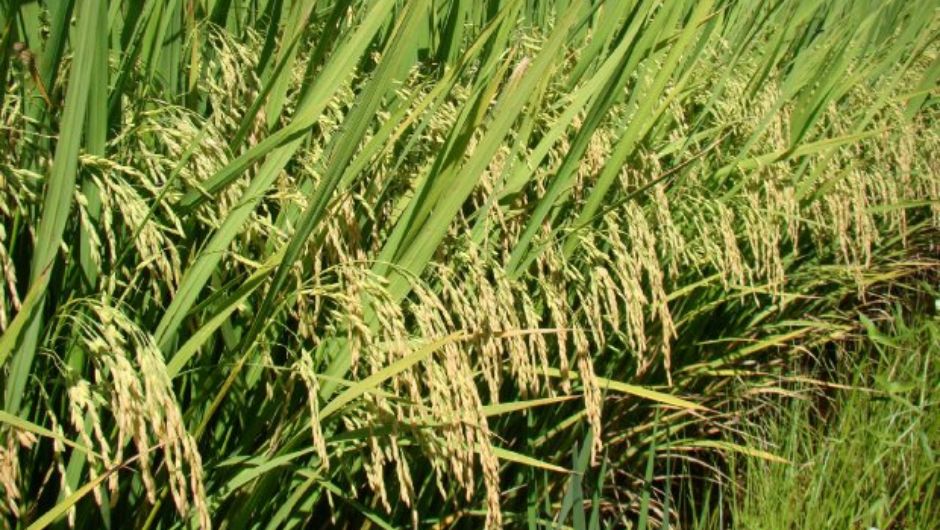
Santa Catarina rice closed April with a significant drop in prices. The 50-kilo bag was sold at R$73,11, 30,38% lower than the value recorded in the same period in 2024, according to data from Epagri/Cepa. The decline is a reflection of the increase in supply in Brazil and Mercosur, favored by positive weather conditions, which has generated a surplus in the domestic market and made it difficult for prices to recover.
Despite the devaluation of prices for the 2024 harvest, Santa Catarina celebrates an important milestone with record productivity estimated at 8,73 tons per hectare. The result is attributed to the use of cultivars with high production potential, improvements in management and regular weather during the cycle.
In the external scenario, the performance was also negative. Between January and April 2025, Santa Catarina's rice exports totaled US$ 733,99 thousand, a drop of 44% compared to the same period in 2024. The main destinations were Trinidad and Tobago, Cuba and Senegal. The loss of competitiveness compared to neighboring countries with lower production costs has made it difficult to transport the Brazilian harvest.
Glaucia Padrão, an analyst at the Center for Socioeconomics and Agricultural Planning (Epagri/Cepa), explains that the second half of the year tends to maintain pressure on prices, even though the off-season period usually favors appreciation. “This year we have a downward pressure factor even in the off-season because supply remains high and Mercosur also has competitive production,” she says.
Despite the pressure on the domestic market, the international scenario could open up specific gaps for Brazilian rice in the second half of the year. With the United States facing problems with excessive rainfall, there is an expectation of a reduction in the country's supply, which could open up space for Brazil in traditional North American markets. “However, the Mercosur countries have expanded their production and, with lower production costs, are more competitive than Brazil in international trade, making it difficult for Brazilian rice to enter new markets,” explains Glaucia.
According to the Epagri/Cepa analyst, another point to be considered is the crisis between India and Pakistan, major global exporters, which could benefit Brazil, especially in European and African markets. Even so, the rice sector enters the second half of the year with the prospect of stable prices, limited to seasonal fluctuations.
“For producers in Santa Catarina, the scenario is one of increased attention and strategic management of sales, with no indication of major changes in prices. The trend is for the seasonal fluctuation typical of the off-season to continue, with the possibility of some support if these external opportunities are confirmed,” emphasizes Glaucia.
Receive the latest agriculture news by email



Receive the latest agriculture news by email