Research proposes an efficient method for sampling agricultural soils for carbon monitoring
Researchers from Embrapa Meio Ambiente conducted a study exploring the relationship between soil sampling and the variability of carbon stock estimates
15.12.2023 | 14:19 (UTC -3)
Christina Tordin
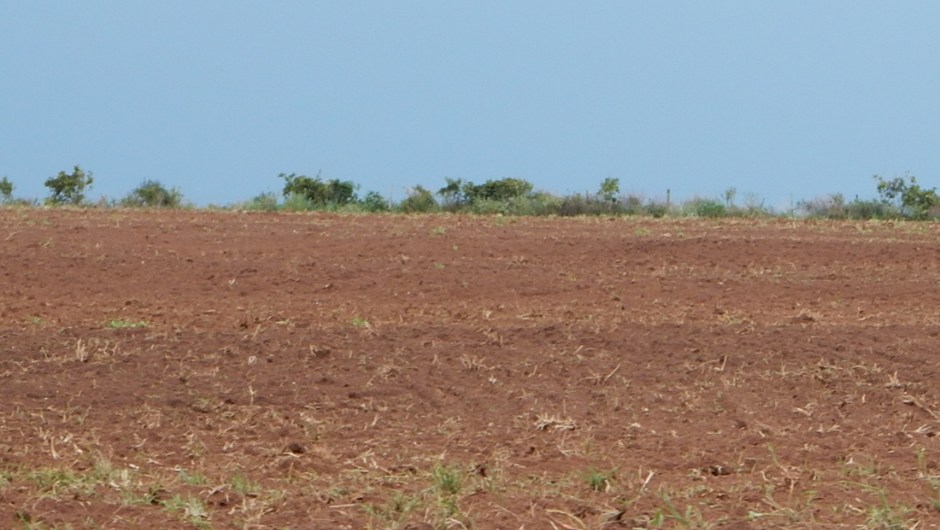
Search area; photo: Alfredo Luiz
The agricultural soil sampling method, crucial for correction and fertilization, is well known and used by the Brazilian agricultural community. The country, with its efficient practices, has recorded increasing productivity rates in several crops. However, in the face of growing concerns about climate change, affected by greenhouse gases, a new question is emerging: which method is most suitable for sampling agricultural soils and determining the stored carbon content?
Researchers from Embrapa Meio Ambiente conducted a study exploring the relationship between soil sampling and the variability of carbon stock estimates. According to Alfredo Luiz, a researcher at Embrapa Meio Ambiente, the study concluded that, to estimate the carbon stock up to 30 cm, a sample size of 9 collection points per homogeneous agricultural plot (up to 50 hectares) proved to be sufficient, guaranteeing a precision equal to or less than 10% coefficient of variation in the average estimate.
“The results of this study aim to contribute to the creation of a protocol that allows accurate monitoring of carbon in the soil. This step is fundamental for the agricultural sector's participation in the long-awaited carbon market, providing a solid basis for evaluating and mitigating greenhouse gas emissions through agricultural activities”, highlights Luiz.
When accurate point data is available, it will be necessary to complement it with information about the spatial distribution of tasks and the area occupied by them. This information is essential for extrapolations that will make it possible to send carbon stocks nationally. Much of this data will be obtained in the next IBGE Agricultural Census, the twelfth to be carried out in Brazil, already in the planning and discussion phase by the community involved in data generation and analysis. The expectation is that the initiative will significantly contribute to the construction of a more sustainable and conscious approach in the Brazilian agricultural sector.
School of Sampling and Research Methods - VI Esamp
In November 2023, the sixth edition of Esamp was held at the State University of Campinas - Unicamp. The event aimed to bring together statisticians, researchers, students and professionals from universities and organizations producing statistical information, and users of this information in academia, government and industry, to present and discuss the latest developments in sample planning, research methods and analysis of data from sample surveys.
According to Luiz, it was a unique opportunity for participants to update themselves on best practices for planning, producing, disseminating and analyzing data from sample sources.