RedeCanola seeks to boost canola cultivation in Brazil
Initiative unites Orígeo, Embrapa Agroenergia, Advanta and Bunge; The world produces 25 million tons of this brassica and Brazil only 135 thousand tons
14.05.2024 | 14:49 (UTC -3)
Cultivar Magazine, based on information from
Orígeo, a joint venture belonging to Bunge and UPL, joins forces with Embrapa Agroenergia, Advanta Seeds and Bunge itself to launch the RedeCanola project. The initiative seeks to catalyze the production of canola in the country, a crop that is still little explored, but with the potential to enrich agricultural diversity and contribute to more sustainable production.
Canola is the third most cultivated oilseed in the world, surpassed only by soybeans and palm. However, in Brazil, its production is modest, occupying around 92 thousand hectares and an annual production that barely exceeds 135 thousand tons, according to data from Conab.
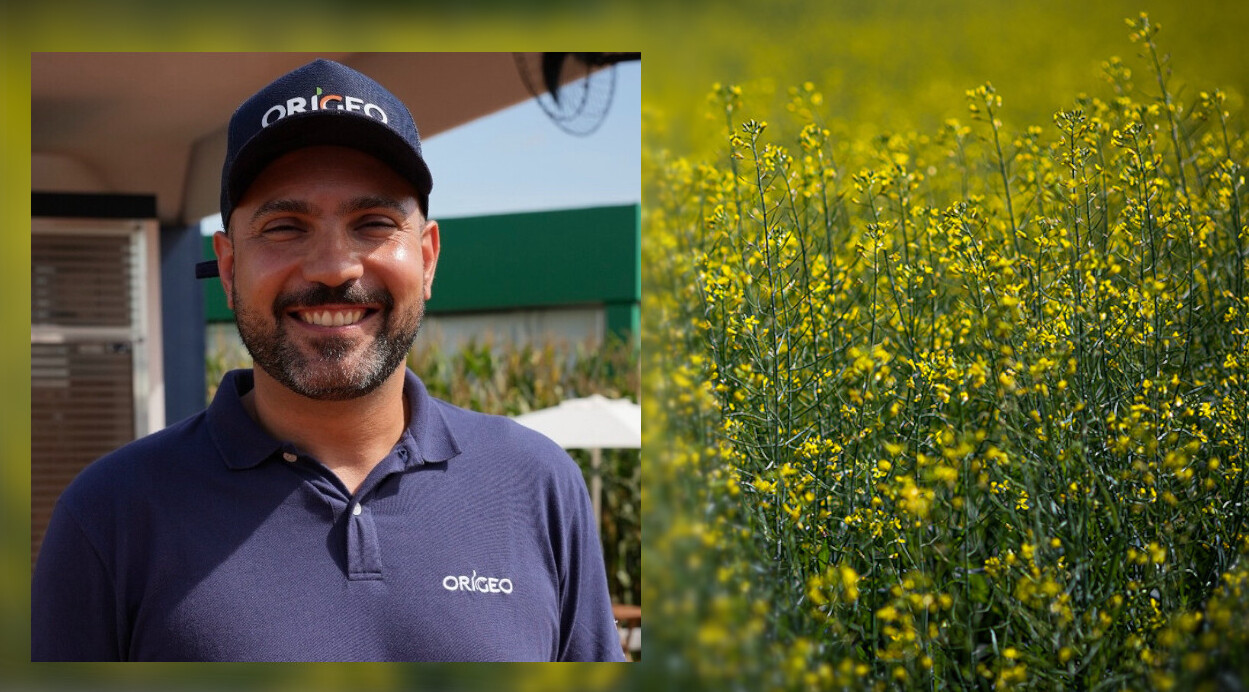
Igor Borges (in the photo), "head" of sustainability at Orígeo, highlights that "canola is an economically attractive option for the second soybean harvest or after summer corn cultivation, with high productivity and oil production potential that, in In some cases, it can exceed 40%.”
RedeCanola aims to structure the canola production chain through competitive hybrid trials, which will be coordinated by Advanta and Orígeo. These trials will take place in a cultivation system adapted to the tropical climate, both rainfed and irrigated, developed by Embrapa. "Canola has the potential to grow well in all regions of the country, in addition to offering significant economic returns for farmers," says Borges.
Bruno Laviola, from Embrapa Agroenergia, highlights that Brazil has the potential to become one of the world's largest canola producers, without the need to expand the agricultural area. This is possible due to the adaptation of canola to the off-season, making its production more sustainable, especially when the oil is destined for the production of biofuels, such as biodiesel, renewable diesel and sustainable aviation (SAF) and marine fuels.
In addition to being ideal for biofuel production, canola oil is beneficial for human consumption, due to its high content of omega 3, vitamin E, monounsaturated fats and low saturated fat content. The resulting bran, rich in protein (34% to 38%), is also used in animal feed.