Rain improves soil moisture in agricultural areas, but wheat, coffee and sugarcane productivity remains at risk
Crops in Paraná, São Paulo and Minas Gerais continue to pay attention
27.08.2021 | 20:59 (UTC -3)
Carol Silveira
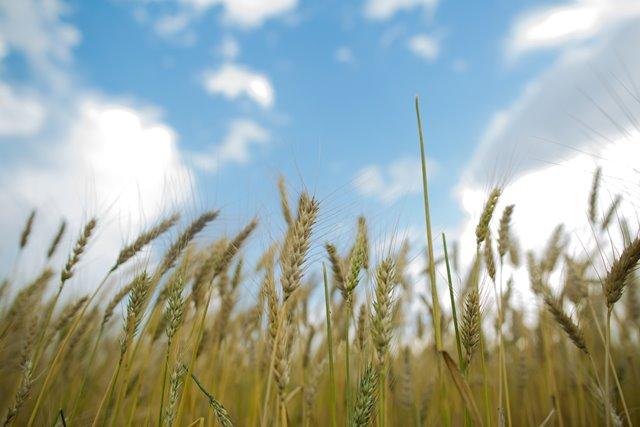
Rain is expected to occur in the next few days in important producing regions of the country, according to monitoring by Geosys Brasil. Data from the European model (ECMWF) indicate above-average rainfall for parts of São Paulo and Paraná, as well as areas in Minas Gerais and the Central-West, North and Northeast regions. However, soil moisture is expected to remain below average in most of Paraná, the country's largest wheat producer.
"Only in Rio Grande do Sul did wheat crops receive rainfall above the average for the period - above 40 millimeters. In other areas of the wheat zone, the volume of rainfall varied from 0 to 10 millimeters, as in Paraná and São Paulo , remaining well below average. Low soil humidity must be monitored in the coming days and, if there is no change in the scenario, production potential may be limited”, explains Felippe Reis, crop analyst at Geosys Brasil.
Paraná
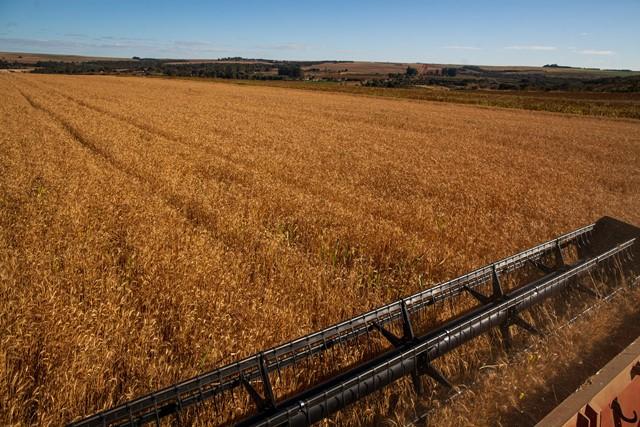
In the state, the NDVI, vegetative vigor index, is similar to 2019, when wheat productivity was poor in relation to the trend. In Paraná, in the state's wheat zone, it rained only 32,5 millimeters in July, 62,3% below average, and 21,8 millimeters in August, considering up to the 25th of the month - 72,6% below average . Since the beginning of July, accumulated precipitation has been at the lowest level in the last 30 years and, even with the forecast of good rains for some regions of the state, the monthly volume is expected to be below average. The situation is a little better only in the East of the State, where the cities of Castro, Ponta Grossa, Campo Largo and Palmeira are located, with soil moisture close to average and NDVI above average, resulting in favorable conditions for crops. wheat.
Rio Grande do Sul
In wheat fields in the cities of Tenente Portela and Três Passos in the northwest region, soil moisture is 15,4% below the average of the last 10 years. Drought has kept humidity low since early July. The water balance (precipitation – evapotranspiration) highlights water stress in the region in recent weeks. The NDVI is close to average, indicating that productivity may not be high in the current season. However, for the next few days, the volume of rain should be below average, according to the American model (GFS) and the European model (ECMWF).
São Paulo
In the wheat zone of the state, where the municipalities of Capão Bonito and Itapetininga are located, the volume of rain accumulated since July is the lowest in the last 30 years. The NDVI has shown poor dynamics in recent days, which may be a reflection of the drought and, consequently, soil humidity, which has been at a low level since the beginning of the cycle. The good news is that rain is forecast for the next few days, which should help increase soil humidity.
In the northwest of the state, in the region of São José do Rio Preto, where sugar cane cultivation predominates, the volume of accumulated rain is at the lowest level in the last 30 years, just below 2018. The NDVI curve indicates unfavorable conditions of the current season and points to lower productivity compared to recent years. The forecast indicates low rainfall in the region for the next few days.
Mining Triangle
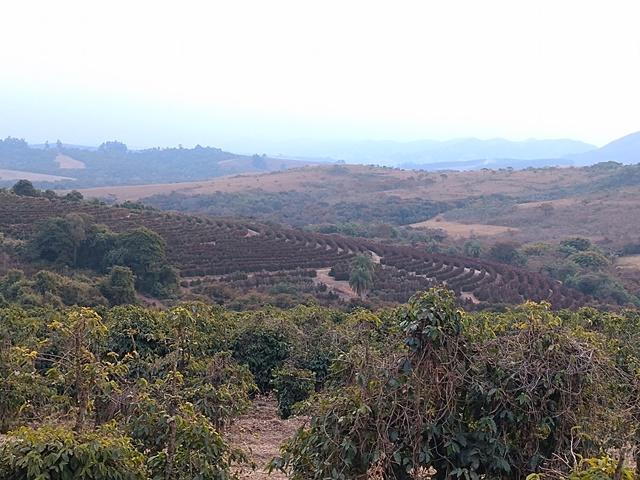
In August, until the 25th of the month, there was practically no rain in the Triângulo Mineiro, where Patrocínio, Uberaba and Uberlândia are located, which recorded just 0,09 millimeters of rain. Although there is less rain at this time of year, the drought is more intense. Because of low precipitation, soil moisture is 9,0% below the average of the last 10 years. In the south and southeast of Minas Gerais, a region that comprises the municipalities of Guaxupé and Varginha, for example, in February the volume of rain was in line with the average, but in the other months drought prevailed. Furthermore, between the end of June and the beginning of August, three sudden drops in temperature were recorded, which allowed frosts to occur in the region. The combination of drought and frost severely damaged coffee crops in the region.