





BRS Jacundá cassava promises to triple productivity in Amazonas
Cultivar will be launched in October in Manaus and can strengthen the rural economy and food security in the state.
06.10.2025 | 17:55 (UTC -3)
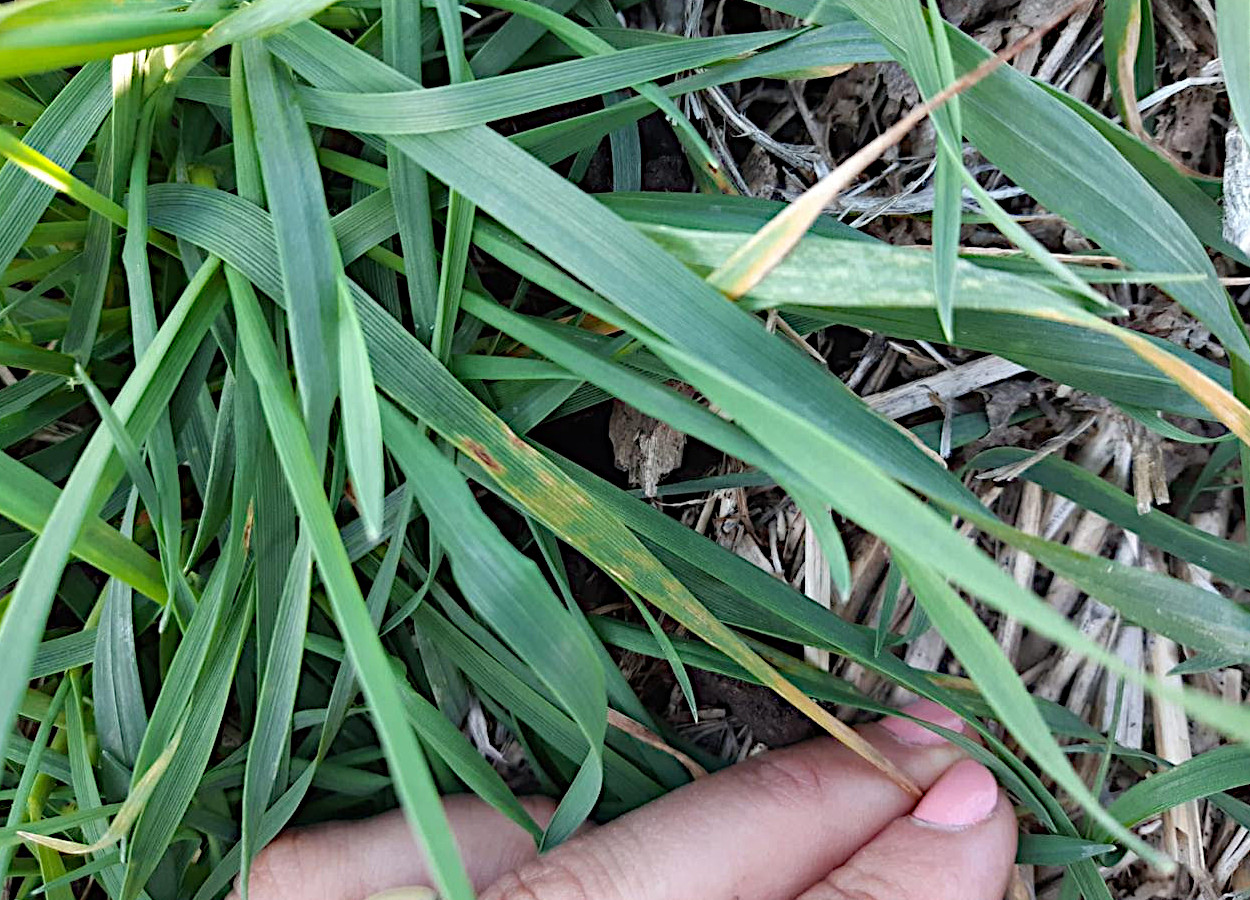
With the arrival of rains and high humidity, yellow spot is once again threatening wheat crops in the 2025 harvest in Argentina. The disease, caused by mushroom Drechslera tritici-repentis, finds a favorable environment with temperatures between 18°C and 28°C and long periods of leaf wetness. The presence of infected straw from previous harvests also increases the risk of infection.
Phytopathologist Cristina Palacio, from Aapresid's Pest Management Network, warns of the increasing risk, especially in susceptible cultivars. Symptoms appear on the leaves, from tillering to grain filling, with yellow spots that evolve into necrotic lesions. The reduction in photosynthetic area compromises grain filling. In severe cases, losses can reach 20%.
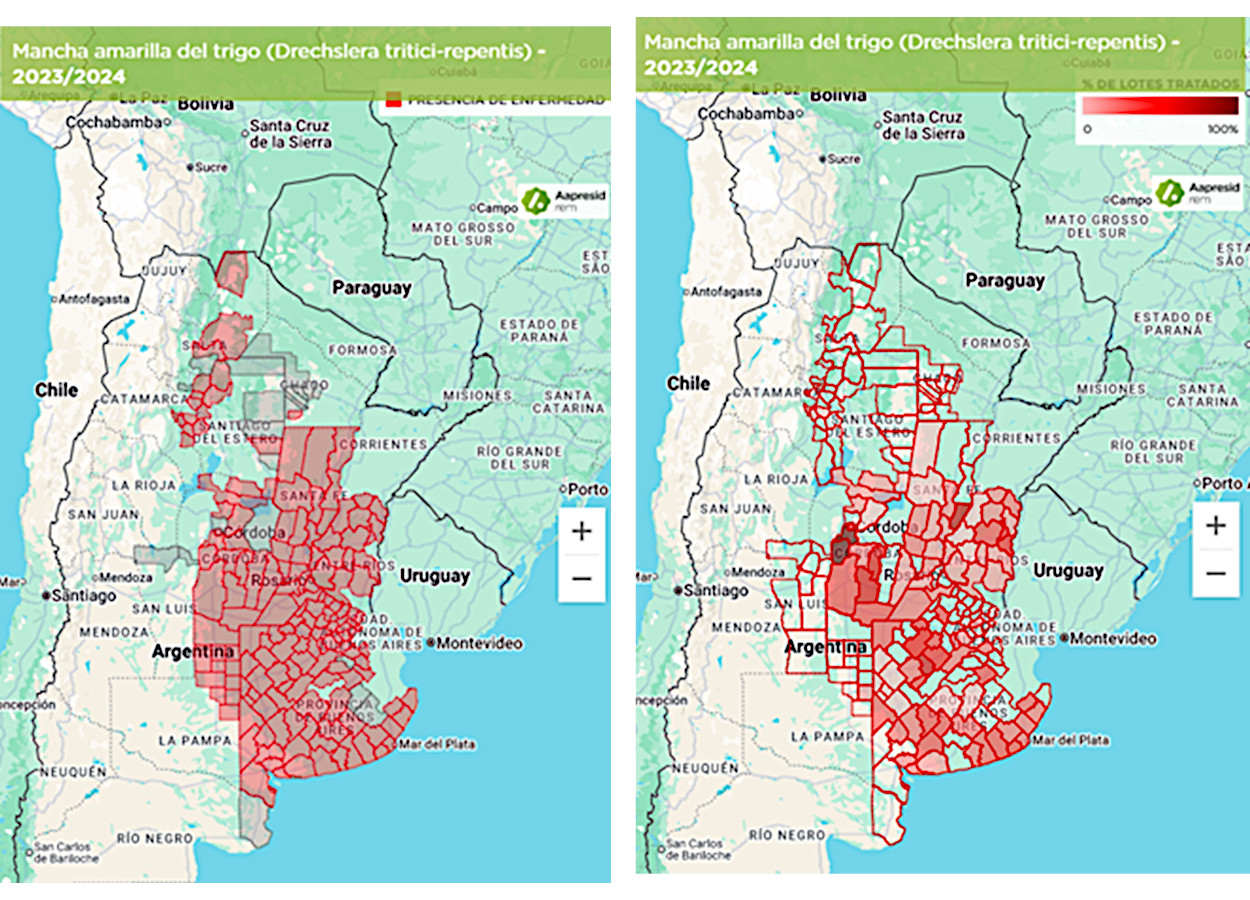
The disease requires accurate diagnosis, as it can be confused with other leaf spots. Dispersal occurs through wind and rain splashes, which favors its rapid spread throughout the crop.
The fungus's resistance to fungicides increases the challenges. Approximately 90% of isolates already exhibit cross-resistance to all strobilurins, and control with triazoles has also lost effectiveness for some molecules. Carboxamides remain an effective tool, but their use must comply with anti-resistance strategies. This includes rotating modes of action, using mixtures, and applying at the optimal time.
Recommendations include the use of healthy seeds, crop and cultivar rotation, and the adoption of biofungicides and multi-sites as alternatives in integrated management.
Click here to find out which fungicides are registered against Drechslera tritici-repentis in Brazil
Receive the latest agriculture news by email



Receive the latest agriculture news by email