RS 2024/25 Harvest: wheat planting reaches 92% of the total area
Sowing progresses in dry weather and should be completed within the period recommended by Zarc
17.07.2025 | 17:22 (UTC -3)
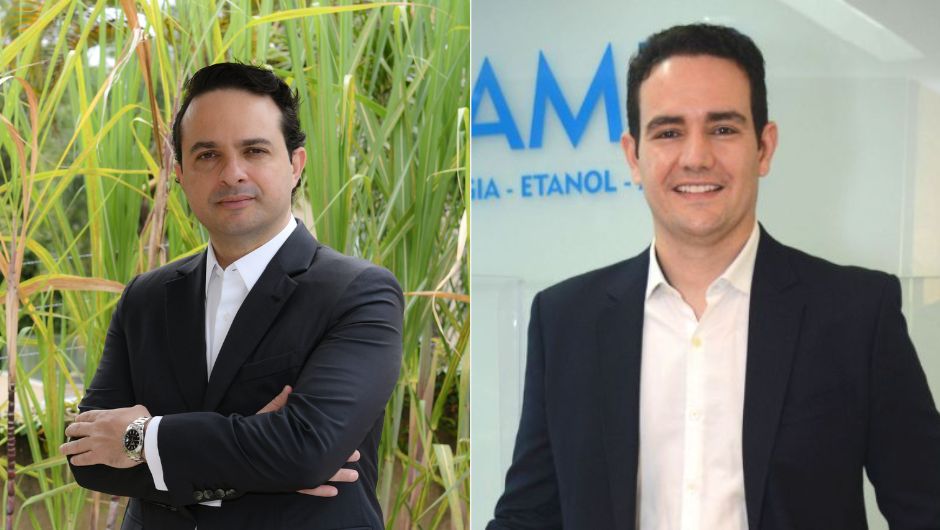
Following the U.S. government's announcement that it is opening an investigation into Brazilian trade practices, the Sugarcane and Bioenergy Industry Association (Unica) and Bioenergia Brasil reiterated their confidence in the Brazilian government. In a press release, the organizations emphasized its firmness and diplomatic competence in defending national interests, especially in the strategic biofuels sector.
Brazil is internationally recognized as a leader in low-carbon mobility. Structural programs such as RenovaBio, Combustível do Futuro, and Mover reflect the national energy policy's consistency with multilateral commitments, such as the Paris Agreement. Brazil's selection as the host city of COP30 reinforces this global leadership.
According to Unica and Bioenergia Brasil, Brazilian ethanol has low carbon intensity and meets rigorous and auditable sustainability criteria, making it an effective and affordable solution for decarbonizing transportation. Since 2003, with the popularization of flex-fuel vehicles, the combined use of hydrous ethanol and the mandatory blending of anhydrous ethanol in gasoline has prevented the emission of more than 730 million tons of CO₂ equivalent—a volume close to the total annual emissions of Indonesia, the eighth-largest emitter on the planet.
In addition to its environmental benefits, the sugarcane industry is crucial for generating jobs, income, and development in over a thousand Brazilian municipalities. The organizations emphasize that its social, economic, and environmental importance must be protected and valued as part of the country's energy transition and green economy.
Finally, Unica and Bioenergia Brasil reaffirm their confidence in the Brazilian government's responsible conduct during the diplomatic process, emphasizing that bilateral trade between Brazil and the United States, historically based on mutual respect, must be preserved and strengthened. For the organizations, ethanol is a clear example of a joint agenda that benefits economies, people, and the global climate.
Receive the latest agriculture news by email


Receive the latest agriculture news by email