Pirated seeds cause losses of R$ 10 billion per year in Brazil.
The use of illegal materials reduces productivity and generates losses for the seed market.
27.08.2026 | 17:29 (UTC -3)
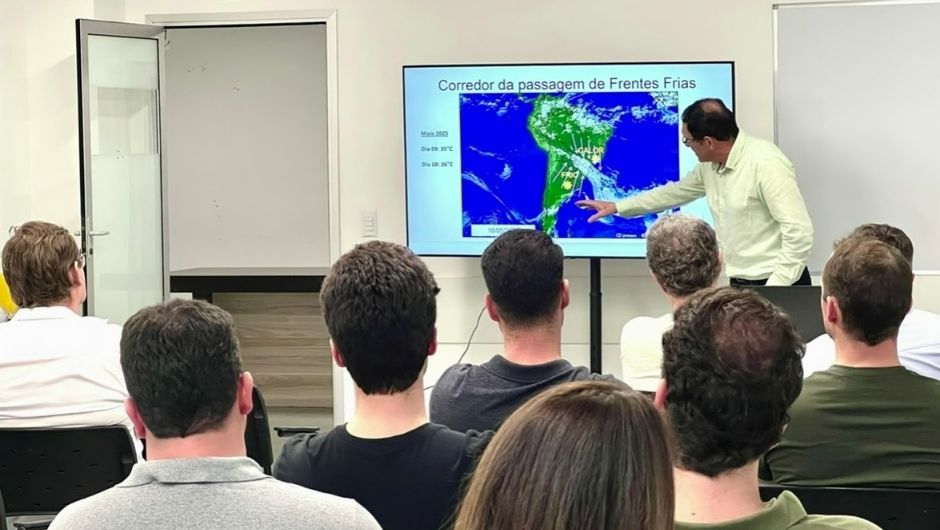
The historic increase in the temperature of the Equatorial Pacific Ocean and the forecast of a strong El Niño climatic influence in Santa Catarina has worried industries and farmers, especially given the approach of the rice planting season. With the peak estimated for the period from October to December, the phenomenon has the potential to cause damage to crops and rural structures, raising an alert that was discussed in a lecture with the PhD in agrometeorology from Epagri, Márcio Sônego, promoted by the Santa Catarina Rice Industry Union (SindArroz-SC), this Thursday (August 27), at the Criciúma Business Association (Acic).
In the Southern region, El Niño usually favors above-average rainfall and temperature fluctuations, factors that can hinder the progress of agricultural activities, depending on the intensity of the phenomenon and local conditions. According to the president of SindArroz-SC, Walmir Rampinelli, the initiative sought to clarify the doubts of members regarding the future climate and to present measures that can contribute to crop planning and risk reduction in the field.
“For some months now, there has been talk about El Niño, and this topic has generated some concern among farmers and industries as a whole. However, few people know how to correctly identify what this phenomenon actually is and how it can impact our region, especially in relation to agriculture. We brought this lecture to avoid misinformation, bring knowledge to our members, and present solutions for possible impacts of the phenomenon,” says the president.
A natural climatic phenomenon, this year El Niño began occurring in May and is expected to continue until May 2027. It is characterized by the abnormal warming of the waters of the Equatorial Pacific Ocean and favors the occurrence of severe climatic instability events with the potential to cause damage to crops and rural infrastructure.
In the Southern Region, the phenomenon usually presents periods of drought, excessive rainfall, low sunlight, and high humidity. For rice cultivation, this abrupt climate change becomes detrimental since frequent rains delay soil preparation, sowing, crop treatment, and hinder the entry of machinery into the waterlogged fields.
During the lecture, Sônego presented the identifying characteristics of El Niño and the factors that contribute to its formation, the climatic pattern of the Southern Region of Santa Catarina, and conditions that can harm or favor rice cultivation. Sônego also emphasized that, despite being a natural phenomenon, what is concerning is the historic increase in the temperature of the Equatorial Pacific Ocean, which reached 3.5º.
“Since 1984, when there was that great flood that impacted the entire state of Santa Catarina, El Niño has been more frequent. When the phenomenon occurs, the Southern Region usually receives more intense rainfall during the spring, and this can harm the rice production chain if producers and industries are not prepared,” highlights the agronomist and agrometeorologist from Epagri.
On that occasion, the Union also held its annual assembly, with the objective of providing an account of its activities, discussing the results achieved by the 2025-2026 administration, identifying initiatives aimed at strengthening the sector, and addressing the 9th Official Opening of the Rice Harvest in Santa Catarina, which will take place in January 2027.
Receive the latest agriculture news by email



Receive the latest agriculture news by email