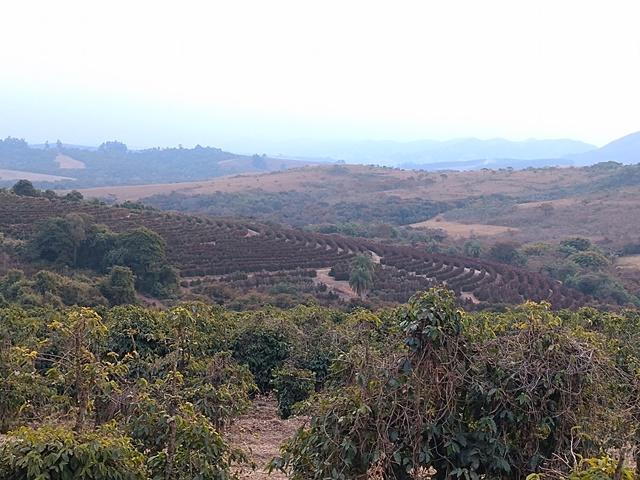
In order to help farmers minimize risks and face the impact of frost on coffee production, Corteva Agriscience launches a four-episode web series with practical guidance on coffee plantation management during the historical period of frost occurrence in the country. The videos feature the participation of Luis Guilherme Bergamin, Agronomy manager at Corteva.
The first episode highlights that it is recommended to intervene as little as possible in the crop at this stage, removing leaves and branches leaves the plant more exposed and the risk of a new frost could be even worse. It is necessary to wait 30 to 60 days after the frost occurs to assess the extent of the damage. Furthermore, the more material left for the next harvest, the better for the productivity of the coffee plantation.
The second chapter informs that the decision of what to do must be made depending on the magnitude of tissue death in crops. If pruning is necessary, the rule is: the less you cut, the better. The various types of pruning are also detailed, according to each situation. The third episode explains what frost is and when it occurs. In addition to the dew frozen on the surface, frost causes the water inside the plant to freeze, destroying the cells, and the temperature of minus two degrees Celsius is lethal to the coffee plant. According to history since 1890, the frequency of very severe frosts, like this, is seen every 30 years. Severe, every six years, and moderate, every three years.
Finally, the last episode guides how to proceed in the medium and long term. To prevent frost from affecting the coffee plantation, planning must be carried out even before planting the seedlings, taking into account the region, terrain and type of vegetation. Tips on how to avoid the risk of frost on coffee farms are also presented.
The complete web series is available at the link here.