Agriculture Committee approves changes to Proagro
The project ensures greater justice and prevents the use of environmental data to restrict compensation for rural losses.
09.07.2025 | 17:34 (UTC -3)
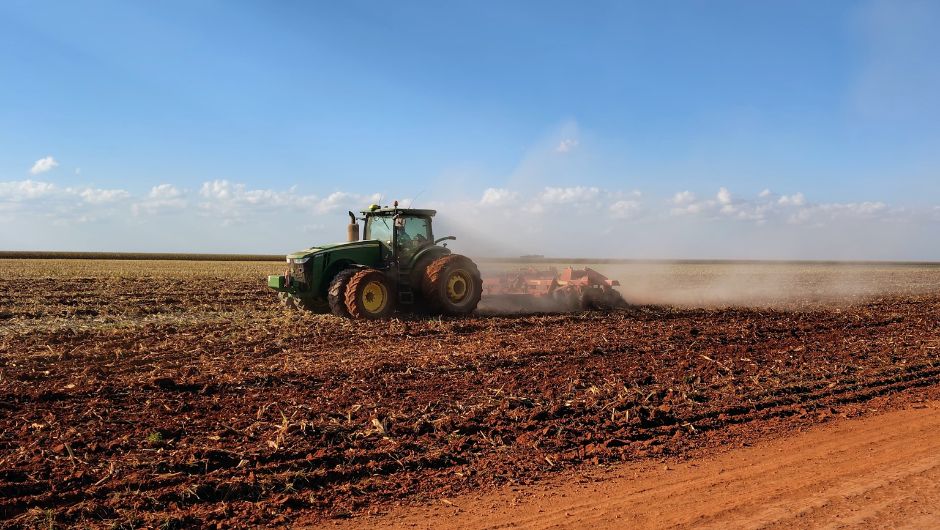
The corn harvested area in Mato Grosso do Sul as of July 4th was 10,2% of the estimated total, according to information from the Siga-MS Project, implemented by Aprosoja/MS. The central region is most advanced in harvesting, averaging 12,5%, while the southern region is at 10,8%, and the northern region at 1,67%. The project estimates the harvested area to date to be approximately 214 hectares.
Harvesting began in late May and is expected to continue until the last week of August. However, the peak harvest is expected to occur in July.
According to the technical coordinator of Aprosoja/MS, Gabriel Balta, the delay in the corn harvest in the State is caused by two main factors: the high humidity of the grains and the shortage of trucks for transportation.
"Typically, producers avoid the costs of artificial drying, preferring to let the corn dry naturally in the field. Since it's a crop that tolerates longer in the field, there's less of a rush to harvest, especially when grain prices are unfavorable."
According to Gabriel, the lack of trucks has been most noticeable in the central region of the state. "It's a temporary problem, which should resolve soon. The peak harvest season usually begins in July, so the situation is expected to stabilize in the coming weeks."
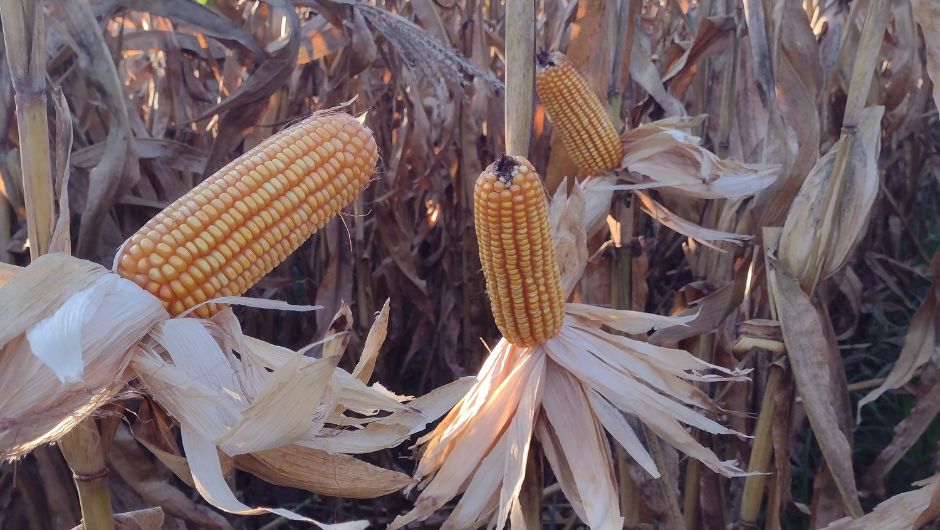
In Chapadão do Sul, grain moisture should cause harvesting to start later on some properties, as has been the case with rural producer and director of Aprosoja/MS, Pompílio Silva.
"What happened here in Chapadão is that we had a certain delay in soybean planting, even in 2024. Normally, planting begins in early October, between October 1st and 10th, but we started between October 15th and 20th. So, this automatically resulted in a delay of about 10 days, which ultimately impacted the soybean harvest. So, most of the corn planted in the Chapadão do Sul region, here in our region, was between February 10th and 25th. While we always had areas already planted in January, right? Very few producers were able to plant in January, and this is now impacting the start of the harvest."
According to Mateus Fernandes, Economics analyst at Aprosoja/MS, with the increase in corn on the market, grain prices are under significant pressure, causing prices to fall due to the laws of supply and demand. "Analyzing the market as a whole, the dollar has also been declining, which directly impacts corn prices. But compared to last year, market conditions are currently better. With the harvest progressing, other factors need to be considered, such as logistics and storage costs. The storage deficit can be a crucial factor in determining producers' profit margins, as future corn prices are expected to rise, and producers who are able to store them will benefit from better times when prices are more advantageous."
The forecast indicates stable weather, with predominantly sunny skies and varying cloud cover. This condition is associated with the action of a high atmospheric pressure system, which inhibits cloud formation and rainfall, keeping the weather stable throughout the state. There are no signs of significant rainfall over the next 10 days.
Receive the latest agriculture news by email



Receive the latest agriculture news by email