Embrapa study reveals progress in robusta coffee production in the state
28.10.2025 | 08:54 (UTC -3)
Cultivar Magazine, based on information from Fabio Reynol
Photos: Enrique Alves
Coffee production in the Matas de Rondônia region has reached a new level. A study by Embrapa reveals that average coffee productivity in the state reached 68,5 bags per hectare, surpassing the national average of 50,4 bags. This growth is driven by small family farms and high levels of technological development.
From 2001 to 2023, cultivated area shrank by 75%, while productivity jumped 550%, from 7,8 to 50,2 bags per hectare. Irrigation covers 98,7% of crops. Rural connectivity increased from 9,2% to 97,7% in seven years. Average revenue per property increased 38% between 2021 and 2023.
The Matas region of Rondônia accounts for 75% of the state's production. In 2021, it received Geographical Indication registration. This activity accounts for 63,6% of the Gross Value of Local Agricultural Production. There are over seven thousand coffee growers in the state. Their properties average 28,6 hectares, with 3,4 hectares of cropland.
The average reported cost per hectare is R$17,8. The price per bag is around R$1.300, while the cost is close to R$618. This margin has encouraged young people to remain in the fields. The average age of producers has dropped from 53 to 47 in 15 years.
Harvest mechanization
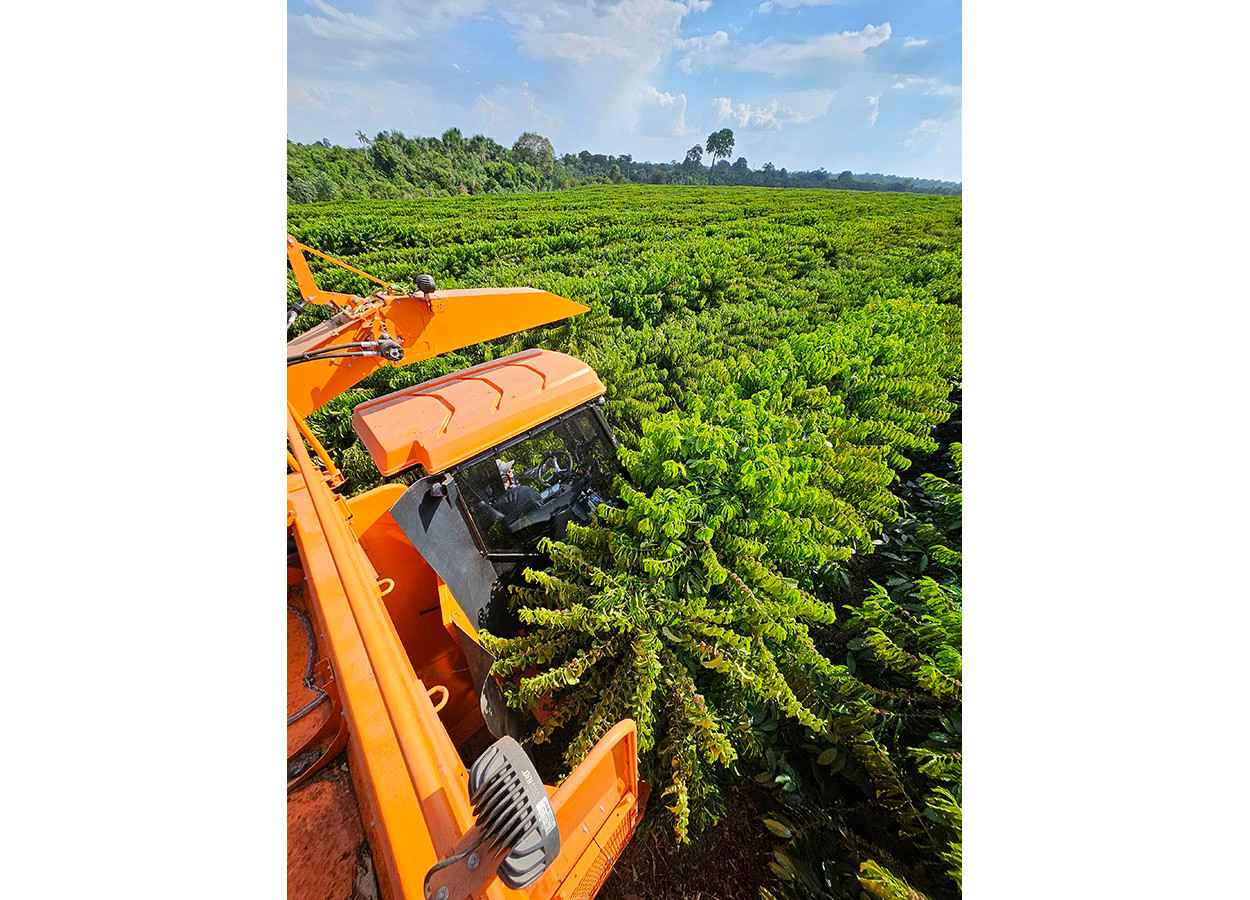
Harvest mechanization is advancing. The state already has over 200 harvesters and even offers machine rental services. Technological improvements include fertigation, proper fertilization, pruning, and biome-adapted clones. Despite this, harvesting still relies on labor, which is increasingly scarce.
Climate change poses new challenges. The irrigation season has increased from three to five months, increasing energy costs and requiring more water. Water efficiency techniques are becoming urgently needed.
Environmental impact
The environmental impact of coffee farming in the region is positive, says Embrapa. A recent study shows that coffee plantations sequester 2,3 times more carbon than they emit. Between 2020 and 2023, seven of the 15 municipalities reported zero deforestation. Only 0,6% of the area occupied by coffee plantations had vegetation cleared.
Forests cover half of the Rondônia Forests. Of these, 56% are located on indigenous lands. A total of 2,2 million hectares preserve native vegetation. The region's coffee is established as a quality product, associated with sustainability and the development of traditional communities.