




Data from the 2022 RS grape harvest is presented at a meeting of the Sector Chamber
This year's grape harvest for industrialization in Rio Grande do Sul had a drop of 7% compared to 2021
28.10.2022 | 14:10 (UTC -3)
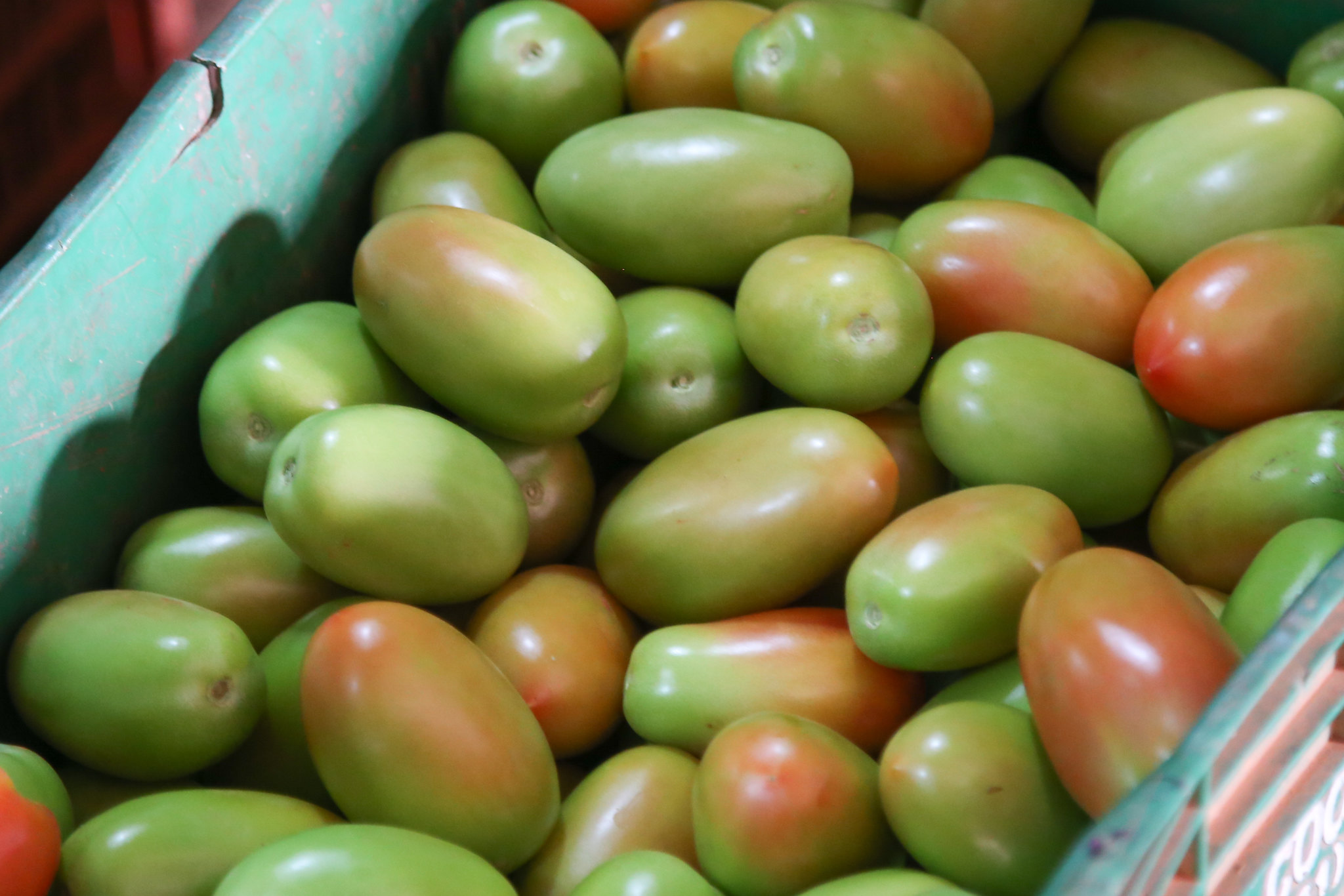
In 2022, the Campo Futuro Project, carried out by the Brazilian Confederation of Agriculture and Livestock (CNA), raised tomato production costs in the states of Minas Gerais, Paraná and Santa Catarina. The results were presented live, on Monday (31/10).
The president of the CNA National Vegetable Commission, Manoel Oliveira, led the debate, which included presentations by the entity's technical advisor, Letícia Barony, and the owner of the Tomaticulture Training Center, Marco Alvarenga.
According to Letícia, in the tomato production cost panels, carried out in the municipalities of Reserva (PR) and Barbacena (MG), the modal property has 2 and 7 hectares of planted area and average productivity of 3 and 3,5 thousand boxes /ha, respectively.
“In these two regions, we observed that the producer was unable to pay the costs with disbursements (inputs, harvest, post-harvest). This indicates that tomato production is being subsidized by another activity and needs other sources of capital for maintenance, indicating the discontinuity of the activity in the short term”, explained the CNA advisor.
In Lebon Regis (SC), the modal property is 10 hectares, with production of 4,5 thousand boxes of tomatoes per hectare. “Among the regions surveyed, only Lebon Regis showed positive gross and net margins and profitability,” said Letícia.
In the three municipalities, producer disbursements on fertilizers represent, on average, 21% of revenue. Next come phytosanitary products (12%) and payment of interest on crop financing operations, with 8,7% of revenue.
In his presentation, Marco Alvarenga highlighted the importance of using technology in tomato production systems. “Technological tools have evolved quickly and producers who do not follow this process run the risk of leaving the market.”
For Alvarenga, Brazil needs to invest in tomato cultivation in a protected system (greenhouses). “This type of production does not even reach 10% in the country, as investment is very high. The producer needs resources and believes that technologies are tools that contribute to increased productivity. It is a medium and long-term investment, but it helps to mitigate production and commercialization risks”.
Receive the latest agriculture news by email


Receive the latest agriculture news by email