




Yara projects positive scenario for the fertilizer market in 2023
Company makes strategic contribution in Rio Grande do Sul
28.02.2023 | 16:53 (UTC -3)
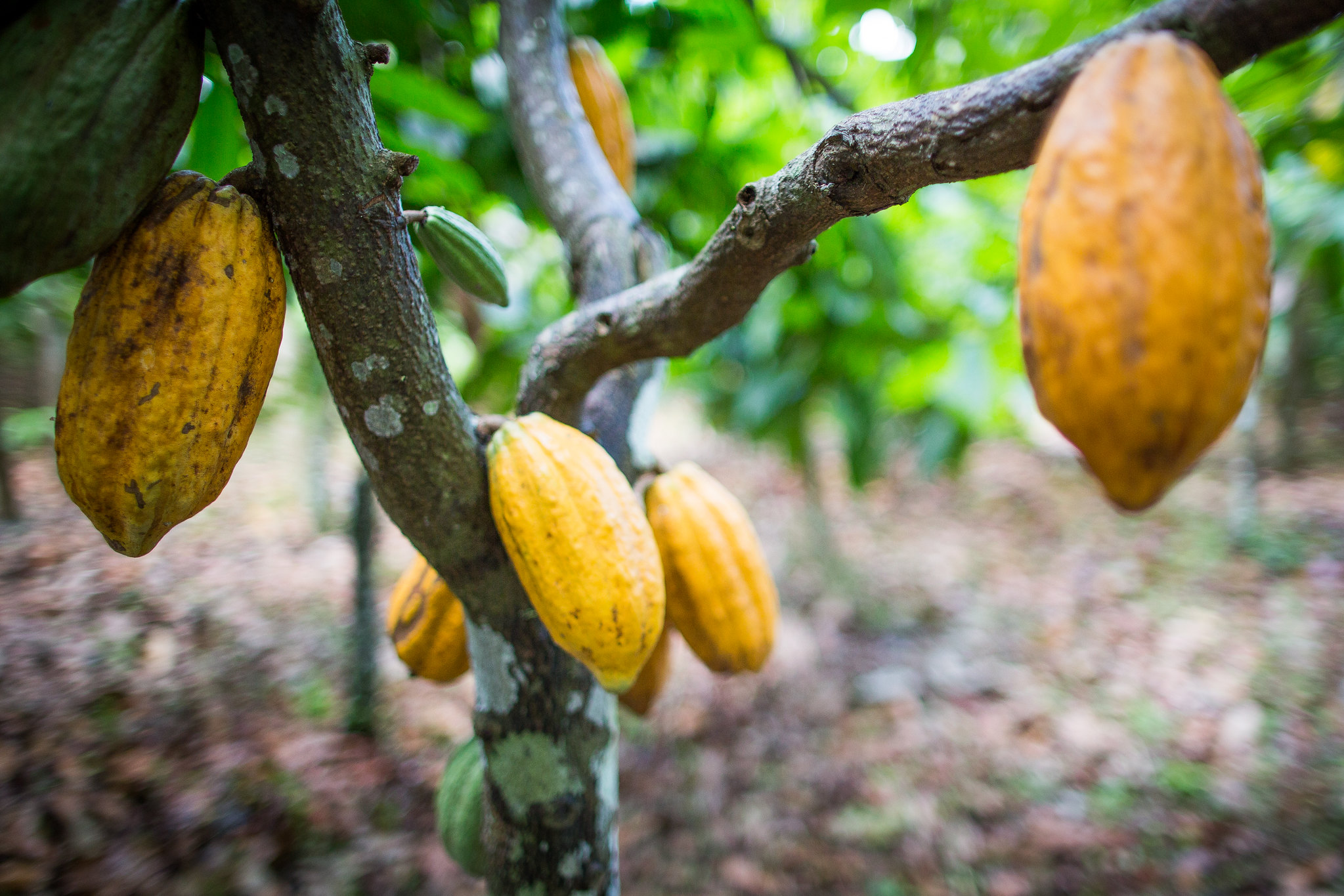
In 2023, the Executive Committee of the Cocoa Farming Plan (Ceplac) celebrates 66 years of sustainable development of cocoa farming based mainly on agroforestry systems in Brazil. With a reference operating model, including an international one, Ceplac brings together vast knowledge in the cocoa value chain, especially in the Atlantic Forest and Amazon Forest biomes.
Linked to the Secretariat of Innovation, Sustainable Development, Irrigation and Cooperatives (SDI/Mapa), the Commission acts as a research agent for the organization, management of more modern processes and improvement in the cocoa production chain. Based on public policies, it guides the generation of innovation and the diffusion and transfer of technology to the cocoa production sector.
One of these policies, with the objective of certifying products from agroforestry systems with cocoa trees (SAF-Cacau), promotes the neutralization of carbon emissions. With the concept brand Cacau Carbono Neutro Brasil, Ceplac encourages the adoption of practices and technologies that not only guarantee, but also quantify carbon sequestration and the mitigation of Greenhouse Gas (GHG) emissions.
Especially in the production process, carbon neutralization becomes a differentiator for the producer, adding value to the almonds and with the potential to also differentiate cocoa-derived products such as chocolate, thus stimulating the entire production chain.
In Pará, a study carried out by the Federal University of Pará in partnership with the Ceplac Cocoa Research Center reported that in the agroforestry system with cocoa trees that was studied, 124 tons of carbon were sequestered per hectare. SAF is one of the most successful technologies for planting cocoa in different regions, even in those where the tree does not occur naturally, making it possible to use the same soil for planting trees or managing them in association with agricultural crops.
In Bahia, a study coordinated by the Arapyaú Institute that involved 17 farms, showed that Cabruca, an agroforestry method of cultivation where native trees shade cocoa trees, sequesters an average of 66 tons of carbon per hectare.
In recent years, Ceplac has also been working to expand cocoa farming to other states and non-traditional cocoa cultivation biomes, such as full sun cultivation in the Caatinga and Cerrado biomes with good productivity results.
For the future, among the challenges taken on by Ceplac are strengthening the research and innovation agenda in partnership with Embrapa and other public and private institutions focused on sustainability and adding value to cocoa farming; the expansion of open innovation through partnerships with the private sector; the expansion of knowledge and technology transfer actions to the production sector; in addition to a closer relationship with the various links in the cocoa chain. All this as an effort to increase the production and productivity of cocoa farming with a territorial focus so that Brazil can once again be among the world's three largest cocoa producers.
This is how, over 66 years, the Executive Committee of the Cocoa Farming Plan (Ceplac) has been developing and disseminating technologies, products, processes and services to increase cocoa productivity, including new cultivars, crop management, fertilization systems and fertigation, bioinputs, genetic resources, quality improvement.
Receive the latest agriculture news by email



Receive the latest agriculture news by email