FMC applies for registration of the herbicide rimisoxafen in Brazil
The active ingredient acts on Groups 12 and 32 and targets resistant weeds in soybeans and corn
28.09.2026 | 17:56 (UTC -3)

China's decision to keep soybeans off the list of products benefiting from the removal of additional tariffs with the United States put pressure on prices in Chicago. Negotiations between the two countries involved approximately $60 billion in trade, divided between the two sides. The agreement included wheat, sorghum, corn, soybean oil, and meat, but did not include soybeans.
The absence of soybeans maintained uncertainty in the international market. China still has until January to advance negotiations. In this environment, soybean contracts retreated in Chicago. The November position lost the $13 level. The July 2027 contract, previously trading above $13,60, began operating near $13,30.
The U.S. harvest has reached 17% of the area. The market expected progress above 20%. Rain in recent days has slowed the pace of work. The historical average also reaches 17%. The condition of the crops remained at 58% between good and excellent. In the previous year, the index reached 62%.
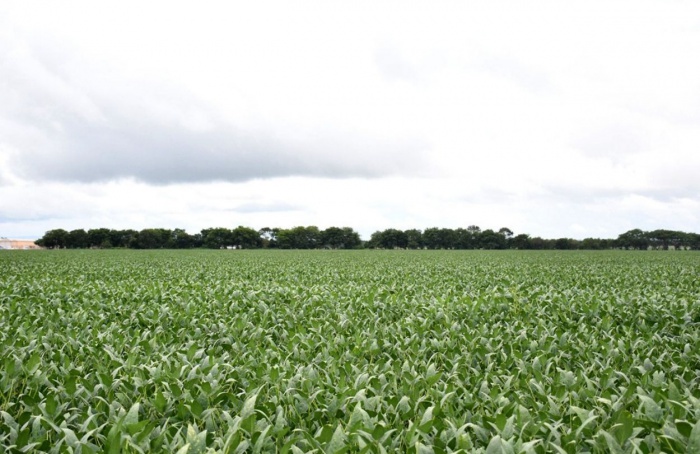
In Brazil, soybean planting is progressing, with Paraná and Rondônia leading the way, followed by Mato Grosso. Paraná has reached approximately 20% of the planted area. Rondônia ranges between 15% and 20%. Mato Grosso is approaching 8%. Mato Grosso do Sul registers close to 5%. Goiás accounts for between 1% and 2%.
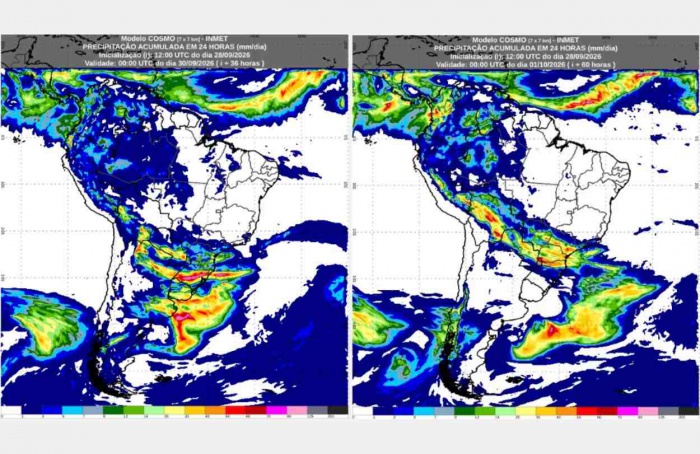
The estimate presented indicates that approximately 5,5% of the Brazilian area has been sown, equivalent to 2,7 million hectares. Paraná has good soil moisture. The rains have opened windows for the rapid advancement of operations.
Soybean crop sales have reached 81,6%. During the same period last year, the index was at 83,6%. The average is 83,7%. The pace of sales has slowed in recent days. The dollar supported domestic prices even in the face of falling prices in Chicago. At the ports, prices ranged between 162 and 166 reais, depending on the delivery month.
Producers still hold approximately 33,2 million tons of the harvest in their possession. The previous year's volume reached 28,1 million tons. For the new harvest, 38,9% of the projected production has already been negotiated. The previous figure was 39,3%, while the average is 40%.
The traded volume of the new crop reached 72 million tons, up from 70,9 million tons the previous year. Barter transactions, exchanges, and forward sales contributed to this result.
Soybean complex exports continue at a high pace. Data from Secex indicates 6,5297 million tons of soybeans shipped in the first 18 working days of September. In the previous September, the monthly total reached 7,3411 million tons.
In the United States, corn harvesting reached 18% of the area. This figure coincides with the historical average, but fell short of the expected 20%. Rain also limited the work. The condition of the crops remained at 57%, between good and excellent. In the previous year, the index reached 66%.
In Brazil, the harvest of the second corn crop is nearing completion. The estimated production reaches approximately 112 million tons. Planting of the summer crop has progressed to approximately 75%. The previous week, the rate was 70%. The average reported is 65%.
Corn exports have slowed due to the increased presence of soybeans at ports and delays in the second crop harvest. In the first 18 working days of September, shipments reached 4,5977 million tons. September of the previous year registered 7,5631 million tons. In the accumulated annual total, corn exports total 19,1 million tons, compared to 21,9 million tons.
The dollar near 5,23 reais favored prices at the ports. Buyers traded between 76 and 78 reais per sack for positions from October to December.
In the wheat market, international contracts for December traded slightly below $7. Global production remains below consumption. In the United States, winter wheat planting reached 27%. The previous year's figure was 32%. The average exceeds 34%. Germination reached 8%, below the average of 11%.
In Brazil, wheat exports totaled 1,0869 million tons year-to-date, compared to 1,5285 million tons in the previous period. Imports also declined. The year-to-date total reached 4,3131 million tons, compared to 5,144 million tons.
In the domestic market, wheat lots in Rio Grande do Sul ranged between 1.440 and 1.450 reais. In Paraná, prices varied between 1.520 and 1.535 reais. At the farm gates, wheat from Rio Grande do Sul was priced between 75 and 78 reais per sack. Wheat from Paraná ranged between 79 and 82 reais per sack. Rain and hail caused losses for producers in some areas.
North American sorghum crops have deteriorated further in condition. Harvesting has reached 29%, compared to an average of 31%. Only 26% of the fields received a good or excellent rating. The previous week, the rate was 27%, and the previous year it was 64%.
The projection presented indicates US production below 7 million tons. Domestic consumption is approaching 6 million tons. This scenario limits the volume available for export.
In Brazil, approximately 3% of the sorghum area remains to be harvested. Production is approaching 7,5 million tons. The cited expectation points to exports of 1,5 million tons or more. Shipments have already begun, while producers are searching for seeds for the next crop after soybeans.
The rice market has entered a period of lower activity. The industry is awaiting restocking from retailers. Quoted prices range between 80 and 87,86 reais per sack, with an indication of 90 reais at the Port of Rio Grande. The dollar near 5,23 reais also provides support for new export deals.
In retail, most brands of five-kilo bags of rice range between 20 and 30 reais. Promotions appear between 18 and 22 reais. Some offers are below 16 reais.
Beans are facing a gap between harvests and reduced supply. The third harvest is nearing its end. Both carioca beans and black beans saw price increases in September.
The best quality carioca beans range from 305 to 320 reais per sack in Goiás and Minas Gerais. In the São Paulo market, prices reach 330 or 340 reais per sack. Commercial carioca beans fluctuate between 290 and 305 reais in Minas Gerais and Goiás. In São Paulo, they reach prices above 310 reais.
Black beans are also experiencing limited supply. The planted area in Paraná has decreased, while cold weather and excessive rainfall have affected production. Quoted prices range between 260 and 280 reais per sack. Sellers mention the possibility of prices close to 300 reais with restocking at the beginning of October. Stocks of carioca and black beans remain low.
Receive the latest agriculture news by email



Receive the latest agriculture news by email