Abapa highlights safety in the launch of Operation Harvest 2026/27
Initiative expands use of technology in monitoring properties and highways in western Bahia.
01.10.2026 | 16:54 (UTC -3)

Harvest progress in the United States and China's absence from negotiations during the Golden Week holiday are putting pressure on agricultural prices in Chicago. Soybeans and corn are registering losses, while the market is monitoring a North American crop with no significant signs of short-term weather problems. In Brazil, exports, marketing, and planting for the new season remain the focus of attention.
In the United States, the soybean harvest has reached approximately 22% of the area. Some farms have already surpassed 30%. More than 80% of the crops have reached maturity. The forecast indicates favorable conditions for machinery work in the next ten days.
Initial productivity data indicates results that are within or exceed expectations. The most optimistic projections cited in the market point to production of up to 125 million tons in the United States.
China also influences prices. The country has entered a long holiday period, with reduced commercial activity and port operations. Furthermore, soybeans remained off the list of products exempt from additional tariffs in the Chinese market.
This set of factors reduced support for prices in Chicago. The nearest positions lost the $13 level. The July 2027 contract, previously trading above $13,50, approached $13. For November, indications appear close to $12,70, with the possibility of approaching $12,50 within the presented scenario.
In Brazil, the exchange rate is limiting some of the external pressure. The dollar reached 5,23 reais. At the ports, the price indications for soybeans between October and December range from 160 to 166 reais per sack.
The marketing of the new crop shows that 39% of the production has been negotiated. In the previous cycle, the rate reached 39,4%. The average is 40,1%. In volume, 72,2 million tons have already been negotiated, compared to 71,1 million tons in the previous year.
Soybean planting is also gaining momentum in Brazil. Sowing has reached 7% of the national area, with more than 3,9 million hectares planted. Paraná leads with 35%. Mato Grosso exceeds 10%, Mato Grosso do Sul reaches 6%, and Goiás reaches 3%. Paraguay shows progress between 50% and 60% of the planned area, according to the information presented.
In the corn market, international pressure increased after the release of US stock figures. The survey indicated 53,2 million tons on September 1st. The market had expected around 48,5 million tons. The difference of nearly five million tons caused prices to fall in Chicago.
The corn harvest in the United States has reached approximately 25%. More than 80% of the crops have reached maturity or are ready for harvest. The advancement of machinery is expected to maintain a high supply in the short term.
In Brazil, corn shipments are expected to close September near six million tons. In September of the previous year, they exceeded 7,5 million tons. From January to September, the country shipped just over 20 million tons, compared to more than 22,5 million tons in the same period of the previous cycle.
Brazil's second crop reaches approximately 112 million tons. Total production, including the first, second, and third crops, exceeds 144 million tons. Domestic consumption could reach around 100 million tons, driven by the animal feed and ethanol sectors. Export projections reach 42 million tons.
Regarding sorghum, the situation of North American crops opens up opportunities to pay attention to the Brazilian product. Approximately 35% of the US crop has been harvested. Only 26% of the crops received a good or excellent rating, compared to 64% the previous year. The estimate presented indicates production of less than seven million tons, compared to domestic consumption close to six million tons.
This scenario limits the export potential of the United States. In Brazil, sorghum shipments were approaching one million tons at the end of September.
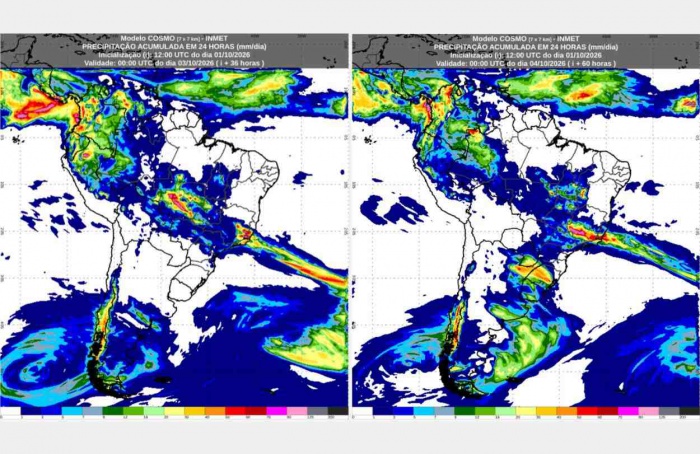
Wheat is also being influenced by lower Chinese activity and the progress of harvests. In the Brazilian market, attention is focused on excessive rainfall. Paraná already has an advanced harvest. Producers with better quality product maintain expectations of firm prices.
Brazilian wheat exports totaled 1,0869 million tons between January and September. In the same period of the previous year, they reached 1,5285 million tons. Imports totaled just over 4,3 million tons, compared to more than 5,1 million tons a year earlier.
In the rice sector, planting is progressing in Rio Grande do Sul, Santa Catarina, and Tocantins. Prices in Rio Grande do Sul range from 81 to 90 reais per sack, depending on the region. The market awaits the resumption of shipments after operational problems caused by storms at the ports.
In the bean market, reduced supply is supporting prices. High-quality carioca beans are reaching prices between 305 and 315 reais per sack in Goiás and Minas Gerais. In São Paulo, prices range from 330 to 350 reais.
Black beans are also experiencing limited supply. Prices range from 260 to 290 reais per sack, while sellers are seeking prices starting at 300 reais. The market is also monitoring the risk of rain affecting crops nearing harvest in the Center-South region.
Receive the latest agriculture news by email



Receive the latest agriculture news by email