Baldan brings credit alternatives to Show Rural 2026
Producers can find barter agreements, consortiums, and financing through the Plano Safra program, in addition to extra incentives for purchases.
12.02.2026 | 17:08 (UTC -3)

The international soybean market reacted this week. Chicago prices rose again, with contracts exceeding US$11 per bushel. Meal and oil drove the increase. The harsh winter in the Northern Hemisphere boosted feed and vegetable oil consumption. India entered the oil buying market, supporting soybean derivatives and providing support for the grain.
In Brazil, premiums fell. Prices in reais varied little. Chinese demand weakened during the week. The focus returned to the Brazilian harvest.
Harvesting is progressing despite weather problems. Mato Grosso is facing excessive rain and registering losses. Conab (National Supply Company) reported a reduction of approximately 3 million tons in the state compared to last year. In Rio Grande do Sul, the estimate has fallen to just over 20 million tons. The initial potential reached 25 million tons. The drought in the South has compromised crops.
Conab indicated a harvest close to 178 million tons. The USDA raised its projection to 180 million in February. The market questioned the number. Private estimates range from 175 to 180 million.
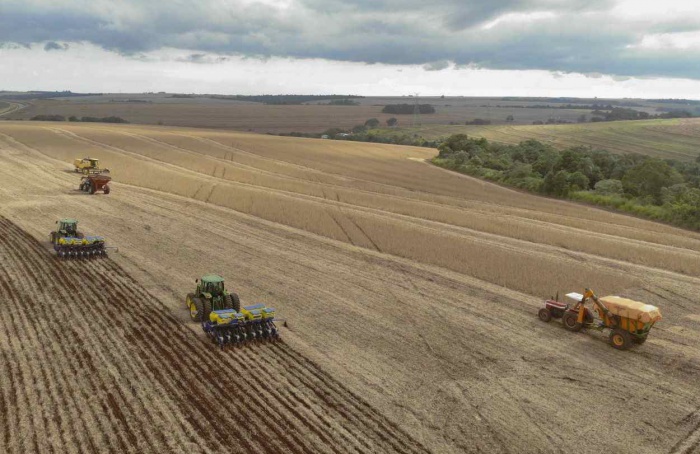
Harvesting has reached 25% of the national area. Mato Grosso leads with approximately 50% harvested. Rondônia reaches 35%. Paraná accounts for 28%. Goiás and Bahia are at 12%. In Rio Grande do Sul, harvesting has not yet gained momentum.
Sales of last year's harvest have reached 96,2% of the harvested volume. This figure remains close to the historical average. The new harvest has 34,5% already sold, a percentage below last year's and the average. Producers are holding back part of the volume. Debts are due by May and could accelerate sales.
Shipments are progressing. The country has already totaled nearly 4 million tons in February. In the same period last year, the volume reached 3 million. The expectation is to exceed 7 million tons for the month.
Corn follows soybean prices. Chicago sustains gains supported by demand for animal feed. The market is operating under the assumption of global consumption exceeding production. Doubts persist regarding the second corn crop in Brazil. Part of the planting is occurring at the end of the ideal window.
Conab projected a total corn harvest of 138,4 million tons. This volume is down from 141,2 million tons in the previous cycle. The state-owned company cut 500 tons compared to January. Exports are expected to reach 46,5 million tons. Domestic consumption is projected at 94,5 million tons. The ethanol sector is increasing demand.
The first crop harvest is nearing 30%. Rio Grande do Sul leads with up to 50%. Santa Catarina is at 35%. Paraná has reached 30%. Planting of the second crop has reached 35% of the area. Conab estimates 17,89 million hectares. Production of the second crop may fall to 109,3 million tons.
Rice prices are holding steady in Rio Grande do Sul. Deals are being made between R$ 53 and R$ 54 on the western border. The market expects shipments exceeding 100 tons in February. The industry is clearing out stocks to make room for the new harvest.
Beans are leading the price increases in the domestic market. Premium carioca beans are exceeding R$ 320 per sack according to sales reports. Commercial beans are trading between R$ 275 and R$ 295, with orders reaching R$ 300. Black beans range from R$ 175 to R$ 190. Conab has reduced its estimate for the first harvest. The area for the second harvest is shrinking. The market anticipates lower supply until May.
By Vlamir Brandalizze - @brandalizzeconsulting
Receive the latest agriculture news by email



Receive the latest agriculture news by email