In July, movement at the Ports of Paraná grew by 6,5%
Among the loads with the largest volume are soybeans, soybean meal and corn
06.08.2025 | 16:45 (UTC -3)

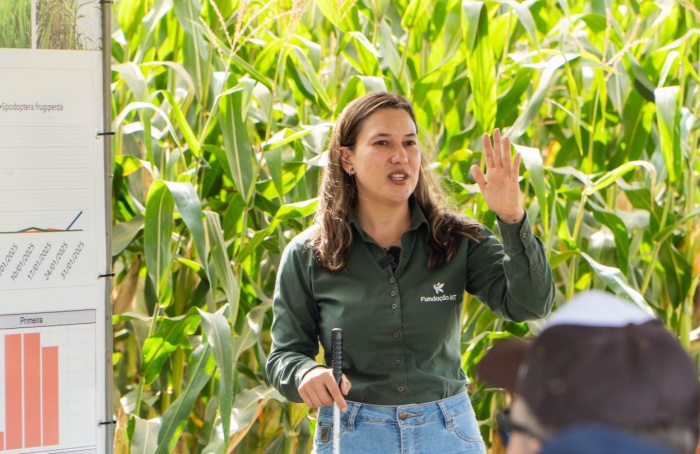
Despite challenges from both the external and internal scenarios, agriculture continues to drive Brazil's GDP. 2026 will be a tumultuous year with elections, but the sector is in a winning phase, growing 9% in 2025 and expected to maintain this rate in 2026, making a positive contribution. Forecasts for this year suggest a 2,2% increase in GDP. This is the assessment of Sergio Vale (pictured), chief economist at MB Associados, who gave a lecture at the Andav 2025 Congress this Wednesday (August 6th). The event, organized by the National Association of Distributors of Agricultural and Veterinary Supplies (Andav), is organized by Zest Eventos and continues until tomorrow, Thursday, August 8th.
Fiscal adjustment is the focal point and should happen in 2027, not because the government wants it, but because the scenario is complicated and, in the economist's understanding, this is essential for the cycle to remain positive.
For Vale, external geopolitical factors play an important role in these predictions, but Brazil has assets of global interest, such as oil, rare earths, and food, and an agricultural sector that accounts for ¼ of its GDP. He also acknowledged that the national economy remains struggling, even with important reforms having been implemented. "The president of the United States uses tariffs because it's what he has at hand without needing Congress, but that doesn't mean it works," said the economist, who bases his analysis on the fact that tariffs impoverish the country, whose economy currently centers on services and depends on imports in many areas.
With rising prices due to tariffs, imported goods cost more, inflation rises in the short term, and the risk of recession increases. Thus, Vale considered that the fiscal package will increase public debt. "The alternative, which we don't know if Trump will accept, is to raise taxes, because there's nowhere to cut spending," he added.
Regarding Brazil, Vale recommended the need to accelerate trade agreements with wealthy countries. "Brazil needs to move away from the 'Trump shock,' and businesspeople must take advantage of our internal dynamics and seek to further reduce their exports to the US. In this sense, agriculture is doing better than industry, but we need to seek new markets. We will suffer in the short term, but we need to be aware that the external turmoil is not our fault," he concluded.
Receive the latest agriculture news by email


Receive the latest agriculture news by email