Viruses and parasitoid venom alter arthropods
Field trial links components of Cotesia glomerata to herbivore and parasitoid colonization
09.08.2026 | 14:26 (UTC -3)
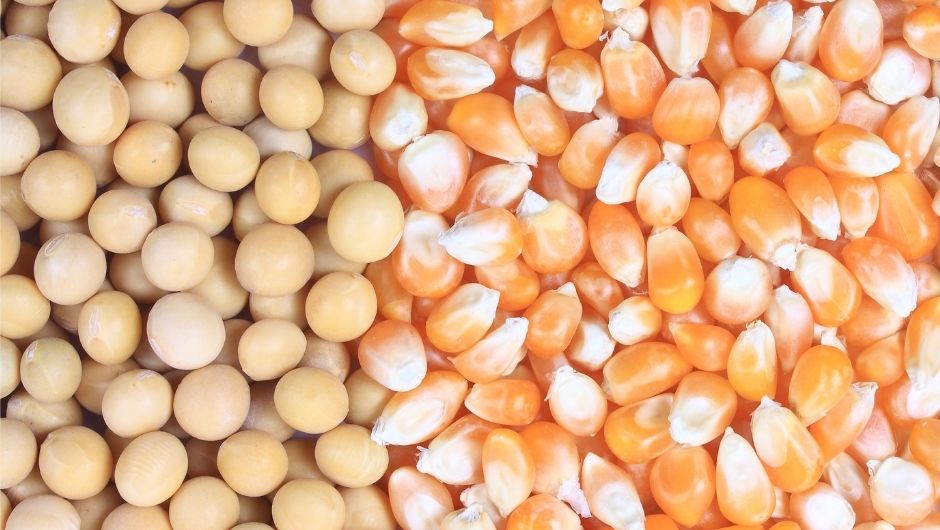
The grain market begins the week influenced by the weather in the United States and the behavior of Brazilian exports. Expectations surrounding the next report from the United States Department of Agriculture (USDA) keep investors attentive, especially in the soybean market, while corn is still feeling the effects of the arrival of the second crop in Brazil.
According to Biond Agro, approximately 62% of American soybean crops are already in the pod formation stage, a phase in which temperature and water availability begin to have a direct impact on productivity. Although there is no confirmation of a crop failure, any change in weather maps tends to trigger an immediate reaction in Chicago prices.
Soybeans gave back some of the gains made in recent weeks following forecasts of improved rainfall in the U.S. soybean belt. This movement reduced the weather premium incorporated into prices, but the market remains cautious.
“Today, the market is much more focused on climate risk than on confirmed production losses. As long as forecasts indicate good rainfall, Chicago tends to find it difficult to sustain stronger price increases,” says Isabella Pliego, intelligence and strategy analyst at Biond Agro.
According to her, demand continues to be a relevant supporting factor, especially with the resumption of Chinese purchases of new American soybeans. "China has returned to the market and this helps maintain a floor for prices, even in an environment of greater global supply," she adds.
In Brazil, corn prices remain under pressure due to the large supply from the second crop. The later harvest in some regions is spreading the arrival of the product over more weeks, but this has not yet been enough to change the price picture.
According to Biond, the main limiting factor for a more consistent recovery continues to be export performance, as Argentina and the United States appear more competitive in the international market.
"Domestic demand is helping to absorb some of the supply, mainly due to the growth in corn consumption for ethanol in the Midwest, but this is still not enough to trigger a stronger recovery in prices," says Isabella.
In addition to the international market, the exchange rate has once again gained importance in price formation in Brazil. Biond assesses that the dollar continues to be supported by the domestic fiscal environment and the proximity of the election calendar, while high interest rates and export flows still offer support to the real.
“A stronger dollar can offset some of the international decline and support the price in reais. Therefore, producers need to monitor the exchange rate with the same attention they dedicate to Chicago,” concludes the analyst.
According to the advisory team, the outlook for the coming weeks remains volatile, with the weather in the United States, the pace of Brazilian exports, and the behavior of the dollar continuing to be the main factors influencing soybean and corn prices.
Receive the latest agriculture news by email


Receive the latest agriculture news by email