Inmet: weather forecast for Thursday (October 1st) and Friday (October 2nd)
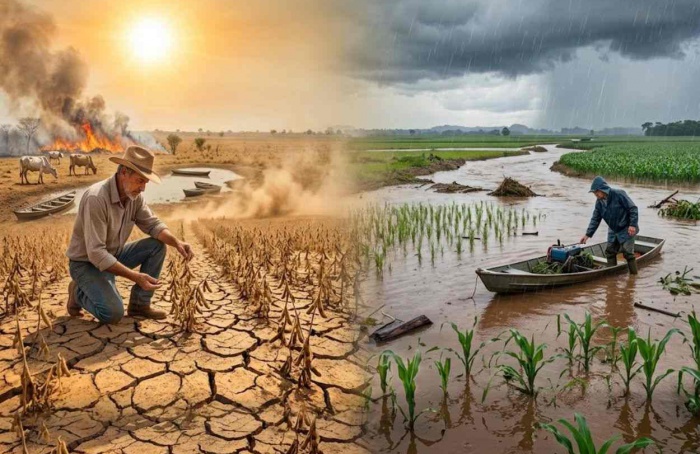
A cold front is increasing instability in the Central-West and Southeast regions, with a risk of storms and hail.
30.09.2026 | 17:05 (UTC -3)
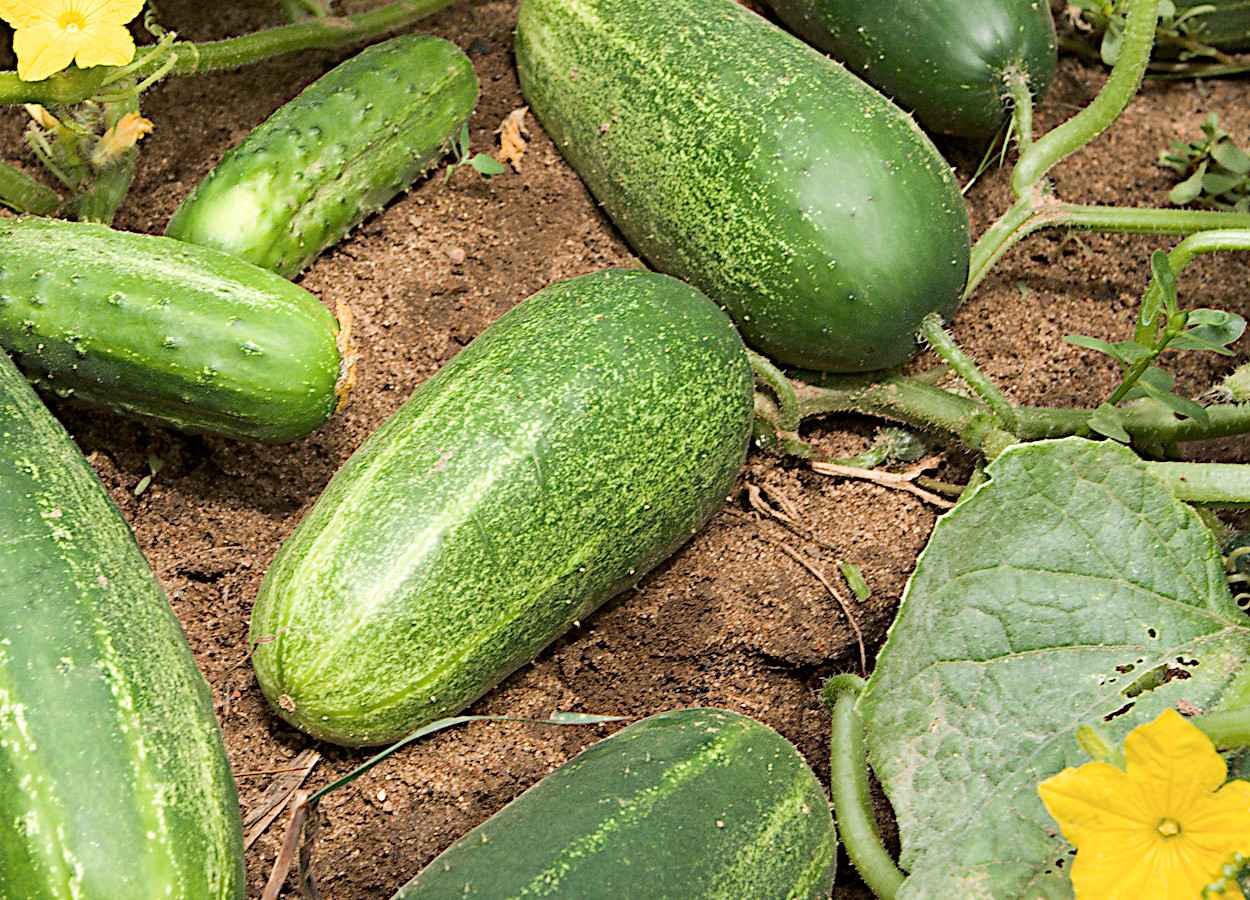
Supplementation with UV-B radiation increased cold tolerance in cucumber seedlings without significantly reducing biomass under the evaluated conditions. The effect depends on the CsUVR8 photoreceptor and involves greater flavonoid accumulation and increased antioxidant capacity.
Researchers exposed seedlings to different light spectra for seven days. Then, they subjected them to 4 degrees Celsius for two days. Blue and red lights also increased cold tolerance, but blue light reduced the fresh and dry mass of the plants. UV-B reduced the area of leaves damaged by cold and shortened the hypocotyl, a characteristic that the authors consider desirable in seedlings. High doses caused damage and increased mortality. The selected protocol applied 20 microwatts per square centimeter for 20 minutes every two hours, over a 16-hour day.
In tobacco leaves (Nicotiana benthamiana) expressing cucumber protein, UV-B radiation promoted the conversion of CsUVR8 from the dimeric to the monomeric form and favored its accumulation in the core. Cucumber plants with CsUVR8 inactivated by CRISPR-Cas9 had a compromised response to UV-B: in them, the radiation did not increase flavonoids or cold tolerance.
Transcriptomic and metabolomic analyses pointed to flavonoid biosynthesis as a central pathway of the response. Application of the flavonoid hesperetin to the leaves attenuated cold damage, although with a smaller effect than UV-B. In mutants lacking functional CsUVR8, hesperetin partially restored cold tolerance, which UV-B failed to do.
CsUVR8 interacts with the transcription factor CsPIF3, and UV-B radiation intensifies this interaction. Activated by radiation, CsUVR8 promotes the degradation of CsPIF3. CsPIF3 represses genes linked to flavonoid production, including CsCHS, CsCHI-L, and CsF3H. The reduction of CsPIF3 releases the expression of these genes.
Mutants lacking CsPIF3 exhibited higher flavonoid content and greater cold tolerance. Individual silencing of CsCHS, CsCHI-L, and CsF3H in these mutants reduced this effect.
In melon and watermelon, the proteins equivalent to UVR8 and PIF3 also interacted with each other. In these species, treatment with UV-B increased the flavonoid content and cold tolerance. The results are indicative of conservation of the mechanism among cucurbits, although mutants in these species have not been tested (doi 10.1093/hr/uhag411).
Receive the latest agriculture news by email



Receive the latest agriculture news by email