External risks increase volatility for agricultural commodities
Rabobank forecasts rising oil prices, exchange rate uncertainty, and a slowdown in the Brazilian economy in 2026
25.08.2026 | 17:57 (UTC -3)
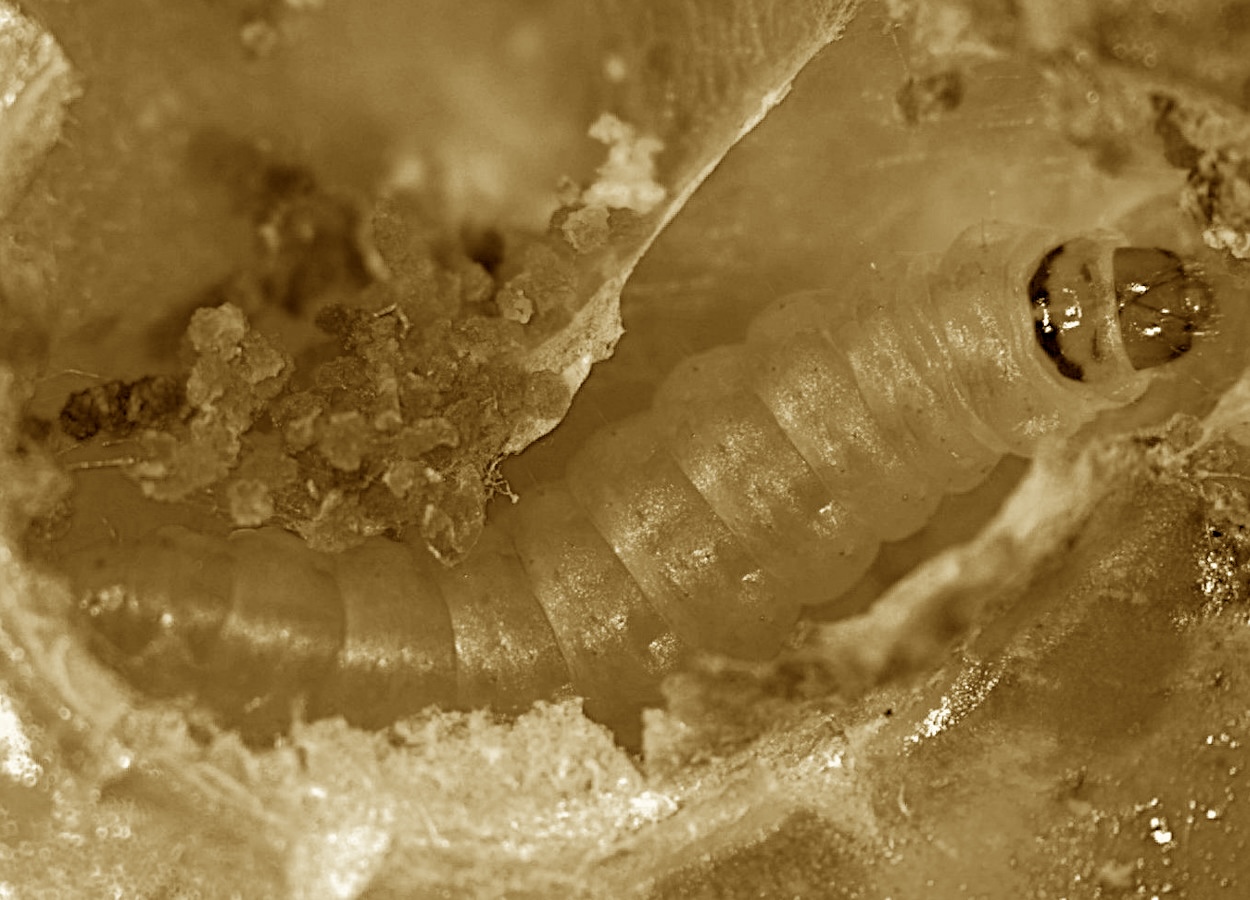
Researchers have identified a mechanism used by the tomato leafminer (Tuta absoluta, Phthorimaea absoluta) to reduce the defenses of tomato plants. The caterpillar releases the protein TaCRVP through oral secretion. This effector enters plant cells and acts on the catalase SlCAT2. This action reduces the accumulation of hydrogen peroxide and weakens defense responses associated with jasmonic acid, without altering salicylic acid levels.
TaCRVP accumulates at feeding sites, reaches peroxisomes, and physically interacts with SlCAT2. Glutamine located at position 51 of TaCRVP has been shown to play an essential role in this binding. Substitution of this amino acid eliminated the interaction and the effector's ability to suppress the oxidative response.
The mechanism acts on two fronts. TaCRVP promotes the formation of SlCAT2 tetramers, a configuration associated with catalase activity. This increases the decomposition of hydrogen peroxide. The protein also protects SlCAT2 from degradation by the 26S proteasome. To do this, it competes with the ubiquitin E3 ligase SlAdBiL for interaction with catalase. The effector also binds, to a lesser extent, to catalases SlCAT1 and SlCAT3, a redundancy that sustains the suppression of hydrogen peroxide even in the absence of SlCAT2.
Reducing TaCRVP through RNA interference increased responses mediated by hydrogen peroxide, jasmonic acid, and jasmonoyl-isoleucine. Caterpillars consumed less leaf area and gained less weight on tomato plants. The effect on weight did not appear on an artificial diet, a result indicative of a specific protein function in overcoming plant defenses.
Plants with higher SlCAT2 expression showed less hydrogen peroxide accumulation and better caterpillar performance. Lines with inactivated SlCAT2 showed the opposite response, but also reduced growth, indicating the physiological cost of total enzyme loss. Therefore, the authors propose editing the catalase binding interface, rather than silencing the gene, as a breeding strategy. The study points to the SlCAT2-SlAdBiL module as a component of tomato plant resistance and a possible molecular basis for the development of cultivars resistant to Tuta absoluta (doi 10.1002/advs.77331).
Receive the latest agriculture news by email



Receive the latest agriculture news by email