Inmet: weather forecast for Thursday (October 1st) and Friday (October 2nd)
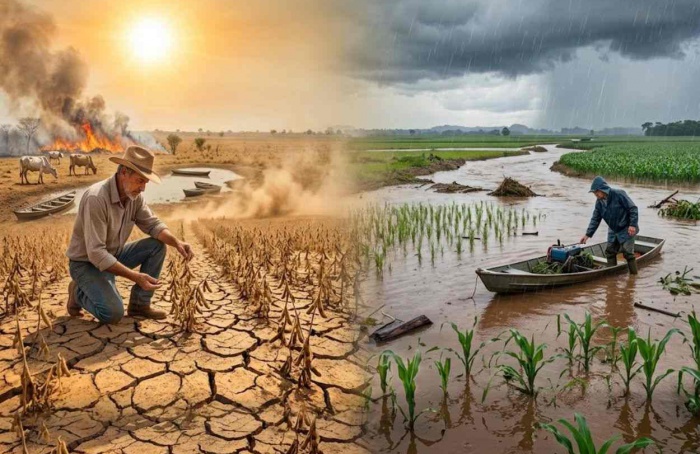
A cold front is increasing instability in the Central-West and Southeast regions, with a risk of storms and hail.
30.09.2026 | 17:05 (UTC -3)
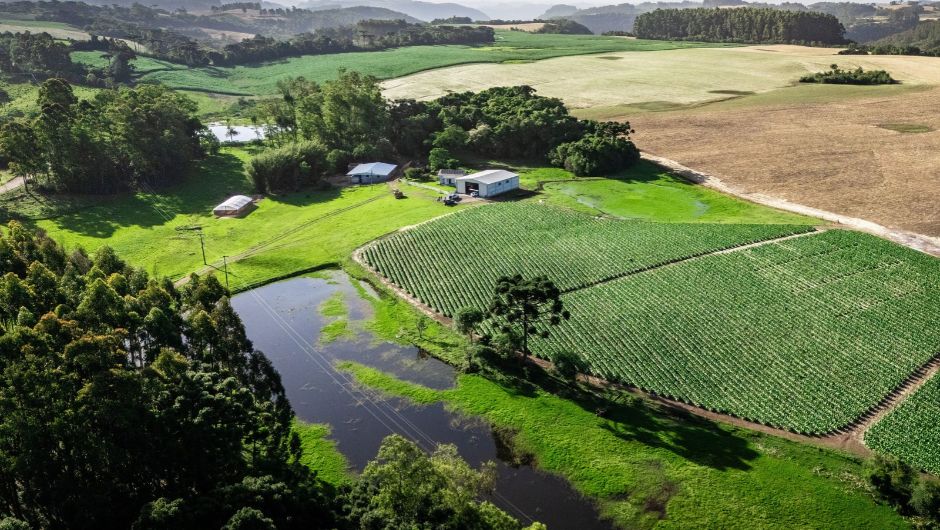
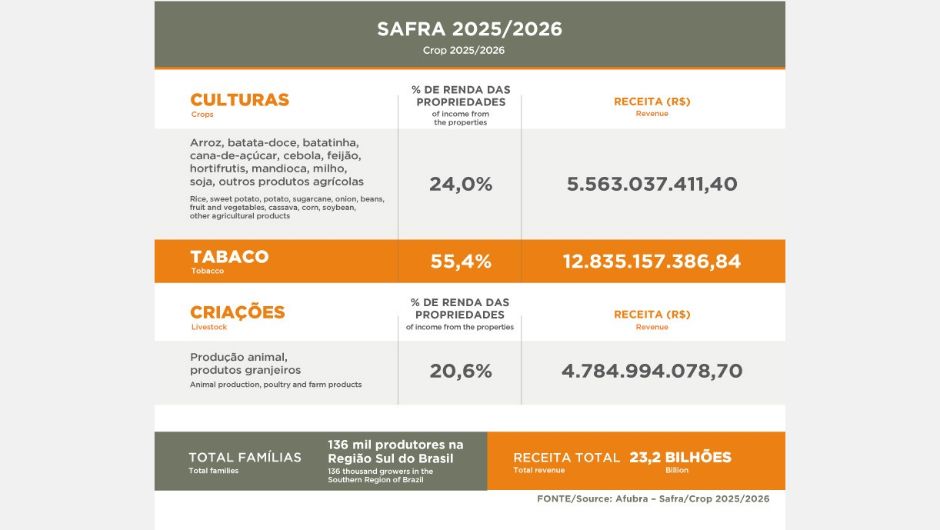
The "Tobacco is Agriculture: Diversification of Properties" program, which encourages crop and income diversification, is yielding robust results and demonstrates that producers are, in fact, diversified. Data released by the Brazilian Tobacco Growers Association (Afubra) shows that the 136 tobacco producers in the 2025/2026 harvest earned R$ 5,56 billion from agricultural products other than tobacco, representing 24% of farm income. Livestock and poultry products, in turn, generated R$ 4,78 billion for producers, representing 20,6% of farm income.
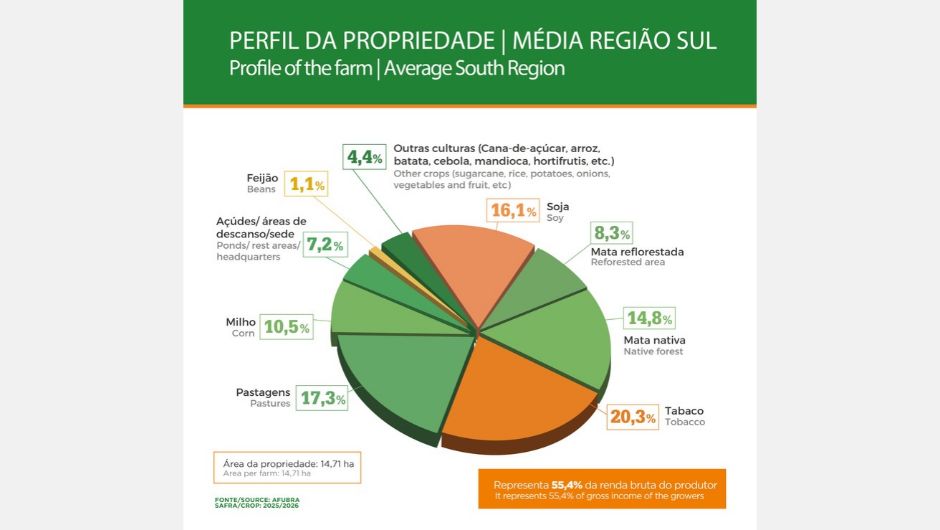
Tobacco remains the most profitable crop, representing 55,4% of total earnings, which exceeded R$ 12,8 billion in the 2025/2026 harvest, and occupying 20,3% of the farm area. Total producer income in the last harvest was R$ 23,2 billion, demonstrating that diversification is a reality on farms, which average 14,71 hectares. The main crops present, in addition to tobacco, are pastures (17,3%), soybeans (16,1%), and corn (10,5%), as well as forest for energy purposes (8,3%). Native forest occupies, on average, 14,8% of the farms.
According to the president of the Interstate Tobacco Industry Union (SindiTabaco), Valmor Thesing, the fact that tobacco is the most profitable crop contributes to the permanence of rural producers in the countryside and to the quality of life in regions with small rural properties. “Through the Integrated Tobacco Production System, producers are assisted in the economic management of their businesses, further improving their diversified properties,” he says. “With a consolidated production chain, the crop continues to be an important economic pillar for thousands of small producers,” explains the executive.
Diversification in tobacco-producing properties is a tradition in the sector. Since 1985, the then Corn and Bean Program was created with the objective of encouraging grain cultivation after the tobacco harvest, taking advantage of residual fertilization and providing more income for small producers. From 2014 onwards, the program was taken over by SindiTabaco, expanding its reach to the entire sector in Southern Brazil. Over time, new practices were incorporated, keeping pace with the realities of the properties and stimulating different ways of using the areas after tobacco cultivation. In 2017, the program also began to encourage the planting of forage crops for pasture, adopting the name Corn, Bean and Pasture Program after Tobacco Harvest.
In 2025, the program was renamed: Tobacco is Agriculture: Diversification of Properties. The change reinforces the objective of further stimulating diversification and valuing a production chain committed to sustainable production before, during, and after tobacco cultivation. Currently, the program is conducted by SindiTabaco and its associated companies with the support of representative entities of producers and the governments of the states of Rio Grande do Sul, Santa Catarina, and Paraná.
“The program’s trajectory demonstrates continuous evolution. What began with incentives for corn and bean cultivation has expanded to include pastures and other crops, and currently values the diversification of properties as a whole. Different crops, livestock, and forms of land use coexist with tobacco cultivation, contributing to income generation and the efficient use of available resources,” comments the program coordinator, Fernanda Viana Bender.
In addition to contributing to income generation and food production, diversification can bring benefits to farm management. These include:
R$ 23,2 billion total income from tobacco-producing properties
R$ 10,35 billion in income from crops and livestock = 44,6% is diversification.
R$ 5,56 billion generated by other crops
R$ 4,78 billion generated by animal farming and poultry products.
Receive the latest agriculture news by email



Receive the latest agriculture news by email