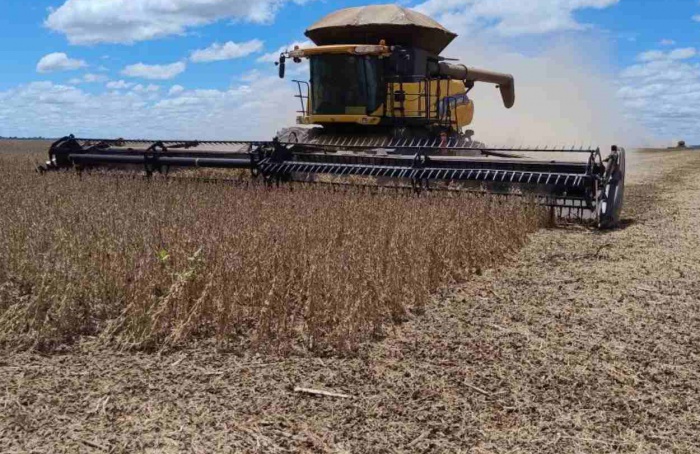
The soybean planting ban occurs from June to September in Mato Grosso.
Sedesc's regulations maintain the dates adopted in the previous harvest; non-compliance may result in fines and penalties.
27.05.2026 | 15:45 (UTC -3)
Ana Frutuoso, Cultivar Magazine edition
The soybean phytosanitary calendar in Mato Grosso for the 2026/27 crop season remains unchanged following the publication of a new Joint Normative Instruction from the State Secretariat for Economic Development (Sedec) and the Mato Grosso Agricultural Defense Institute (Indea-MT). Therefore, the sanitary break will occur from June 8th to September 6th, 2026, and soybean planting will be authorized between September 7th, 2026 and January 7th, 2027.
The update formalizes measures for the prevention and control of Asian soybean rust in the State, but preserves the dates previously established by Normative Instruction No. 002/2025. The Federation of Agriculture and Livestock of Mato Grosso (Famato System) advises rural producers to pay attention to the deadlines and obligations stipulated in the state legislation on plant health defense.
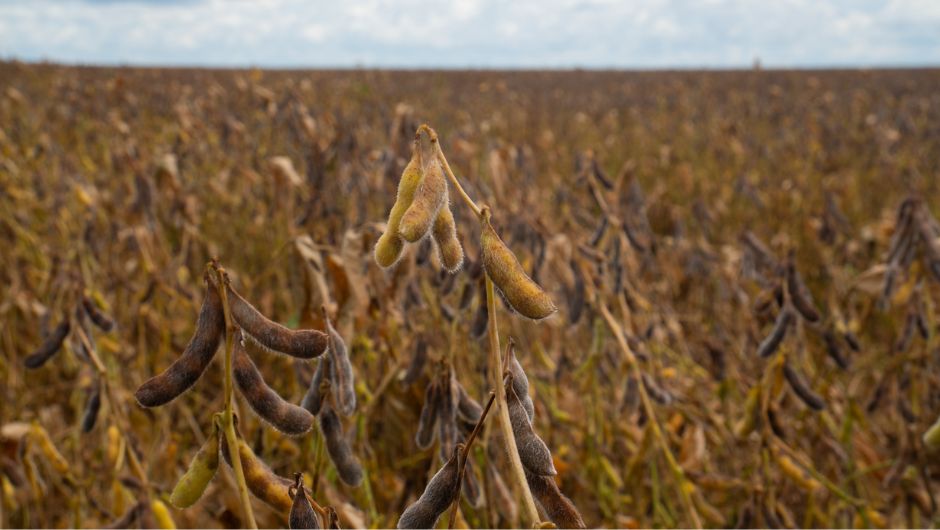
During the fallow period, the presence of live soybean plants is prohibited in fields, roadsides, storage areas, and other locations where spontaneous germination may occur. This measure is considered one of the main strategies to reduce the survival of the fungus. Phakopsora pachyrhizi, which causes Asian soybean rust, between one crop and the next.
Obligations and rules
Among the producers' obligations is the elimination of so-called "volunteer" plants, which are those that germinate spontaneously after harvest. Control must be carried out within the fallow period to prevent these plants from serving as a green bridge for the maintenance of the disease in the field.
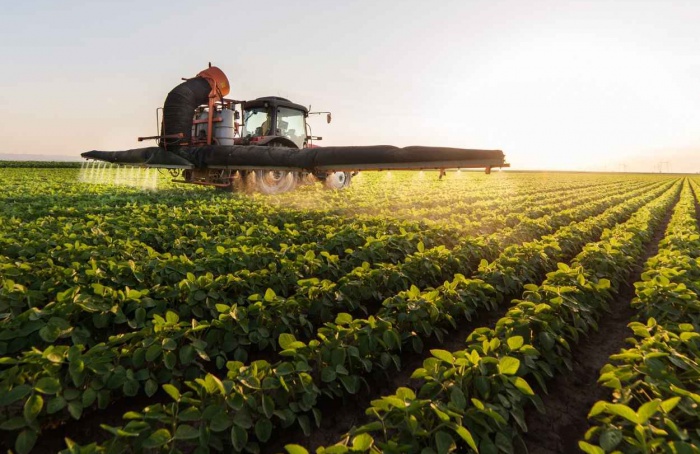
Another point stipulated in the regulations is the continuous monitoring of crops to identify Asian soybean rust. If the disease is detected, the producer must implement immediate control measures. The rules also cover the transportation of soybean grains and seeds, which must be properly packaged to prevent spills on highways and public roads.
According to Alex Rosa, a technical analyst for Agriculture at Famato, inspections may result in notifications when volunteer or undesirable plants are identified as not complying with regulations. "Failure to comply with the measures outlined may lead to notifications, destruction of irregular areas, fines, and other penalties stipulated in state plant health protection legislation," he explains.
Asian soybean rust is considered one of the most severe diseases affecting soybean crops. Plant protection periods and adherence to phytosanitary measures help reduce the fungus's survival, decrease disease pressure in fields, and preserve the sustainability of agricultural production in Mato Grosso.