External risks increase volatility for agricultural commodities
Rabobank forecasts rising oil prices, exchange rate uncertainty, and a slowdown in the Brazilian economy in 2026
25.08.2026 | 17:57 (UTC -3)
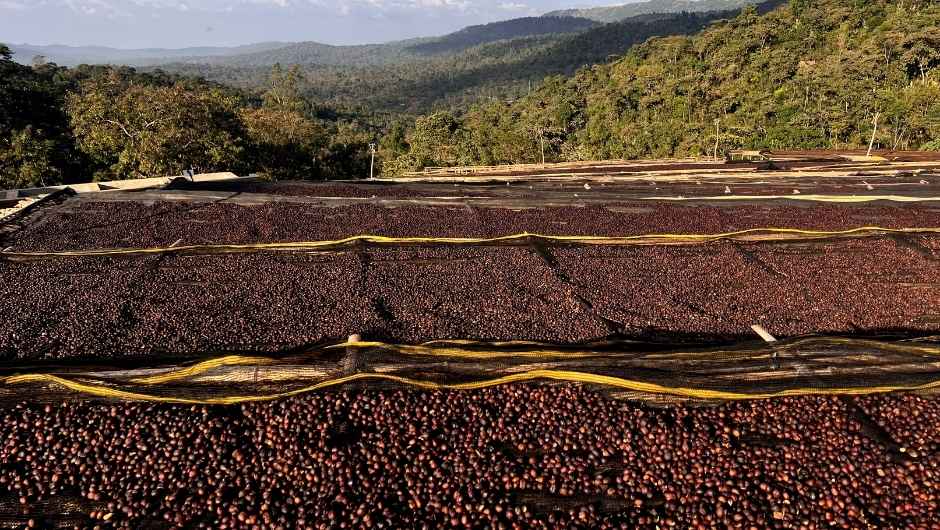
Rain is forecast for important coffee-growing regions in southeastern Brazil, requiring producers to pay attention, especially during the final stages of harvesting and the drying of the beans. At this stage of the crop, rainfall can compromise the efficiency of field operations, increase the risk of quality losses, and hinder post-harvest handling.
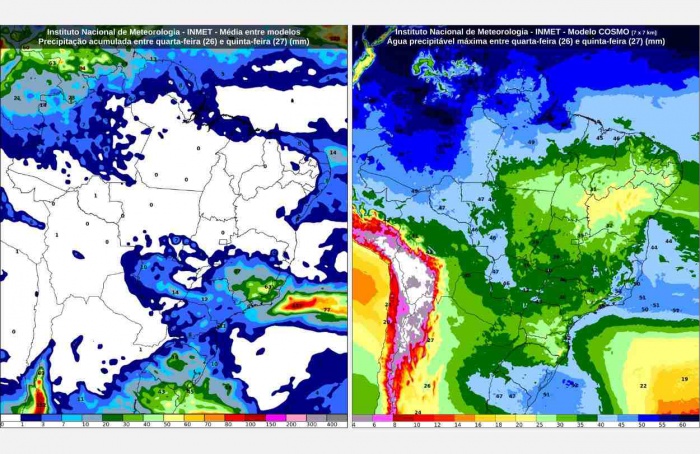
According to the forecast from the American Global Forecast System (GFS) model, released by the National Institute of Meteorology (Inmet) and valid between August 26 and September 11, 2026, significant rainfall accumulations may reach parts of the main coffee-producing areas in the Southeast Region.
In Minas Gerais, the highest rainfall volumes are expected in the South of Minas and the Serra da Mantiqueira mountain range. In the Cerrado Mineiro region, rainfall is expected to vary significantly spatially, with lower accumulations in the northern sector and more significant volumes in the central, southern, and southwestern areas. In the Matas de Minas region, precipitation is also expected to be irregular, with a tendency for higher volumes in the southern sector. In the Chapada region, there should be a predominance of dry weather or low and localized accumulations.
In São Paulo, rainfall is expected to reach producing areas of Alta Mogiana, the Pinhal region, Mogiana, and the central-west of São Paulo state, with accumulations generally between 40 and 80 mm. Volumes exceeding 100 mm may occur in isolated areas along the northern coast of the state, outside of a significant part of the São Paulo coffee belt. In the affected producing regions, the rain may temporarily reduce the availability of favorable days for harvesting operations and for drying the beans.
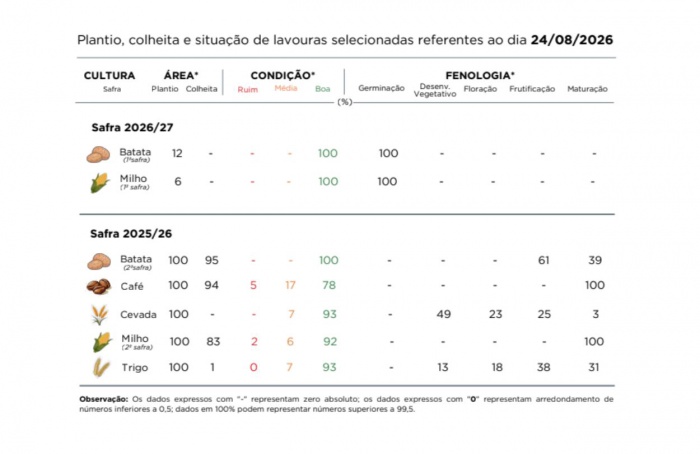
The change occurs after a period marked by predominantly dry weather and high temperatures, conditions that favored the ripening, harvesting, and drying of coffee. According to the Weekly Monitoring of Crop Conditions, published by the National Supply Company (Conab) on August 17, 2026, weather conditions were favorable for harvesting in the Southeast Region.
For the 2026 harvest, Conab estimates a national production of 66,7 million 60 kg bags, a volume more than 18% higher than that recorded in 2025.
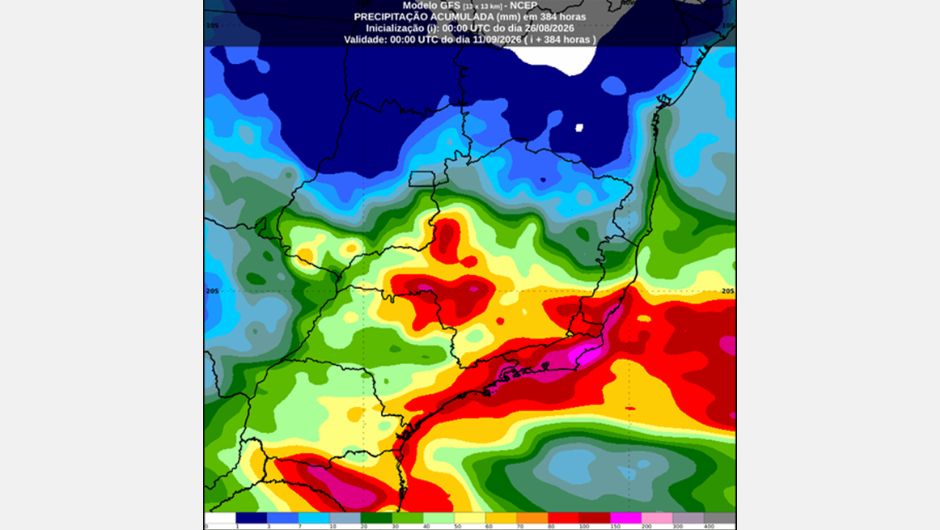
In the affected areas, the rains may temporarily interrupt the harvest, hinder the movement of workers and machinery, and compromise the drying of coffee on patios. The presence of ripe fruit on the plants or in the soil, as well as the wetting of batches in the drying process, requires attention, as prolonged periods of humidity can favor unwanted fermentations and compromise the quality of the beverage.
The impacts are not expected to be uniform across the entire Southeast Region due to the uneven distribution of rainfall and differences in the harvest stage. It is recommended to monitor the weather forecast and local conditions of the fruits, grains, soil, and drying yards. As this is an extended-term forecast, the location and volumes of rainfall may change in future updates.
In addition to the effects on the harvested crop, Inmet points out that the return of the rains could influence the start of the next production cycle. During the dry period, the flower buds remain dormant and, when they are physiologically mature, the rapid rehydration promoted by the rain can stimulate their opening, resulting in punctual or early flowering, a phenomenon known as 'flowering rain'.
From an agrometeorological point of view, an early flowering is not necessarily beneficial or detrimental. Its effects depend mainly on the replenishment of soil moisture and the continuity of rainfall in the following weeks. A new drought after flowering can cause uneven flowering and compromise the initial fruit set. On the other hand, maintaining adequate water conditions favors fruit set and initial fruit development.
The institute emphasizes the importance of continuously monitoring weather forecasts and warnings in order to support decision-making in agriculture, reducing operational risks and optimizing the planning of field operations.
Receive the latest agriculture news by email



Receive the latest agriculture news by email