Nanoformulation enhances emamectin action in study
A strategy using acetic acid reduced particles to 7 nanometers and increased penetration into leaves and roots
14.06.2026 | 15:50 (UTC -3)
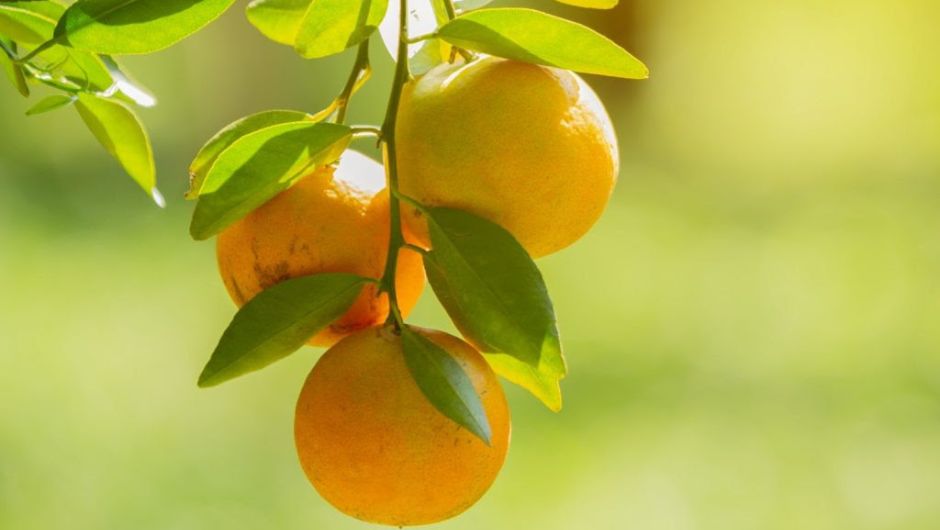
Citrus producers in the State of São Paulo have until July 15th to submit to the Agricultural Defense agency the semi-annual report with the results of inspections for citrus canker and HLB/greening carried out between January 1st and June 30th, 2026. Submission is mandatory and must be done through the Animal and Plant Health Management System (Gedave).
According to the Secretariat of Agriculture and Supply (SAA), the information is fundamental for monitoring the incidence and spread of diseases in São Paulo's orchards, contributing to the direction of phytosanitary defense actions and the formulation of public policies aimed at citrus farming.
In São Paulo, submitting the report is required for all citrus producers, regardless of the age of the plants. Delay or failure to submit the document may result in penalties under state law.
In addition to the mandatory reporting, citrus growers must be aware of the new rules for the prevention and control of HLB/greening established by Resolution SAA No. 32/2026. Among the changes is the requirement for bi-weekly monitoring of the psyllid (Diaphorina citri), the insect vector of the disease, in orchards of any age.
The regulation also establishes the regionalization of municipalities in São Paulo according to the incidence of the disease. In areas classified as having a high incidence, mandatory eradication will only be required for plants up to three years old. In municipalities with a low incidence, the elimination of contaminated plants remains mandatory regardless of age.
Considered the main threat to global citrus farming, HLB/greening has no cure and affects all citrus species. Citrus canker, caused by bacteria, causes lesions on leaves, fruits, and branches, potentially compromising orchard productivity.
Receive the latest agriculture news by email


Receive the latest agriculture news by email