Lula signs environmental licensing law with 63 vetoes
Government says changes guarantee environmental protection without sacrificing legal certainty
08.08.2025 | 15:59 (UTC -3)
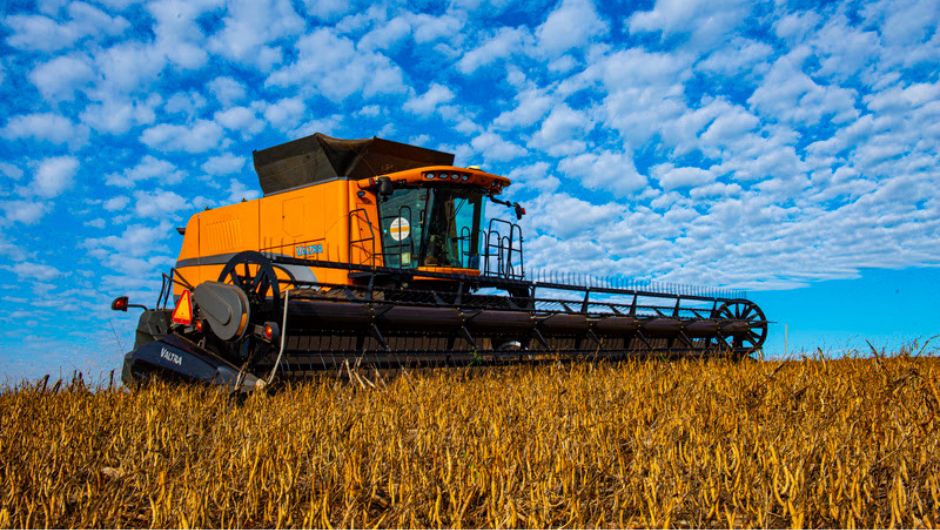
As the agricultural calendar advances, producers across the country are already preparing for the 2025 harvest, which promises to be one of the largest in history. According to the IBGE (Brazilian Institute of Geography and Statistics), grain production is expected to reach 333,3 million tons this season, representing a 13,9% increase over the previous year. Given this scenario, adequate preparation of the equipment that will be at the heart of operations becomes even more important.
Harvesters, responsible for crucial steps such as cutting, threshing, separating, and cleaning grains, operate under high demands and need to be in top condition to ensure productivity and avoid losses.
For Rodrigo Domingues, After-Sales Manager at Valtra, an AGCO group brand, pre-harvest inspections are essential to maintaining the harvest schedule. "Harvesters are robust, but they face intense workloads in the field. Pre-harvest inspections are preventive checks to avoid technical failures that could compromise grain quality and lead to significant financial losses," he emphasizes. According to him, a Class 4 harvester, such as the Valtra BC4500, has an average productivity of 8 to 10 tons per hour. This means that a single day of machine downtime can result in the loss of up to 80 tons of grain, representing an estimated loss of approximately R$150.
In the field, each type of crop requires a specific machine configuration. The market offers combine harvesters in different classes—generally from 4 to 10—which vary according to size and operational capacity. While the more compact models are well suited to medium-sized properties, the larger combine harvesters are designed for large-scale operations, with advanced connectivity and performance features. "Regardless of the category, proper operation depends on proper and preventative maintenance performed at least two months in advance," emphasizes Domingues.
More advanced models, such as the Valtra 800 Series, already incorporate threshing, separation and cleaning systems, as well as digital monitoring and autopilot tools, which help reduce downtime in continuous and large-scale operations.
Machine preparation is a strategic stage of the harvest and must be done in advance. During the technical inspection, items such as belts, bearings, sensors, filters, and electrical and hydraulic components are checked, as well as any damage typical of the off-season, such as debris buildup, structural wear, and pest infestation. According to Domingues, this preventive care is essential to avoid unexpected interruptions and generate savings during the harvest.
Receive the latest agriculture news by email



Receive the latest agriculture news by email