




Mosaic reports a loss of US$72 million in the third quarter
The result contrasts with a profit of US$411 million in 2025; Brazilian operations register a drop in sales
03.11.2026 | 19:01 (UTC -3)
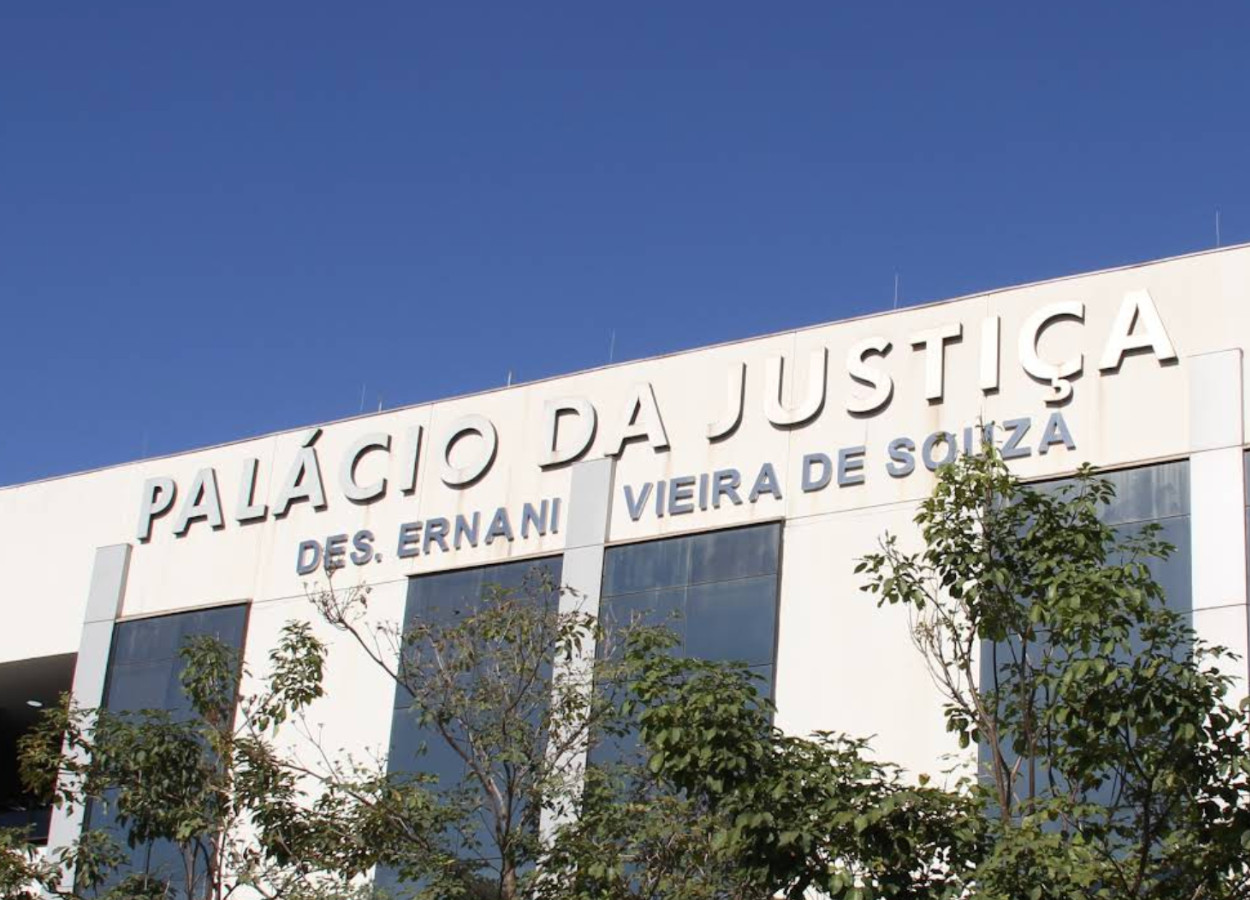
The Second Chamber of Public and Collective Law of the Court of Justice of Mato Grosso, analyzing an interlocutory appeal, overturned a lower court decision and authorized the use of 1.407 hectares of farmland in São Félix do Araguaia. The decision also removed restrictions on rural credit, the suspension of tax incentives, and a daily fine of R$ 5. The judges acknowledged the existence of administrative obstacles in the state's environmental regularization system.
The process involves a legal reserve deficit on the property, the subject of a public civil action filed by the Public Prosecutor's Office of Mato Grosso. The court of first instance prohibited the economic exploitation of the area corresponding to the environmental liability. It also ordered the suspension of financing from official credit institutions and tax benefits.
The decision by the TJMT (Court of Justice of Mato Grosso) considered the fulfillment of the environmental obligations assumed by the property. The property has a validated Rural Environmental Registry (CAR) in the process of regularization and has been part of the Environmental Regularization Program (PRA) since May 2018. At that time, those responsible made commitments to recover permanent preservation areas and compensate for the deficit in legal reserves.
According to the court documents mentioned in the decision, the property submitted four biannual environmental monitoring reports, all validated by the Mato Grosso State Secretariat for the Environment (Sema-MT). The most recent technical survey indicated 99,2% native vegetation cover in the regenerating areas. The same survey recorded extensive regeneration of native tree species.
The main controversy involved the compensation for the legal reserve. According to the opinion of Judge Mario Roberto Kono de Oliveira, Sema-MT (the Mato Grosso State Secretariat for the Environment) did not have a fully operational module in the Mato Grosso Rural Environmental Registry System (Simcar) to receive, process, and approve compensation projects outside the property.
Given the limitations, the state government published decrees Sema nº 1.762/2025 and nº 854/2026. These regulations extended the deadline for submitting and adapting compensation projects covered by environmental commitments until December 31, 2026.
The rapporteur deemed the imposition of an embargo inappropriate while the administrative deadline remained in effect. He also highlighted the absence of accusations of new deforestation or recent environmental degradation on the property.
The public civil action seeks compensation related to the historical use of the area with a legal reserve deficit, including lost ecological profits, economic benefits, and collective moral damages. The court determined that there were insufficient grounds to justify the immediate halt of productive activities during the analysis of the case.
The ruling also considered the economic effects of the restrictions. The ban on cultivating 1.407 hectares, coupled with the blocking of financing, could compromise crop costs, production planning, jobs, and the commercial commitments of the rural enterprise.
According to Leandro Amaral, from the law firm Amaral e Melo Advogados, responsible for defending rural producers, the decision highlights the importance of distinguishing between non-compliance with environmental obligations and the difficulties faced by producers who have already adhered to legal regularization mechanisms.
“What the TJMT (Court of Justice of Mato Grosso) unanimously recognized is something that every rural producer who complies with the law needs to hear: the state cannot punish those who are up to date with their environmental obligations simply because the public system itself failed to process the final stage,” he explained.
The court partially upheld the interlocutory appeal. The decision authorized the continuation of agricultural and forestry activities, dismissed the daily fine, and ordered the cancellation of any embargo registrations resulting from the injunction in Simcar.
The judges, however, upheld the decision to register the existence of the public civil action in the property's registration. This measure aims to publicize the process and protect third parties interested in any transactions involving the property.
The defense also requested recognition of res judicata, based on a previous Conduct Adjustment Agreement, judicially approved in October 2025. Another request sought the exclusion of the partners from the lawsuit. The TJMT (Court of Justice of Mato Grosso) did not examine these issues because they had not yet received a decision from the first instance court.
The trial only examined the provisional measures imposed on the property. The main public civil action, number 1000099-11.2026.8.11.0017, remains in progress.
Receive the latest agriculture news by email



Receive the latest agriculture news by email