Embrapa identifies bacteria that fix nitrogen in cotton
Microorganisms have shown potential to replace some nitrogen fertilizers and generate new bio-inputs
10.08.2026 | 18:00 (UTC -3)

Syngenta Seeds anticipates business growth in the coming months, following a period marked by falling soybean and corn prices, high interest rates, and restricted credit. The company is betting on a new business model to strengthen its relationship with producers and is preparing biotechnologies for corn and soybeans for the next decade.
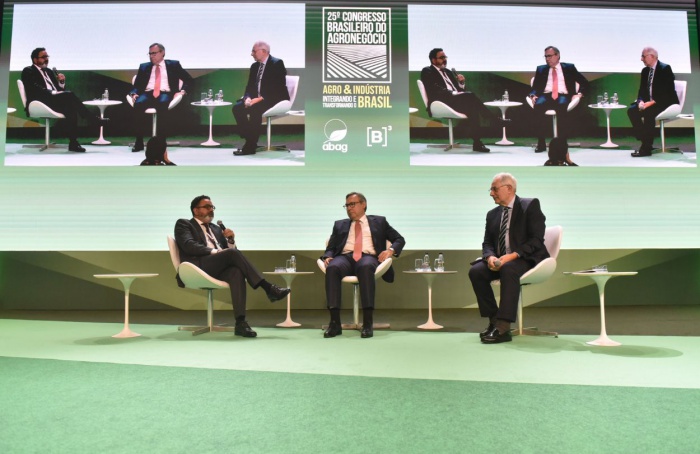
According to Frederico Barreto, Commercial Head of Syngenta Seeds, who gave an interview during the Andav 2026 Congress, the current scenario has reduced profitability and slowed planting decisions. The company is monitoring possible changes in summer corn, second-crop corn, and soybean areas. For the coming months, Barreto expects greater clarity based on planting windows and weather forecasts.
In 2024, the company began a shift in its market access strategy. Syngenta Seeds replaced its own sales force with franchises that offer commission-based compensation. The model prioritizes demand generation, field presence, and technical positioning of its products.
According to Barreto, the structure increased proximity to farmers and fostered knowledge of production environments. This factor gains importance in the positioning of hybrids due to the germplasm's response to growing conditions.
In the soybean sector, the company increased its investments in Golden Harvest, a brand focused on licensing. The strategy includes a sales force dedicated to supporting multipliers. Professionals associated with the NK brand also began promoting commercial opportunities for soybeans through an automated lead generation system.
Syngenta Seeds is also testing new biotechnologies. In corn, the company plans to launch, at the beginning of the next decade, a technology aimed at increasing protection against lepidopteran pests.
For soybeans, the projects have a longer horizon. The company is researching technologies with herbicide tolerance, broadening the spectrum of control, and protection against soybean rust. The materials undergo field testing before regulatory stages and a possible commercial launch.
Receive the latest agriculture news by email


Receive the latest agriculture news by email