Abapa highlights safety in the launch of Operation Harvest 2026/27
Initiative expands use of technology in monitoring properties and highways in western Bahia.
01.10.2026 | 16:54 (UTC -3)

Super El Niño has become the main climate factor for the global sugar market, according to the latest report from Hedgepoint Global Markets. While India and Thailand face increasing drought and heat stress, rains in Brazil could prolong disruptions to the current harvest. This combination increases risks to sugar availability in the short term and could support the March 2027 contract.
According to the report, most meteorological agencies expect the phenomenon to peak between the end of 2026 and the beginning of 2027, creating a divergence between the main producing regions.
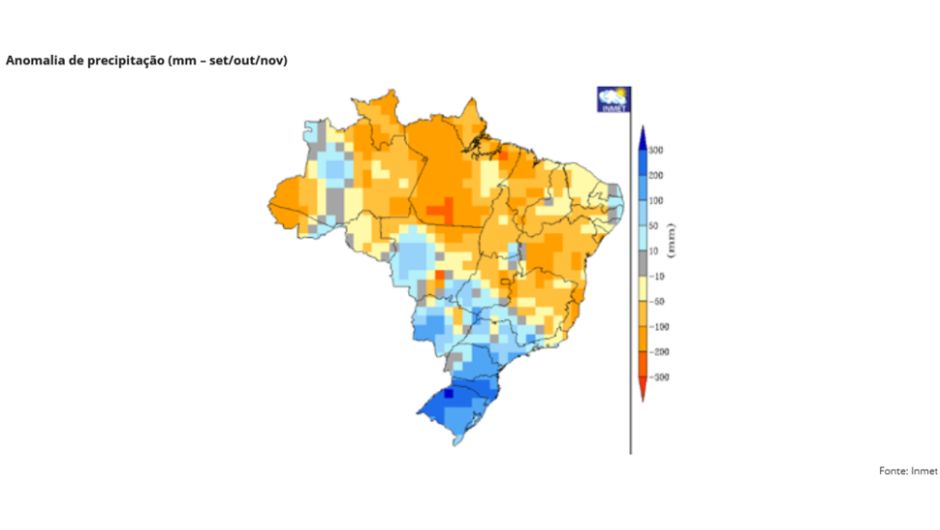
Brazil continues to experience extensive rainfall, unlike other producing countries that suffer from drought. Forecasts suggest above-average rainfall across most of the Center-South region between October and December – spring and the beginning of summer – with distinct effects on the current harvest and the development of the next crop.
“In the short term, additional rainfall will likely prolong harvest disruptions, reduce ATR levels, and decrease operational efficiency,” says Lívea Coda, Market Intelligence Coordinator at Hedgepoint. “This same moisture favors sugarcane development for the 2027/28 crop, potentially improving production prospects.”
Hedgepoint's estimates already consider some impact on Total Recoverable Sugar (TRS) and the sugarcane harvest. Even so, current rainfall forecasts carry a risk of downward revision. More restricted availability in the fourth quarter of 2026 and the first quarter of 2027 could provide additional support for the March contract.
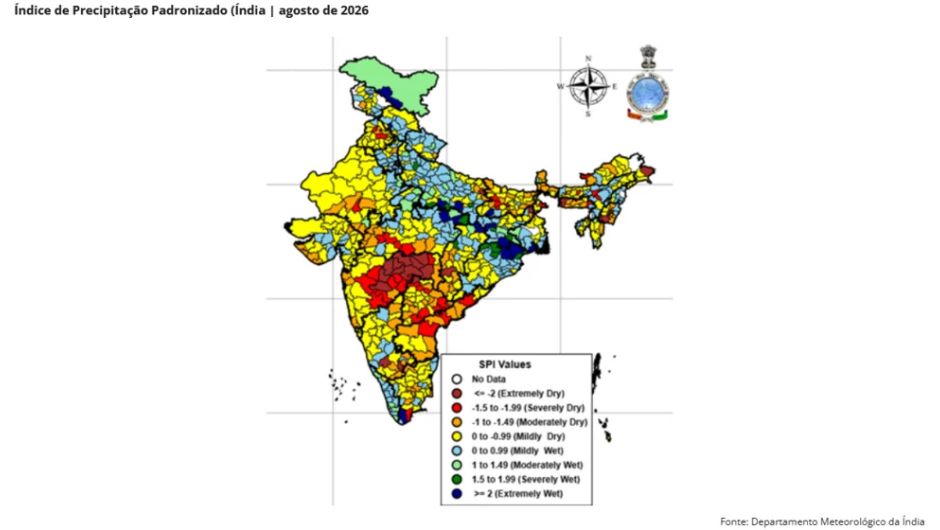
The Indian monsoon ended significantly below average, with severe deficits concentrated in Maharashtra and Karnataka, two major producing states. Elevated temperatures increased crop stress during the most critical period of sugarcane development, raising concerns about yields, sugar recovery, and milling efficiency.
"This suggests that the country may need new import quotas during the 26/27 crop season," says Lívea.
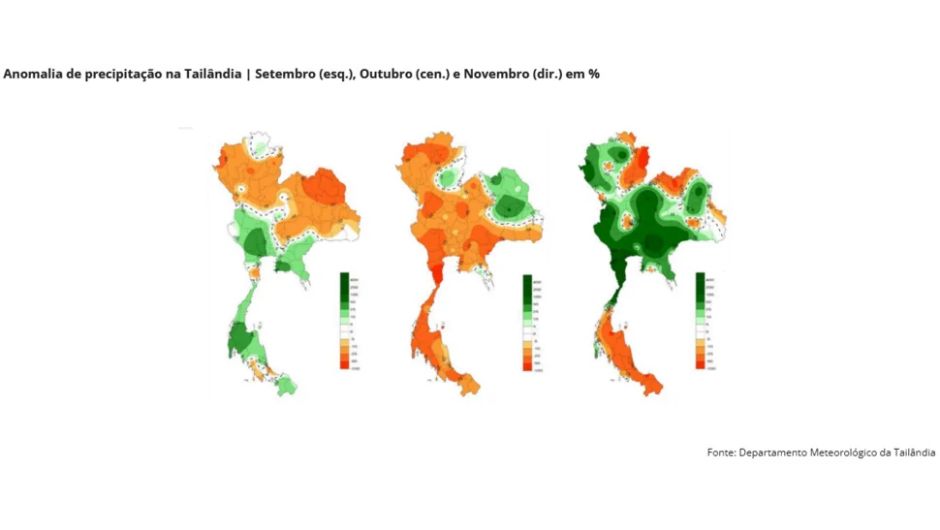
Thailand faces a similar situation, with forecasts predicting below-normal rainfall and above-average temperatures through early 2027. The heavy reliance of irrigated sugarcane production on rainfall means that the combination of moisture deficits and heat poses a substantial risk to both productivity and sugar content.
Rainfall forecasts for November may still be positive for sugarcane development and may limit any idea of bringing forward the harvest. Therefore, the expectation is that the country will only begin harvesting in December.
In Indonesia, the outlook is less detrimental for the current crop, although concerns remain regarding future production. The rainy season is expected to arrive later and be shorter than normal in much of the country, particularly in Java, one of the main sugarcane-producing regions.
The impact on sugarcane currently being harvested should be limited. However, the reduced replenishment of soil moisture may restrict the development of future regrowth crops, potentially resulting in a need to increase their demand for sugar in the international market in 26/27, after a year of reduced dependence.
In the European Union, sugar beet suffered from an exceptionally hot and dry summer. Hedgepoint revised its sugar production forecast from 13,8 million to 13,1 million tons, a 17% drop compared to the 2025/26 crop and a volume 2,2% below the European Commission's figures.
Wetter conditions since the end of August have provided some relief in the final stages of crop development, although excessive rainfall in the fall could hinder harvesting.
Mexico presents a more balanced outlook, with wetter conditions predicted in some producing regions and drier weather in others. Veracruz, the main producing state, is located in a transition zone between these patterns, which increases uncertainty about the effects of El Niño on the 2026/27 crop.
The 2025/26 harvest ended below initial expectations and, compared to previous harvests marked by this phenomenon, the country is likely to be heavily affected. Hedgepoint considers its expectation of 4,6 million tons of sugar for 2026/27 to be conservative.
Receive the latest agriculture news by email



Receive the latest agriculture news by email