Abapa highlights safety in the launch of Operation Harvest 2026/27
Initiative expands use of technology in monitoring properties and highways in western Bahia.
01.10.2026 | 16:54 (UTC -3)
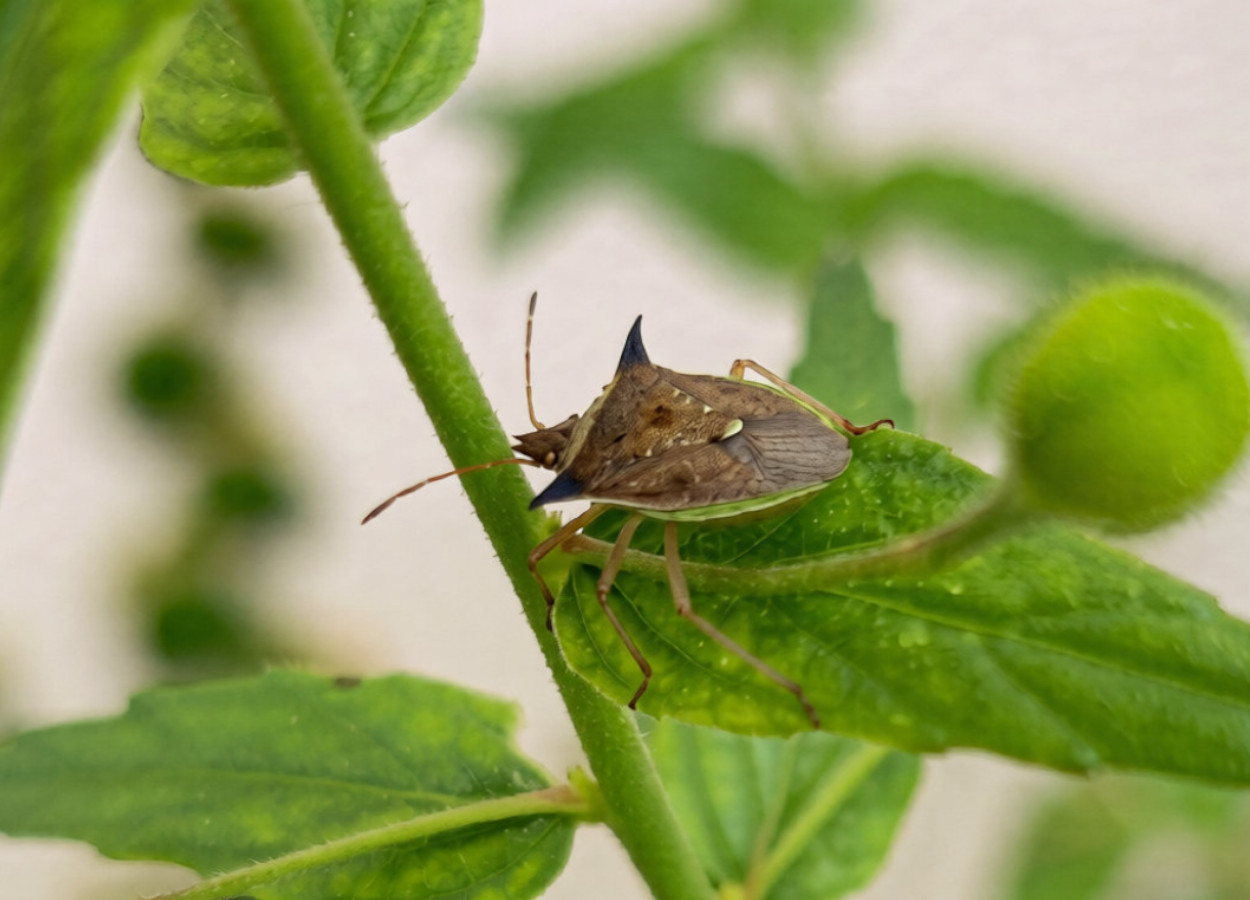
Researchers propose the preliminary adoption of two adult Diceraeus melacanthus per meter as a control level for corn grown in the Antecipe system. This value aims to reduce the risk of losses caused by the stink bug during corn emergence. The study recorded significant damage at all pest densities tested and reduced productivity at the highest density. The work also points to the need for validation of the limit in commercial crops, different regions, and corn hybrids (doi 10.1007/s13744-026-01439-x).
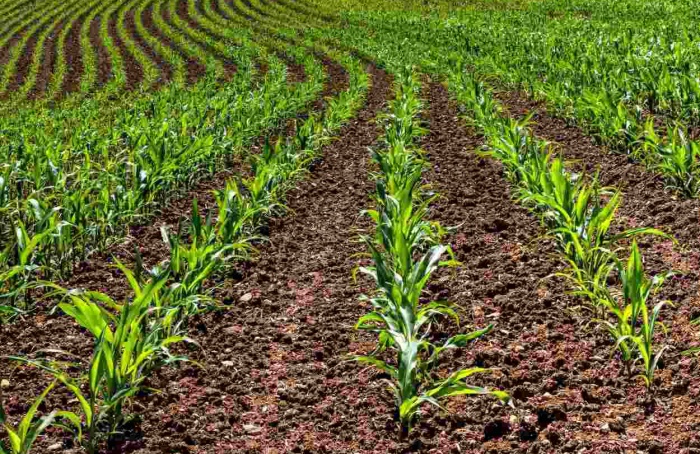
The Anticipate system allows corn to be sown between the rows of soybeans while they are still in the reproductive phase. Planting occurs between 15 and 20 days before the oilseed harvest. This strategy can reduce the soybean-corn system cycle by up to 20 days. Anticipating planting widens the planting window for the second corn crop and reduces the crop's exposure to drought and frost at the end of the cycle.
However, the overlap of the two crops also maintains a green bridge for phytophagous insects. In this scenario, Diceraeus melacanthus finds host plants during the transition between soybean and corn. The simultaneous presence of the crops may favor the population's persistence in the agroecosystem during the period of greatest vulnerability of corn seedlings.
The study evaluated the pest's preference between senescent soybeans and newly emerged corn. It also measured damage and productivity under four infestation densities. The experiments took place in Londrina, Paraná, between 2024 and 2025.
In the preference assay, ten adult Diceraeus melacanthus were released into cages with a soybean plant and a corn plant. The corn was at the VE stage. Evaluations took place over three days, at 8:30 am, 12:30 pm, and 16:30 pm.
The insects remained in greater numbers on the soybeans in most of the evaluations. The result is noteworthy because Diceraeus melacanthus is usually described as a species associated with grasses, especially corn. The researchers believe that the diet used in the laboratory rearing may have influenced the choice. The nymphs were fed soybean grains, which may condition the dietary preference of the adults.
The distribution also varied throughout the day. At 8:30 am, the cooler period, the stink bugs appeared more evenly distributed between the two crops. From 12:30 pm onwards, the soybean crop concentrated a greater number of individuals.
Researchers associate this daily variation with microclimate differences between plants. Soybeans at the R7 stage have a taller and denser canopy compared to corn seedlings. This structure may offer greater humidity and lower temperatures during warmer periods.
The increased presence of the pest in soybeans did not eliminate the risk to corn. The data indicated activity of Diceraeus melacanthus on the cereal, with a tendency for greater presence in the early morning. According to the researchers, soybeans can act as a supporting host and keep the pest close to the corn during emergence.
The field experiment evaluated densities of zero, one, two, and four adults per meter. The treatments were housed in six-by-four-meter cages. Infestation occurred when the corn reached the VE stage. Damage assessments began six days later and continued ten and thirteen days after infestation.
The presence of bed bugs increased the intensity of the injuries. The average damage was close to zero in the treatment without bed bugs. Densities of one, two, and four insects per meter reached averages of 2,0, 2,4, and 2,5, respectively, on a scale of zero to four, with no statistical difference between them. Even the lowest density caused significant damage.
The damage also progressed over time. Ten days after the infestation, all treatments with bed bugs exceeded an average score of 2,0. At 13 days, the lowest density, with one insect per meter, reached a score of 2,75. This score was close to the results found in the larger populations.
Productivity responded to pest density. The treatment without infestation produced 9.108,9 kilograms per hectare. A density of four stink bugs per meter resulted in 7.615 kilograms per hectare. The difference corresponded to a reduction of 1.494 kilograms per hectare, or 16,4%.
Treatment with two stink bugs per meter produced 7.979,6 kilograms per hectare. This result occupied an intermediate position and showed no statistical difference compared to lower densities or the higher population. Researchers interpret this point as a possible transition between plant tolerance and the ability to compensate for damage.
Based on these results, the study proposes two adult Diceraeus melacanthus per meter as the most conservative control level for the Antecipe system. The previous reference cited in the work indicates three stink bugs per meter for second-crop corn grown after soybeans, without considering the overlap between crops.
Management in the Anticipate program also needs to consider the mechanical damage caused by soybean harvesting to corn seedlings. This factor was not evaluated in the experiments. Studies cited by the researchers indicate that this stress can reduce leaf area and the plants' recovery capacity. The association between mechanical injuries and feeding by Diceraeus melacanthus can amplify the impact on the initial development of the cereal.
Control strategies applied at the end of the soybean cycle also have limited reach. A previous study cited in this work showed that insecticide applications at this stage and pre-harvest desiccation did not reduce subsequent infestations in corn. For the researchers, the risk is mainly linked to the continuity of host plants in time and space. This condition is intensified in the Anticipate program and reduces the margin for decision-making in management.
The use of the new limit still requires caution. The infestation experiments were conducted in cages. Researchers recommend validation under open field conditions, under different climatic conditions and with other corn varieties. The study also highlights frequent and early monitoring, respecting the insecticide safety interval before soybean harvest, seed treatment, and the use of more tolerant corn cultivars as components of integrated pest management.
The study was conducted by scientists Weidson Plauter Sutil, Letícia Carolina Chiampi Munhoz, and Adeney de Freitas Bueno.
Receive the latest agriculture news by email



Receive the latest agriculture news by email