Biological control of Tetranychus urticae varies with temperature.
Combined use of Phytoseiulus persimilis and Amblyseius swirskii enhances control in strawberry plants.
29.03.2026 | 17:13 (UTC -3)
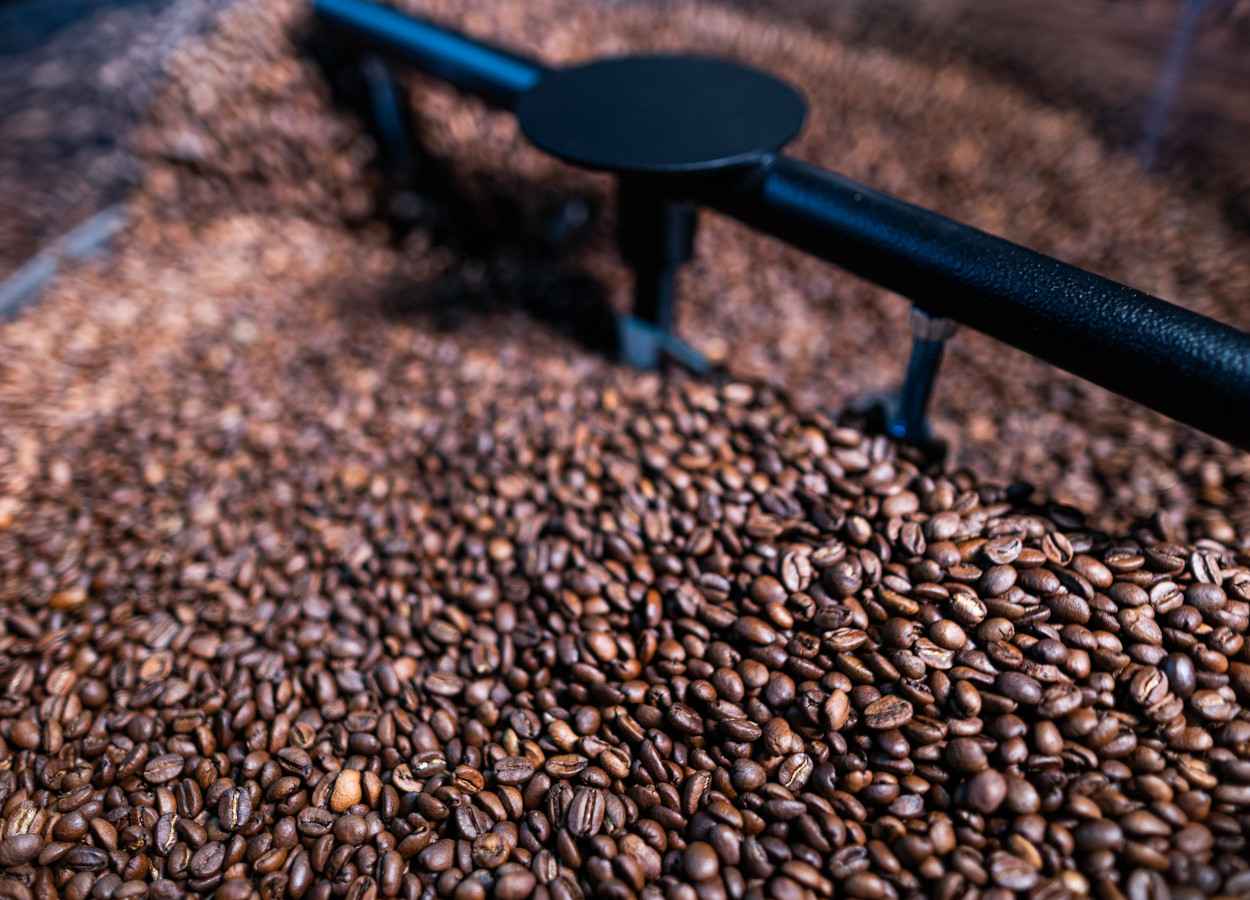
Research evaluated the agronomic performance of Coffea arabica In the southern United States, with a focus on Florida, the study presented the first analysis of the viability of coffee cultivation in the region. The work tested four main cultivars, measured productive potential, and gathered initial data on coffee yield and quality.
Scientists propose coffee as a higher-value alternative for subtropical areas, provided it is properly managed. The study also developed a preliminary economic model. The analysis integrated agronomic performance, production costs, and revenue projections to estimate the crop's potential among local producers.
This study begins with a scenario of high relevance to the North American market. Coffee prices have risen but supply has become less regular in recent decades. The United States, the world's largest consumer, depends on international supply chains to meet its domestic market needs. In this context, domestic production emerges as an option to strengthen the resilience of supply in the long term.
In addition to agronomic and economic results, the study identified goals, limitations, and challenges for coffee cultivation in Florida. The list includes climate constraints, market segmentation, soil characteristics, and management requirements.
Further information can be found at doi.org/10.1002/csc2.70270
Receive the latest agriculture news by email


Receive the latest agriculture news by email