Honeybees dominate flowers and drive away other pollinators
Study identifies direct competition of Apis mellifera for shared floral resources
13.09.2026 | 15:52 (UTC -3)
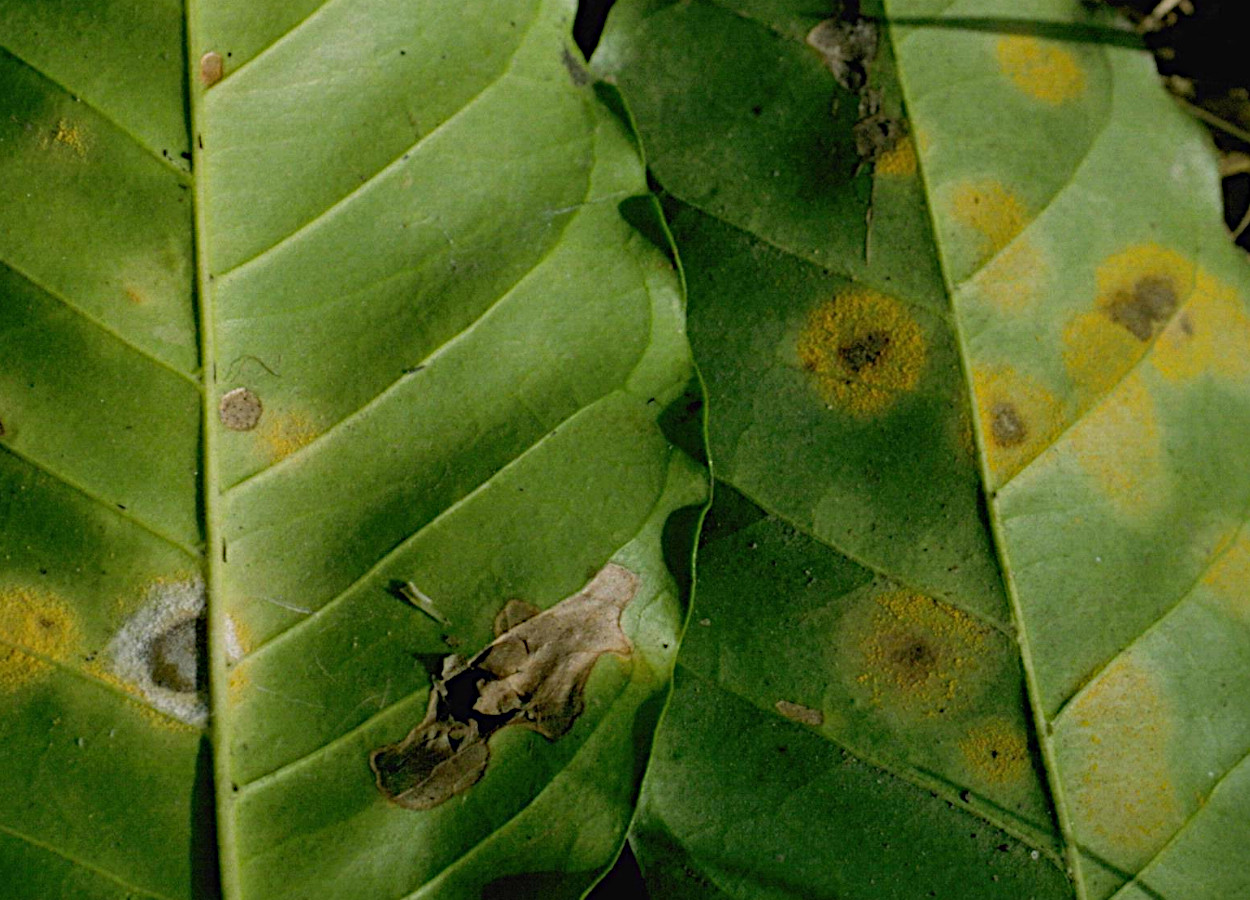
Researchers have identified 15 effector proteins from Hemileia vastatrix capable of suppressing pattern-triggered immunity, known as PTI. The study evaluated 44 candidates and also found five effectors capable of reducing effector-triggered immunity, called ETI. Three proteins acted on both plant defense mechanisms.
The team combined functional assays, analysis of gene expression during infection, and evaluation of protein localization within cells. The experiments utilized Nicotiana benthamiana and a Pseudomonas fluorescens-based effector delivery system.
Candidates HvEC_006, HvEC_053, and HvEC_081 suppressed PTI and ETI. According to the researchers, this behavior suggests action on regulatory components shared by both immune pathways. The molecular targets of these proteins remain unknown.
The 15 effectors capable of reducing PTI also favored the multiplication of Pseudomonas syringae on the leaves used in the assays. The bacterial population outnumbered the control by more than three orders of magnitude after 48 hours.
Gene expression showed sequential use of effectors during infection. Some exhibited greater activity in dormant or germinating urediniospores. Others reached higher expression during host penetration or in later stages of biotrophic colonization.
Cellular localization analysis revealed a concentration of six effectors in the nucleus. Three others accumulated in the chloroplasts. These compartments participate in processes related to the regulation of the plant immune response.
The results offer criteria for prioritizing effectors in studies on avirulence genes recognized by coffee SH resistance genes. The work also expands the understanding of the mechanisms used by Hemileia vastatrix to maintain colonization of living tissues (doi 10.1111/mpp.70341).
The study was carried out by Thiago Maia, Gustavo Marin-Ramirez, Maicon N. Araujo, Larissa G. Zanardo and Sérgio H. Brommonschenkel.
Receive the latest agriculture news by email


Receive the latest agriculture news by email