Delay in the second corn crop sustains the reaction of corn, assesses Itaú BBA.
Rainfall in April and May gains importance, while oil and soybeans support the recovery in prices.
01.04.2026 | 17:27 (UTC -3)
Despite the influence of the La Niña phenomenon, the soybean crop performed well in the 2025/26 season in part of C.Vale's operating area. In Paraná, producers in the warmer regions managed to plant well at the beginning of September, right at the opening of the zoning period for the crop.
In the initial phase, the plants benefited from the regular rainfall, but as the end of the year approached, the precipitation became more spaced out and sporadic. The effect on the crops translated into large variations in productivity. "We had yields of 80, 90 and even 100 sacks per hectare, but on average, the yield was between 65 and 70 sacks," reveals Fernando Taffarel Zanelato, supervisor of the Agronomic Department at C.Vale.
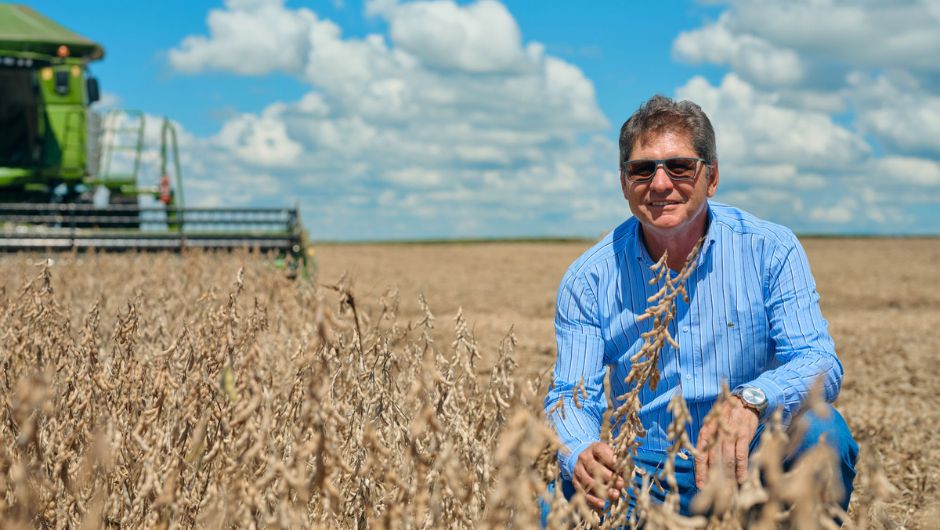
In Campo Mourão, in the central-west region of the state, Claudir Bernardi (pictured) cultivated 194 hectares with soybeans. The crop was hit by hail, and he had to replant 150 hectares. Throughout the cycle, Bernardi had to control stink bugs and made three fungicide applications. The average yield of the crop was 65 sacks/hectare.
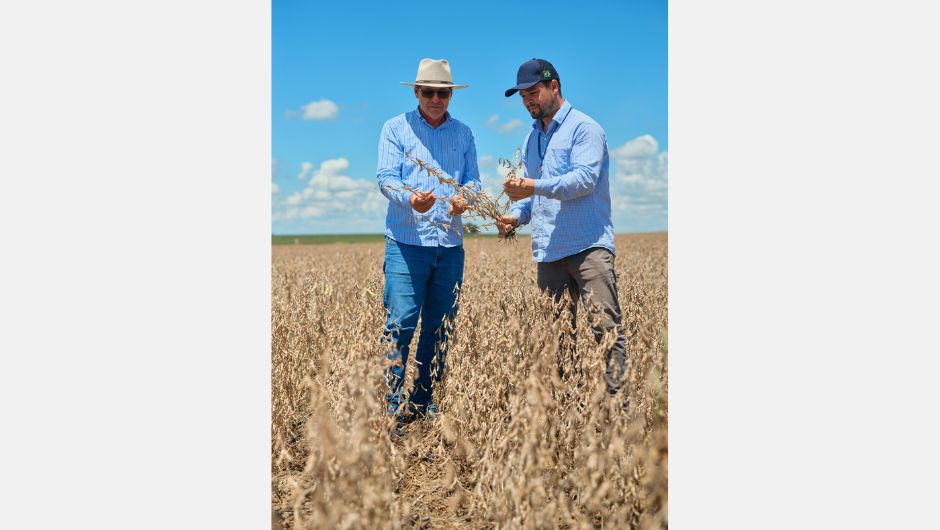
In Mato Grosso do Sul, the climate was one of contrasts. Areas in the southern half, below Campo Grande, suffered from droughts and high temperatures. Crops in the northern half, such as Chapadão do Sul, benefited from regular rainfall in significant volumes.
Producers in the state cultivated 4,7 million hectares with soybeans, and Conab projected an average yield of 52,8 sacks per hectare. Jeferson Salatti, regional manager for C.Vale in Mato Grosso do Sul, estimates that soybean productivity in the south of the state was approximately 40% higher than in the 2024/25 harvest.
In Brazil's largest grain-producing region, the weather was favorable until practically the end of the cycle. From February onwards, a period of heavy and prolonged rains damaged the quality and weight of Mato Grosso's soybeans. More susceptible varieties were affected by late-cycle diseases and lost yield. "The average productivity was lower than last season's precisely because of these rains," assesses Renato Rambo, C.Vale's regional manager for Mato Grosso.
In Rio Grande do Sul, the weather maintained the "tradition" of the last five years, and the drought once again devastated the crops. Areas of the Western Border region were the hardest hit. The rains returned in the second half of February and momentarily halted the losses. However, a new dry period extended from the end of February to the beginning of March.
Receive the latest agriculture news by email



Receive the latest agriculture news by email