Insecticide for seed treatment is Corteva’s highlight
The company brings its first seed treatment solution for the crop to the opening of the rice harvest
14.02.2023 | 17:08 (UTC -3)
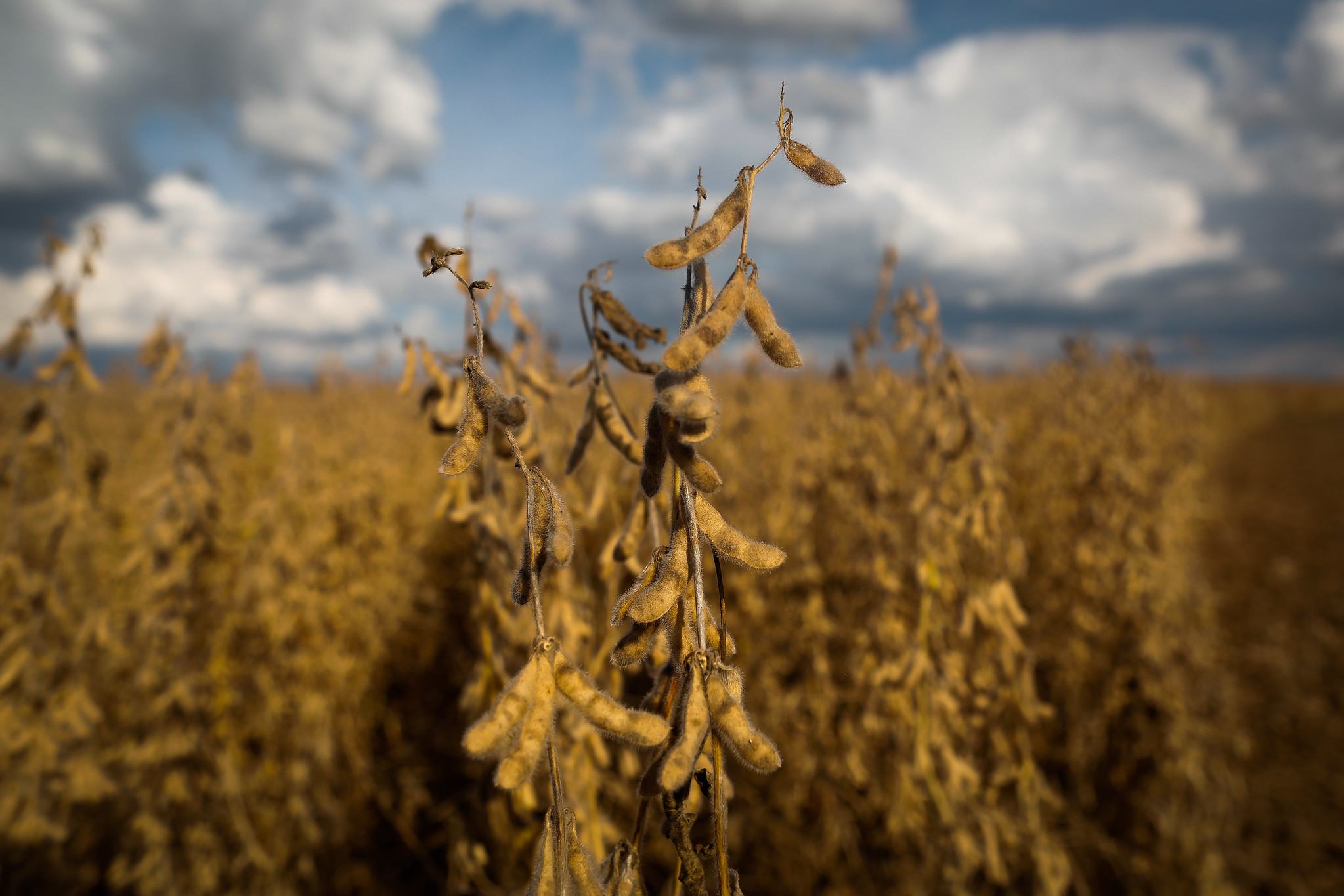
Soybean production is expected to break a record in the 2022/23 harvest with a harvest of 146 million tons, an increase of 12,14% or 16 million tons compared to the previous harvest. The projection was carried out by 4intelligence, a startup specialized in solutions that support decision-making based on data analysis and remote monitoring of agricultural areas.
The estimate is based on increased productivity and expansion of planted area. Soybeans are expected to register an increase in productivity of 7,2% and the area will increase by 4,6%, reaching 43 million hectares. The harvest is being marked by specific water stresses in the Center-West, due to irregular rainfall in the planting months and partial recovery of crops in the South, which suffered the effects of severe water restrictions caused by the La Niña phenomenon, in the 2021/22 harvest. .
Gains in relation to the previous harvest should be concentrated in the South, Southeast regions and in the state of Mato Grosso do Sul, a region affected by a lack of rain in November and December 2021, the planting period for the 21/22 soybean harvest. The 22/23 harvest will be a recovery, even if partial, for the states in the South region, and for Mato Grosso do Sul. Even with the persistence of the La Niña phenomenon in the last months of 2022, captured in 4intelligence projections through the remote monitoring of crops and the climate, productivity in Rio Grande do Sul's lands should increase by an average of 70,0% and by 32,3% in Paraná's crops.
In Mato Grosso and Goiás, the 2022/23 harvest should be regular, with productivity similar to the level recorded in recent years. The expectation is for an average productivity reduction of 7,7% in Mato Grosso and 2,8% in Goiás. In the southwest of Goiás, where the rains in October and November were below the historical standard, 4intelligence estimates that the average productivity in the city of Rio Verde, for example, reaches 53,5 bags per hectare. On the other hand, in Sorriso, north-central Mato Grosso, where it rained the most, it should be possible to harvest 61,1 bags per hectare.
Using satellite images, 4intelligence remotely monitors soybean-producing regions, generates georeferenced climate data and monitors the development of crops, from planting to harvest.
Around 950 municipalities are monitored, a total of 34,3 million hectares of soybean cultivation area. “With this data and predictive models, we were able to quantify the impact of climate adversities on the 2022/23 soybean harvest, in each municipality”, reinforces Juan Jensen, Chairman of 4intelligence.
Receive the latest agriculture news by email


Receive the latest agriculture news by email