






CNH faces challenges in the 3rd Quarter of 2024
Net income for the quarter was $310 million, down 43% from $540 million in 2023
07.11.2024 | 20:21 (UTC -3)
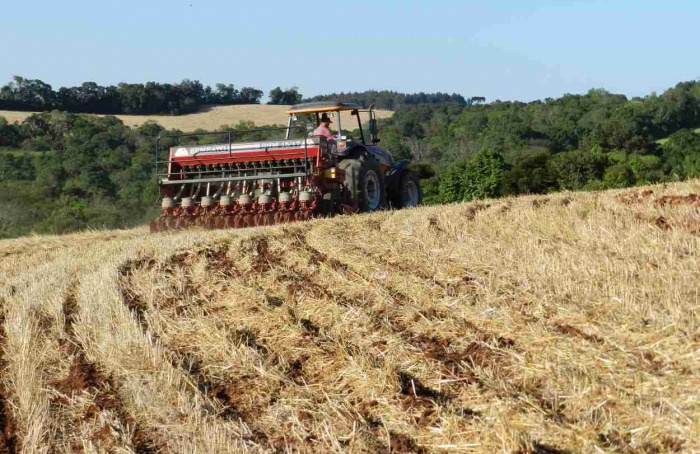
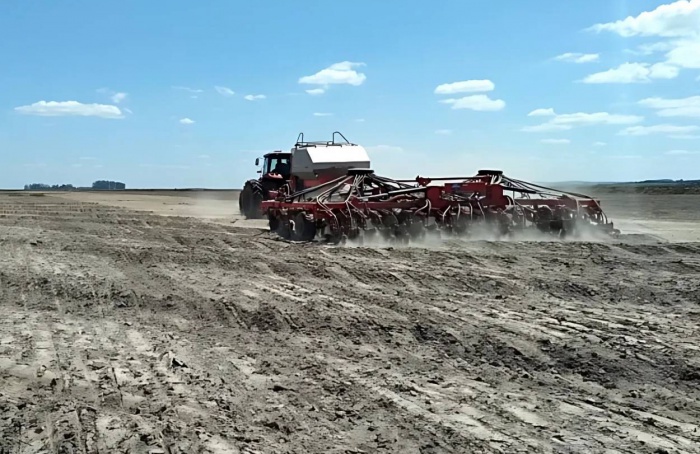
Data from the Mato Grosso Institute of Agricultural Economics (Imea) indicate that soybean planting in Mato Grosso, which was delayed until the end of the second half of October, was accelerated thanks to the intense work of producers, who, in just one week, expanded the planted area in the state from 8,8% to more than 25%. This progress reflects the concern about the window for corn in the next harvest, since a late planting of soybeans could compromise corn by pushing it into a window of lower productivity in March, removing large areas from the recommendation of the Agricultural Zoning of Climatic Risk (Zarc) and, consequently, from insurance coverage in the event of a loss.
The rapid growth of planting, although positive for reducing risks to corn, raises concerns due to the impact of the La Niña phenomenon, which should favor periods of high humidity in all regions of the state. According to forecasts from the National Oceanic and Atmospheric Administration (NOAA), large volumes of rain are expected in January and February of next year, critical months for the harvest of the oilseed. This scenario raises a red flag for producers, who may face challenges similar to the 2020/21 cycle, when severe weather conditions hampered the harvest in several regions of the state.
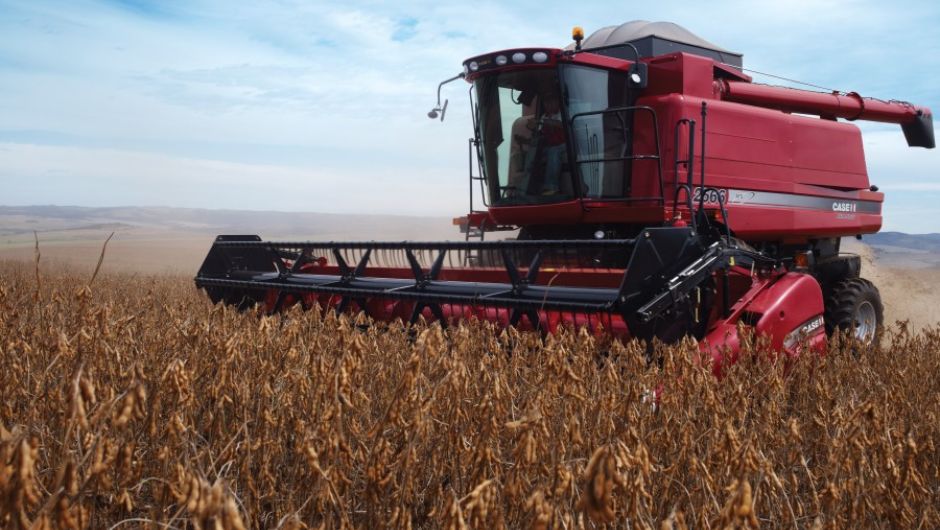
According to a study by Imea, between the second half of October and the first week of November, producers in Mato Grosso are expected to concentrate more than 83% of the sowing, surpassing the planting speed record of the 2020/21 harvest, which had 80% of the area planted in the same period. However, the forecast of heavy rains for the harvest means that both harvests present a critical parallel, with the expectation that half of the total area will be harvested in just three weeks, between the second half of February and the beginning of March.
“The chaotic scenario of 2020 is an alarming precedent. At that time, entire crops were lost in the field, lines formed at traders and cereal producers, and loads rotted in trucks. In addition, quality discounts applied by buyers, some of them without contractual transparency, reached 90% in extreme cases,” says the administrative director of Aprosoja-MT, Diego Bertuol.
In view of this reality, Aprosoja-MT warns traders about the importance of planning ahead and investing in receiving capacity, including extending shifts to ensure a smooth process, preventing the hard work of producers from being lost due to bottlenecks at this stage. The entity also advises its members to take precautions and be aware of quality discounts applied by buyers, reinforcing that, if necessary, producers can resort to the Legal Classification Program, which provides mediators authorized by the Ministry of Agriculture (Mapa) free of charge.
Receive the latest agriculture news by email



Receive the latest agriculture news by email