Inmet: weather forecast for Thursday (27) and Friday (28)
Unstable weather is expected in the Southeast and South regions, while temperatures rise across much of the country.
26.08.2026 | 16:51 (UTC -3)
Wheat supply is expected to face increased pressure in the Brazilian market during the 2026/2027 harvest, due to a combination of climatic and geopolitical factors affecting production and international prices. With a significant drop in national production anticipated, the São Paulo Wheat Industry Union (Sindustrigo) warns of increased import needs and higher raw material costs for the industry.
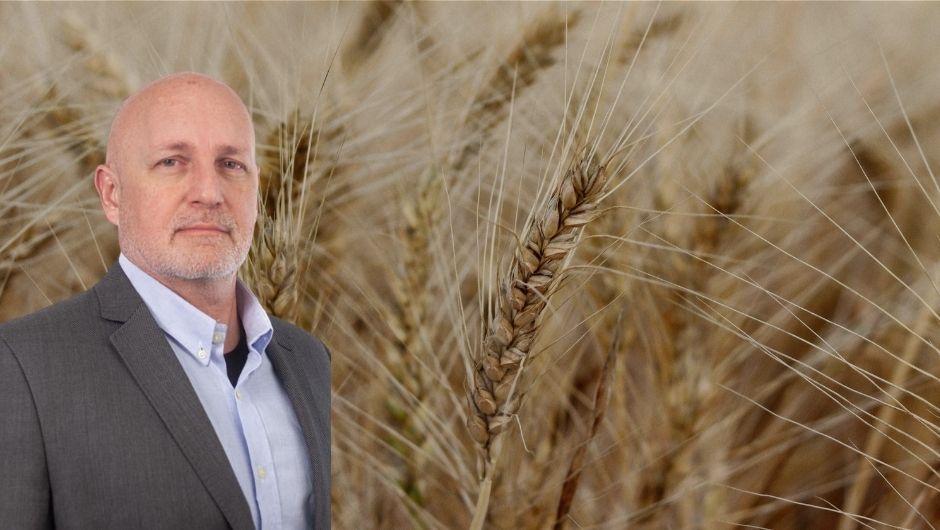
“We have a combination of factors that demands attention from the entire wheat chain. The reduction in Brazilian production is occurring precisely at a time of greater instability in the international market, with impacts on prices, logistics, and the availability of the cereal. This scenario increases the pressure on the industry and reinforces the importance of closely monitoring the evolution of supply,” explains the president of Sindustrigo, Max Piermartiri (pictured).
As highlighted in the 11th Crop Survey for 2026/2027 by the National Supply Company (Conab), Brazilian production is estimated at 5,8 million tons, a 26% decrease compared to the previous season, equivalent to approximately 2 million tons. The planted area also decreased by 20,4%, to 1,92 million hectares, the lowest level recorded since 2020.
In the international market, as Max details, the war in the Black Sea has caused new impacts on wheat logistics, while the climatic conditions associated with El Niño add uncertainties to the supply. The United States National Oceanic and Atmospheric Administration (NOAA) confirmed that the temperature anomaly in the region constitutes a strong El Niño. According to the consulting firm StoneX, there is a high probability that the phenomenon will be among the strongest ever recorded, with its peak predicted for the end of 2026.
“For wheat, excessive rainfall in southern South America is one of the main points of concern. In Argentina, an important supplier of the cereal to the Brazilian market, there are already reports of a drop in wheat quality. The United States Department of Agriculture (USDA) forecasts a 19% reduction in Argentine exports in the 2026/2027 cycle,” he emphasizes, pointing out that the lower availability of high-quality industrial wheat, essential for breadmaking, may lead buyers to seek alternatives in more distant markets with higher costs.
In Brazil, the first harvests in Paraná are already showing concerns related to the occurrence of diseases and adverse weather conditions, mainly excessive rainfall. In Rio Grande do Sul, although the crops are not yet in the final stage of their cycle, excessive rainfall is already harming their development. These weather conditions can affect both the productivity and the industrial quality of the grains.
“The concern is not only about the volume produced, but also about the quality of the wheat that will be available to the industry. Weather conditions have a direct impact on crops and can compromise important characteristics of the grain. Therefore, the situation needs to be monitored considering both the supply and the quality of the raw material,” the president points out.
The projected reduction in the Brazilian harvest is expected to increase the need for imports to meet domestic demand, estimated at more than 13 million tons. "In a context of a strong dollar and rising international prices, the pressure on costs tends to affect the entire supply chain," he emphasizes.
It is worth noting that wheat prices in the Brazilian market follow the volatility observed in the Chicago and Kansas exchanges, which are benchmarks for the international market. With lower domestic supply, greater dependence on imports, and a more pressured external environment, raw material costs become more relevant for the milling industry.
"This scenario could also impact the prices of wheat-derived products, such as bread, pasta, and biscuits, given the need to pass on some of the costs along the supply chain to the final consumer," he warns.
Receive the latest agriculture news by email



Receive the latest agriculture news by email