Mechanism can protect tomatoes against heat
Brown University study reveals critical phase and molecular mechanisms for high temperature tolerance
10.11.2024 | 16:32 (UTC -3)
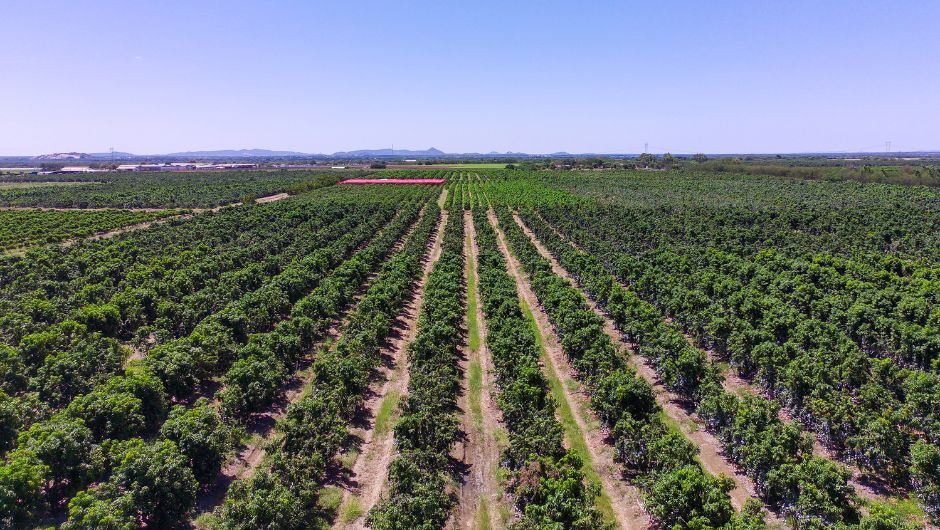
Six species of scale insects were recorded for the first time in the Sub-Middle São Francisco Valley, the most important tropical fruit production zone in the country, located in the semiarid region. The pests were found in mango and grape orchards, causing direct damage to the fruits and compromising their quality and plant development.
According to Embrapa Semiárido researcher Tiago Cardoso da Costa Lima, correctly identifying the species that cause damage to crops is the basis for integrated pest management. “Based on this information, we can learn more about the biology of the insect and what control measures we can adopt. Embrapa Semiárido has been working constantly to help producers monitor these pests,” he highlights.
The researcher explains that scale insects can cause the skin of fruits to become depigmented and, even when dead, they remain attached to the surface, damaging their appearance. “Therefore, it is important that producers monitor these scale insects carefully during the vegetative phase, preventing population growth and subsequent migration to the fruits,” he emphasizes.
The first reports of problems caused by these pests were made by mango producers between 2021 and 2022, who reported damage to leaves and fruits to Embrapa. In 2023, it was grape producers' turn to report scale infestation on the trunks of vines, even causing the death of plants.
In response, Embrapa Semiárido conducted a survey on different farms in the municipalities of Petrolina (PE), Belém de São Francisco (PE) and Curaçá (BA) to collect a sample of these insects. The material was sent to the State Center for Agronomic Research (Ceagro) of Rio Grande do Sul, where it was identified by taxonomist Vera Wolff. The results were published in an article in the International Journal of Tropical Insect Science.
Two species have been identified in grapevines. The first, which attacks the trunks of the plant, is Melanaspis arnaldoi, restricted to Brazil, with previous records in the Southeast and South regions. This pest entails higher management costs, as producers have adopted the practice of removing the bark from the trunks and then spraying.
The second was Aonidiella orientalis, which infests leaves, petioles, internodes and berries. The species is widely distributed throughout the world and has a wide range of host plants, being known as a pest of citrus, papaya and mango.
Four new species have been identified in the region in mango trees: Mycetaspis personata, Aonidiella comperei, Chrysomphalus aonidum e Hemiberlesia lataniae. The first three were observed in leaves and fruits and the last one only in leaves. The A. I bought it It was the only species that had not yet been recorded in mango cultivation in any country.
Scale insects, also known as mealybugs, are sucking insects that belong to the Diaspididae family. They only move during their initial development phase, as soon as they hatch from the egg. After that, they attach themselves to the plant and begin feeding.
Females develop a shield over their bodies – which gives rise to the common name of this group of insects. The presence of this structure guarantees greater protection against natural enemies and also makes it difficult to control these pests with insecticides. The eggs are also positioned under the shield until new nymphs hatch, which will migrate to other parts of the plant. The adult male, on the other hand, is more similar to the insects we usually know, with the presence of wings.
According to taxonomist Vera Wolff, these insects are important, especially in the agricultural sector, when there is a large infestation in certain plants of interest. “They can cause injuries, from problems in the leaves, sucking the sap, also causing deformations in the fruits and even the death of some plants. So, when they are in a large population, they need to be controlled, and to do so it is necessary to know what species it is,” she explains.
Wolff also highlights that the identified insects are also sent to the Professor Ramiro Gomes Costa Entomology Museum, where there is a database of scale insects that occur in Brazil on different hosts, with information on the geographic distribution of each of these species. “This is also important knowledge to understand the biodiversity of our Brazilian fauna,” he emphasizes.
In 2022, Embrapa Semiárido and partner institutions also recorded other species of scale insects that had not previously been reported on mango trees in the Submiddle São Francisco Valley. They were: a scale insect (Pseudischnaspis bowreyi) and two wax scales (Ceroplastes floridensis e Ceroplastes stellifer). The results were also published in International Journal of Tropical Insect Science.
“This demonstrates the growing importance of this group of insects in the region,” highlights researcher Tiago Costa Lima. In this sense, projects are being developed to evaluate better strategies for controlling these pests.
Receive the latest agriculture news by email


Receive the latest agriculture news by email