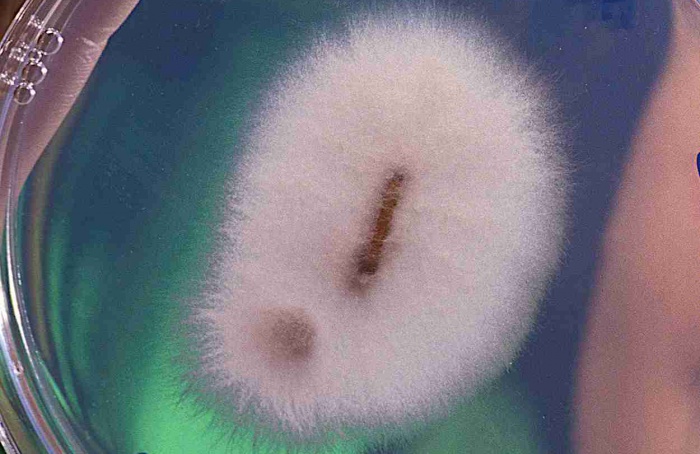






Lycorine affects detoxification in Spodoptera litura
Alkaloid represses CYP6AE genes, reduces P450 activity, and increases larval mortality
21.06.2026 | 16:27 (UTC -3)
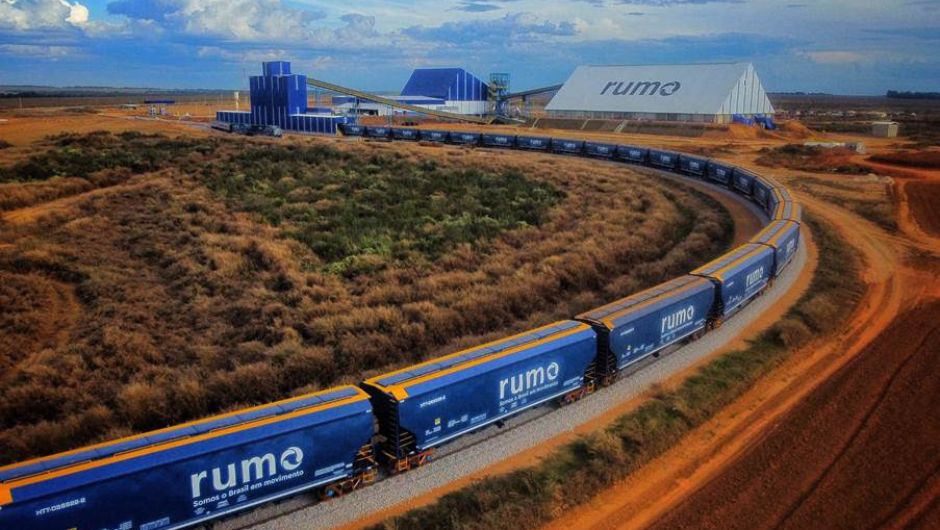
Rumo put into operation the first 162 kilometers of the Mato Grosso Railway (FMT), in a ceremony held last Saturday (20), in Dom Aquino (MT). The delivered stage also includes a new road-rail terminal on BR-070 and represents an investment of over R$ 5 billion.
Considered the first railway in the country implemented under the state authorization model, the FMT (Territorial Railway of Mato Grosso) is part of the New PAC (Growth Acceleration Program) and is currently the largest railway project underway in Brazil. The inaugurated section connects the Rondonópolis Terminal to the new Dom Aquino terminal, expanding the logistical capacity for the flow of Mato Grosso's agricultural production destined for the Port of Santos.
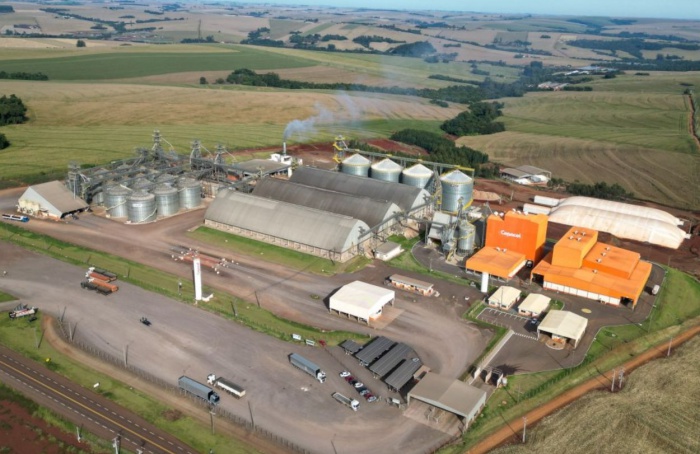
The BR-070 terminal was designed to handle up to 10 million tons of grain per year. Located on a 200-hectare site, the complex has the capacity to unload up to 35 trucks per hour, load up to 16 railcars per hour, and store up to 42 tons of grain. The facility also includes parking for up to 250 trucks and support areas for drivers.
The handover ceremony brought together federal and state authorities, including the Vice President of the Republic, Geraldo Alckmin, as well as representatives from the productive sector. According to Rumo, the new infrastructure brings the railways closer to the producing regions and expands the cargo transport capacity in one of the country's main agricultural hubs.
When completed, the Mato Grosso Railway will be over 700 kilometers long, connecting Rondonópolis to Lucas do Rio Verde and passing through 16 municipalities. The project also includes a branch line to Cuiabá. The aim is to expand the state's logistical integration and meet the growth in agricultural production in the coming decades.
The railway is considered a strategic project for agribusiness in Mato Grosso, especially for the transport of grains, fertilizers and other inputs, contributing to the reduction of logistics costs and the increase in the competitiveness of Brazilian exports.
Receive the latest agriculture news by email



Receive the latest agriculture news by email