Corteva releases results for the second quarter of 2026
The company forecasts operating EBITDA of up to US$4,3 billion in 2026 and maintains its separation plan for October
30.07.2026 | 18:12 (UTC -3)
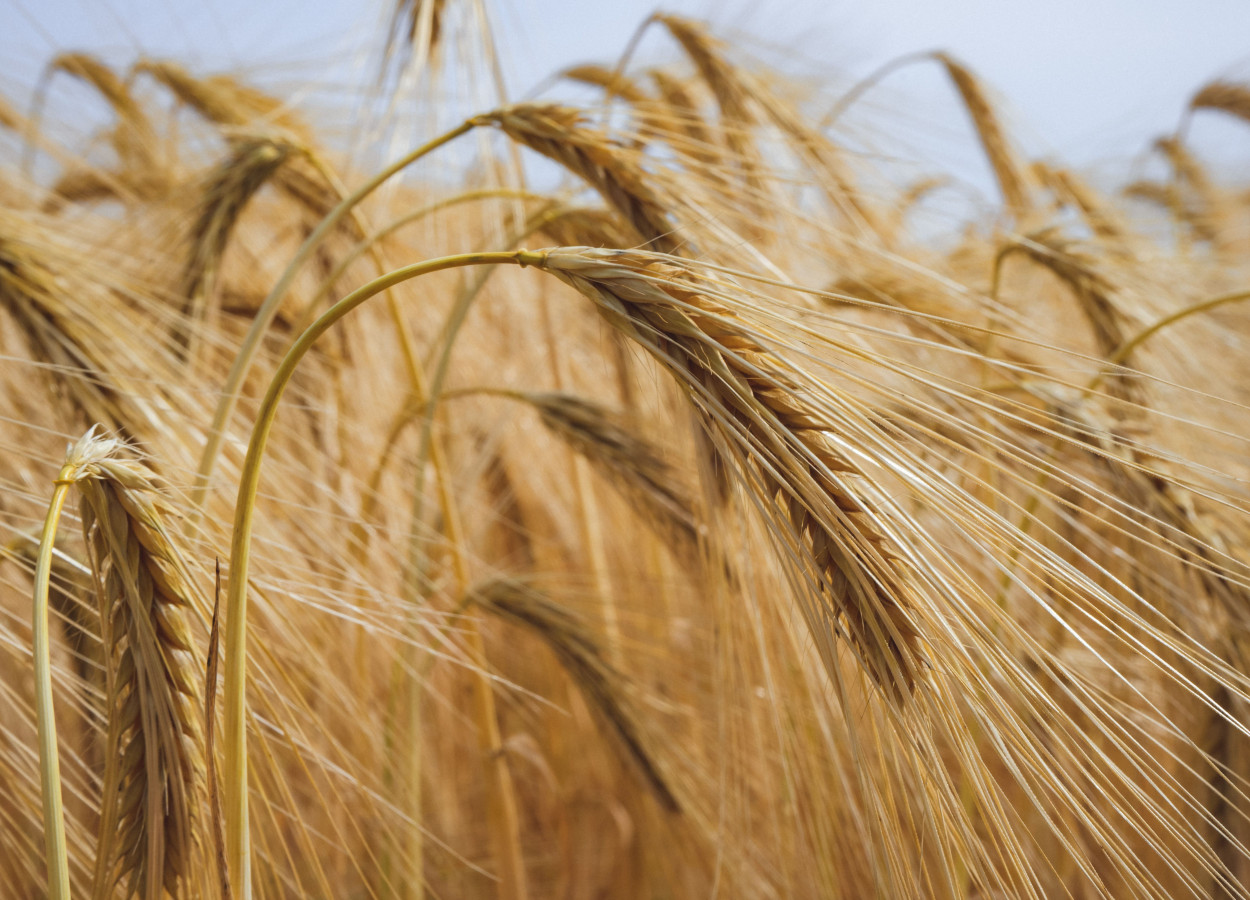
Rhizobacteria associated with wheat reduced root rot caused by Bipolaris sorokiniana and stimulated plant growth in greenhouse trials. Efficiency varied according to the bacterial strain and wheat cultivar (DOI 10.1111/jph.70350).
Researchers collected soil samples from wheat rhizospheres in different provinces of Iran. The work resulted in the isolation of 640 bacteria. A screening in double culture identified 17 strains with fungal growth inhibition between 60% and approximately 96%.
Five isolates showed the greatest potential: BAW2R35, GFW16R5, EW17R5, KBW9R1, and MFW14R3. Biochemical analyses and 16S ribosomal RNA sequencing identified three isolates of Bacillus spp., one of Pseudomonas aeruginosa, and one of Pseudomonas chlororaphis.
The trials involved the Iranian cultivars Azadi and Sirvan, with seed bacterization and pathogen inoculation. Pseudomonas chlororaphis showed the highest control efficiency in Sirvan, with 47%. The Bacillus sp. isolate GFW16R5 achieved 43% control in Azadi.
These five selected strains also exhibited characteristics related to nitrogen fixation, phosphate solubilization, production of antifungal metabolites, and activity of extracellular enzymes.
Pseudomonas chlororaphis promoted the greatest increases in foliar antioxidant defenses and soluble proteins. Upon co-inoculation with the pathogen, the increases reached 13% for superoxide dismutase, 22,19% for peroxidase, 28,43% for catalase, and 25% for proteins.
The results indicate the potential of native rhizobacteria in managing the disease. The researchers recommend field validation and testing with microbial consortia.
Receive the latest agriculture news by email



Receive the latest agriculture news by email